
10 Questions With Founder of Sustainable Fashion Week: Amelia Twine
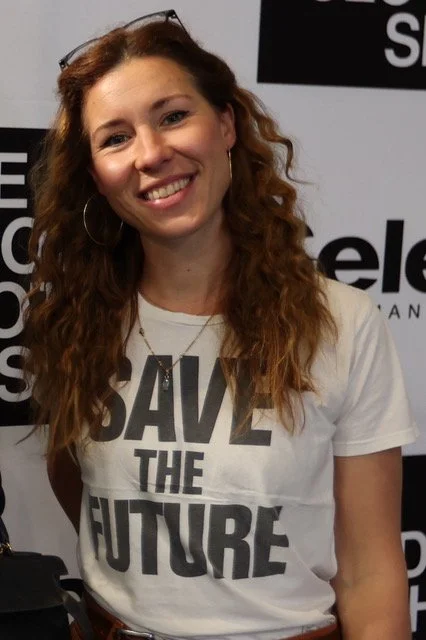
They say that if you truly understand something, you should be able to explain it in a single sentence. And Single Thread founder and the driving force behind Sustainable Fashion Week, Amelia Twine, can do exactly that":
“When you strip away the complexity, sustainable fashion starts with one thing: keeping clothing in use.”
That line there is a wisdom that has been hard-won from years working in the sustainability sector, and now drives much of Amelia’s work. She’s spent years challenging the industry’s obsession with “new” and championing a slower, smarter way of dressing. Whether she’s talking about secondhand style, visible mending, or why your favourite old linen dress deserves a second life, her message is refreshingly simple: the most sustainable clothes are the ones already in your wardrobe. We caught up with her to talk origin stories, #MendItMay, and why the future of fashion might just start with a needle and thread.
1. You’re the founder of Sustainable Fashion Week and also lead A Single Thread, the organisation behind it. How did you get here? What’s your origin story?
I grew up on an organic farm, then spent about a decade working in sustainable hospitality and food systems. In 2018, I moved into sustainable fashion without a fashion background. I saw the scale of damage caused by the industry, its alarming growth projections, and how far behind it was on change and I wanted to do something about it.
Everything starts with the soil, so I saw clear parallels between food and fashion. The industry has progressed since then, but production volumes are still so high that any improvements are undermined by the sheer scale of excess.
2. If you could sum up your approach to sustainable fashion in one sentence, what would it be?
When you strip away the complexity, sustainable fashion starts with one thing: keeping clothing in use.
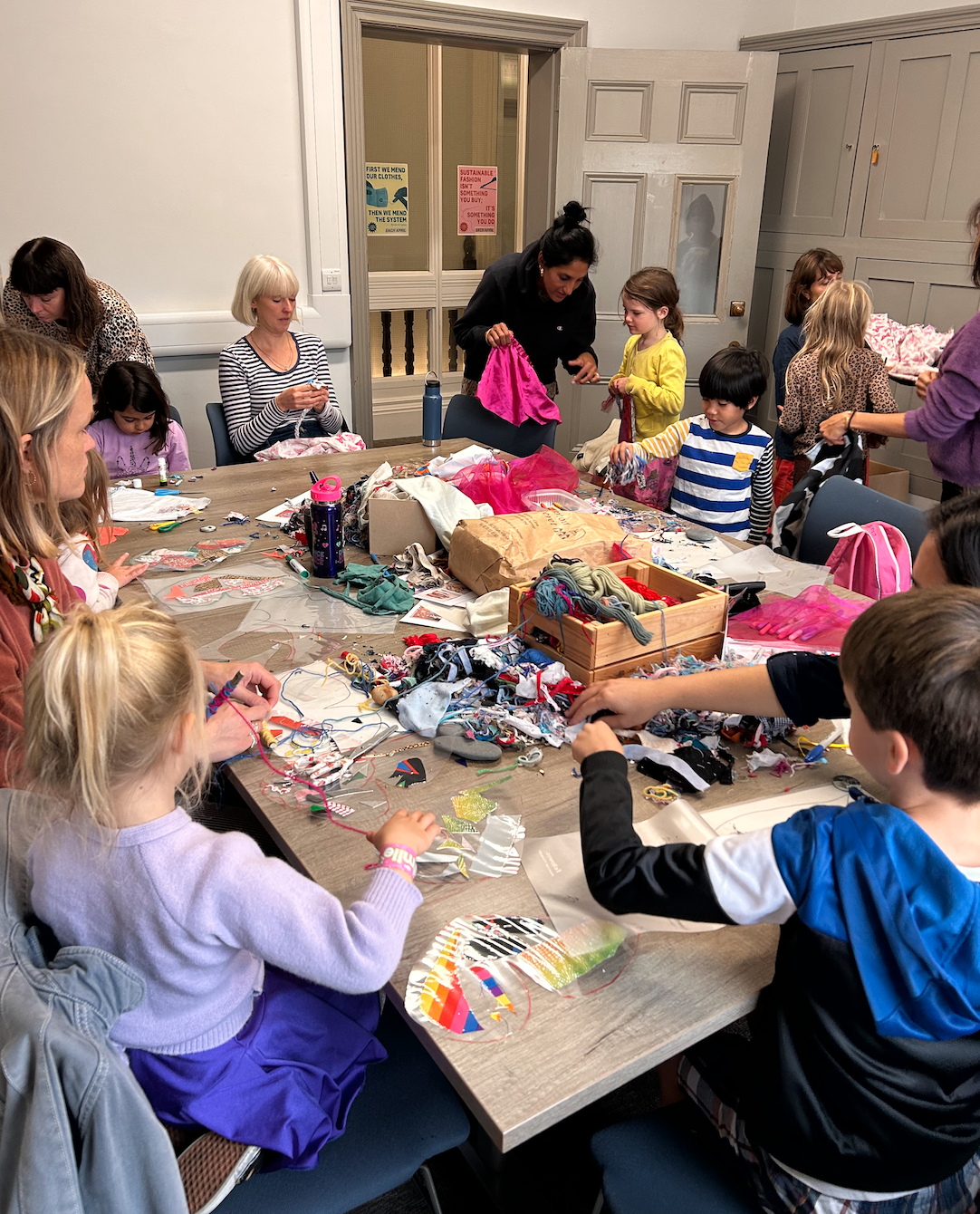
Photography by Claire Orpin. Frome Hub
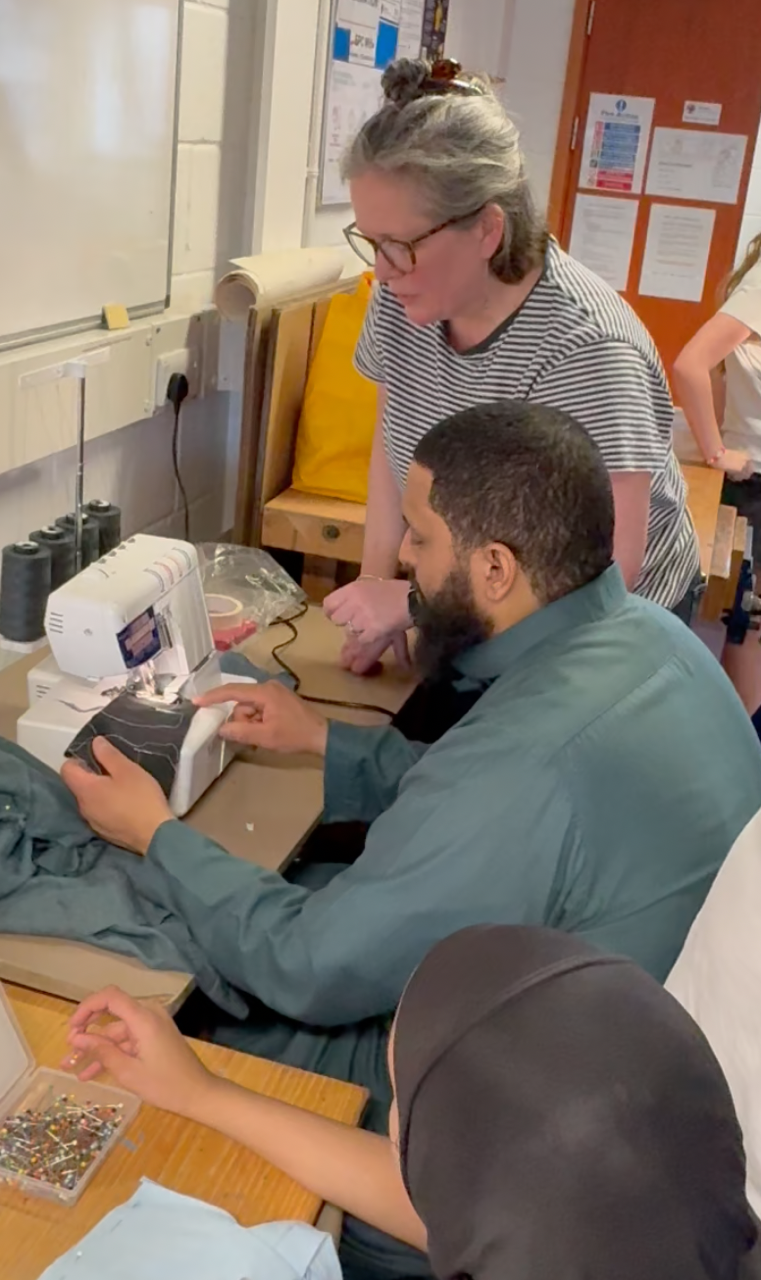
3. #MendItMay is about encouraging people to mend one item of clothing. For people who don’t know how to sew, how do you recommend they get going?
Sewing can feel daunting, especially as only around two-thirds of people in the UK have been taught how. A good place to start is YouTube or Instagram, where there are plenty of free, simple tutorials. A basic sewing kit is inexpensive and easy to find.
From there, it’s about giving it a go and not worrying about perfection. Mending is incredibly satisfying and even has proven mental health benefits. People who learn as they go are often surprised by what they can fix, create, or repurpose. It also builds a deeper connection to your clothes - once you’ve cared for something, it becomes far more valuable to you.
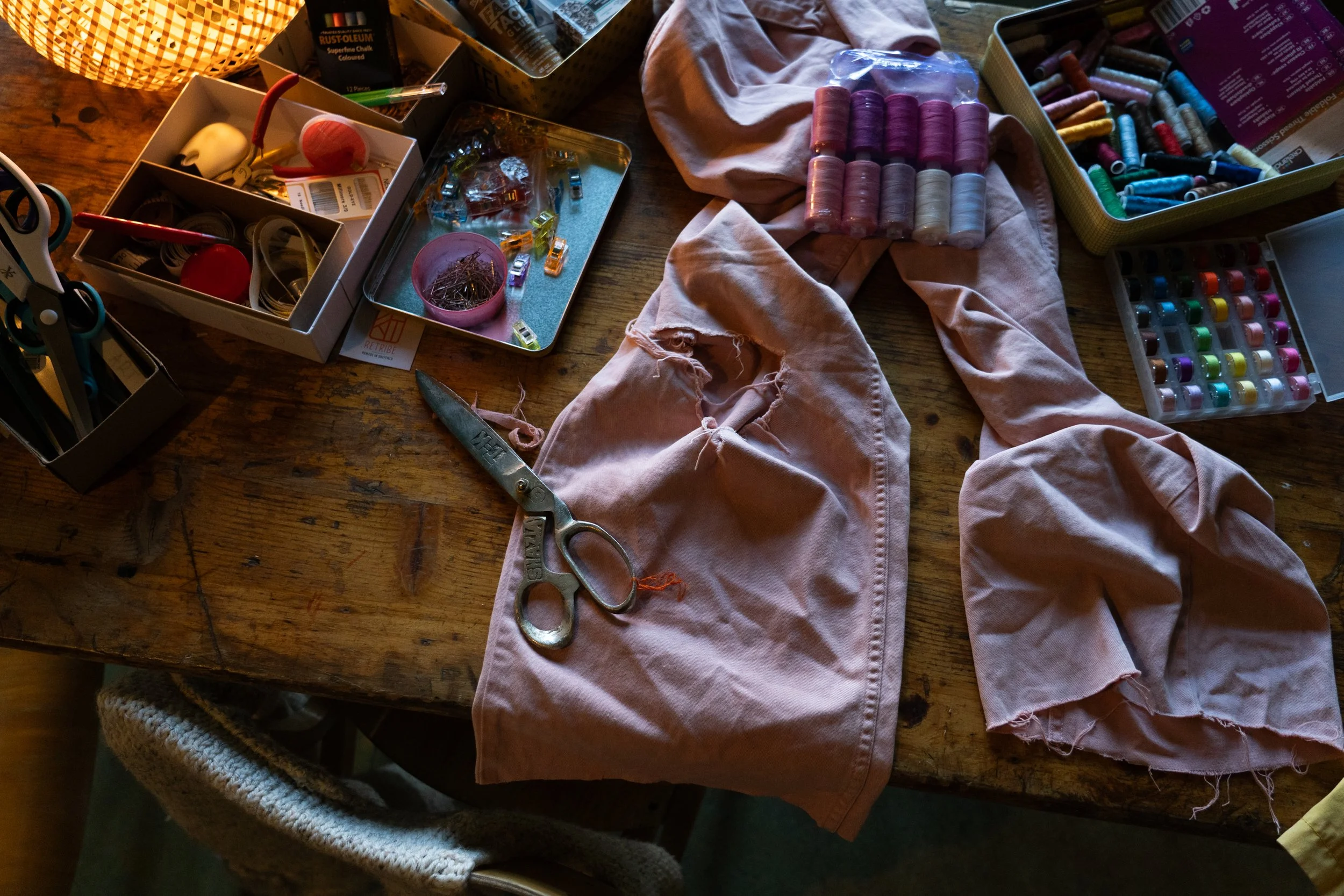
Photography by Grace Roberts. Falmouth Hub
4. What’s the most-loved (or most-repaired!) item in your own wardrobe right now?
I’m currently working on a cream linen dress I never wear, it’s a beautiful vintage smock. I’ve started embroidering it with free-flowing designs as I practise my skills.
It’s not traditional mending, but it’s helping me become more creative in how I repair clothes. I’ve been hugely inspired by the mends people share through our Mend It May campaign, especially patches, and I’m excited to build on that.
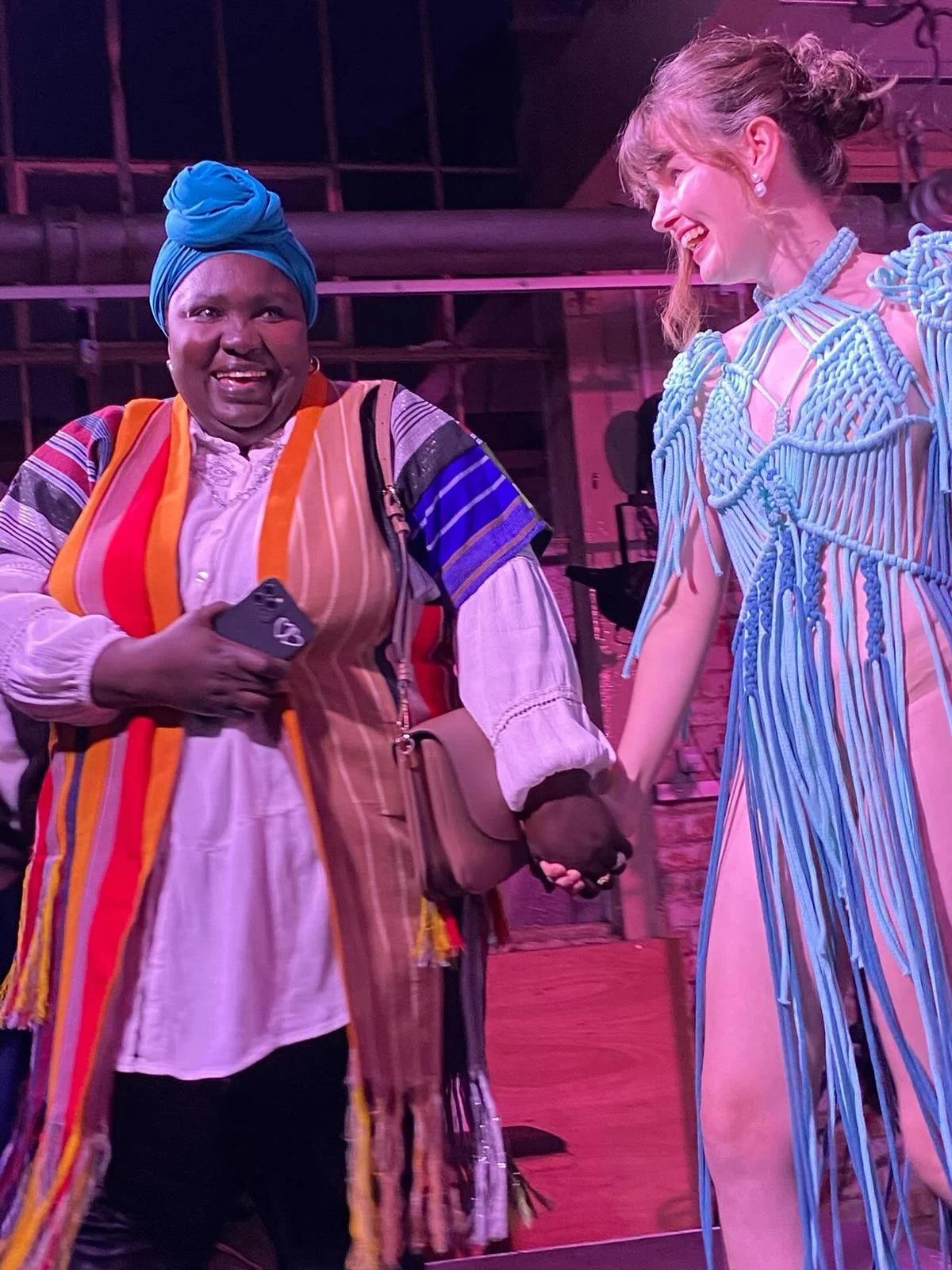
Masading Designs. Birmingham Hub
5. Sites like Vinted - rate them or hate them? Do they have a place in the sustainability conversation?
Rate, definitely! Nothing is perfect, and online shopping has drawbacks, but I buy almost everything for myself and my kids on Vinted. Occasionally I’ll buy organic cotton basics or a statement piece from strong sustainable brands like Yes Friends or Indilisi, but otherwise it’s secondhand.
6. If someone wants to be more sustainable but feels overwhelmed, what’s the one thing they should start with?
Start with secondhand, we strongly advocate for it. The British Fashion Council has said there’s already enough clothing on the planet to dress the next six generations. Alongside that, mend what you have.
If you are buying new, choose the most sustainable option available. The Good On You app is a great tool - stick to brands rated “Good” or “Great.” Our upcoming #BottomUp campaign also encourages starting with better basics, investing in high-quality essentials as an accessible entry point and a way to avoid harmful synthetic fibres.
7. You say that real progress comes from systemic change and collective action. What does that look like?
Fashion is highly polluting, but profits mean brands lack real incentive to transform supply chains. So change has to be systemic and collective.
While pushing for policy, regulation, and accountability at the top, we also need grassroots action. That means communities sharing skills, resources, and knowledge to reduce reliance on new clothing.
We support local hubs across the country where people can swap, mend, borrow, learn skills, buy from local makers, and engage with fashion differently. That, to me, is what sustainable fashion truly looks like.
8. How would you sum up the fashion industry now?
Broken, self-serving, and harmful to people and to the natural systems we depend on. Unlike food, heating, or transport, fashion isn’t a necessity at current production levels. We simply don’t need more new clothing, unless it’s genuinely low-impact, regenerative, and supports communities and craft.
9. Young people are central to your work. What is that generation getting right?
They’re embracing secondhand fashion in a way that’s dramatically different from previous generations. Attitudes have shifted hugely.
We focus on people aged 18–30 because this is when habits form. If mending and conscious consumption start early, they become second nature and much harder to switch off later.
10. How does the fashion world impact the climate? How do these worlds intersect?
Every industry exists within the limits of planetary health. We often treat issues like economics, politics, and climate as separate, but they’re all rooted in nature’s ability to stay in balance.
The concept of planetary boundaries defines a “safe operating space” for humanity. Fashion interacts with several of these (land use, freshwater systems, biodiversity) and contributes to pushing them beyond safe limits.
To bring fashion back into balance, we need to address production volumes, toxic materials, agricultural practices, manufacturing processes, and worker exploitation.
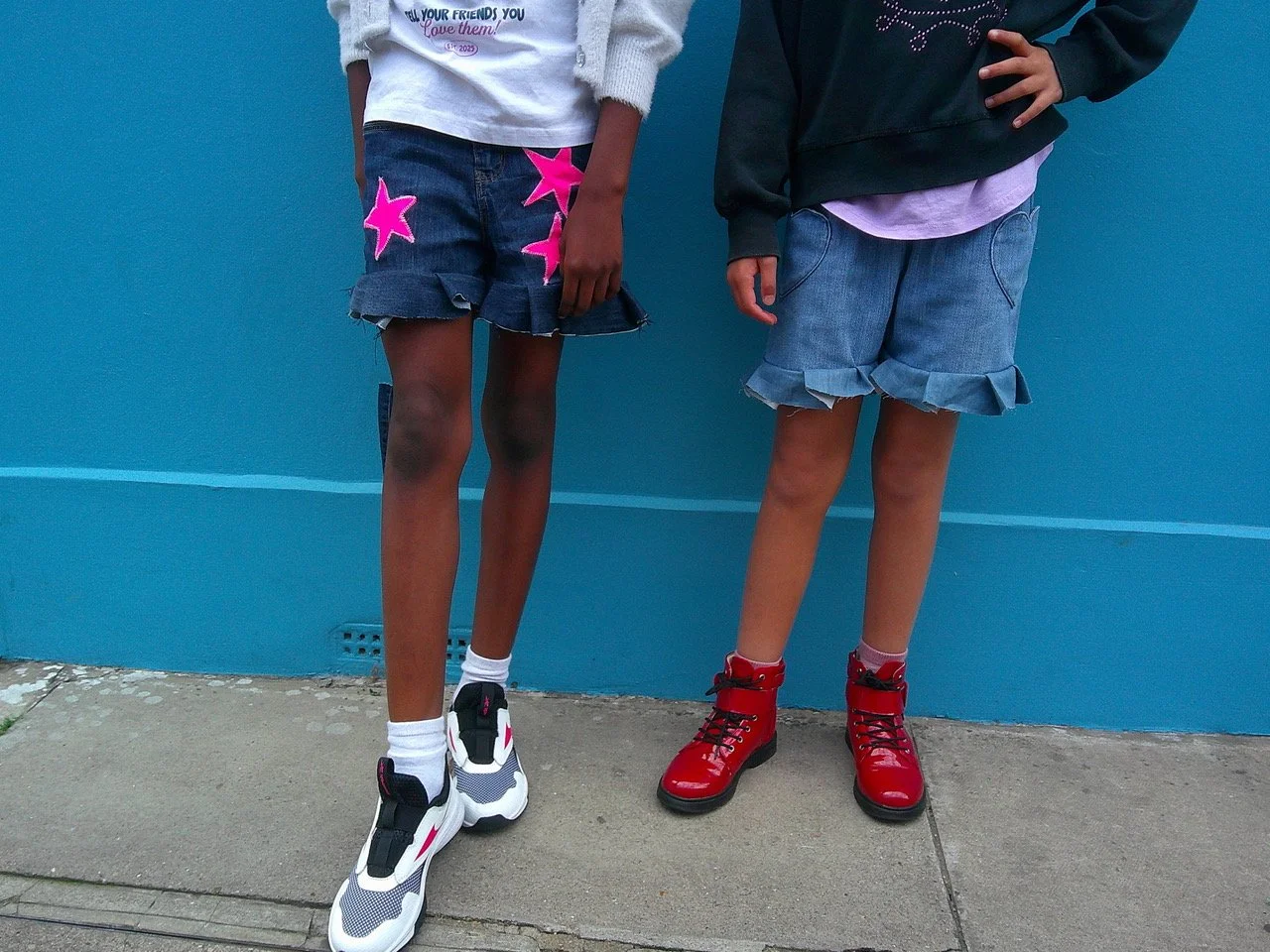
Chelsea Hub
Interview by magazine founder, Jessica Blackwell
Find out more about Sustainable Fashion Week