Review: JOHNNYSWIM - "When The War is Over"
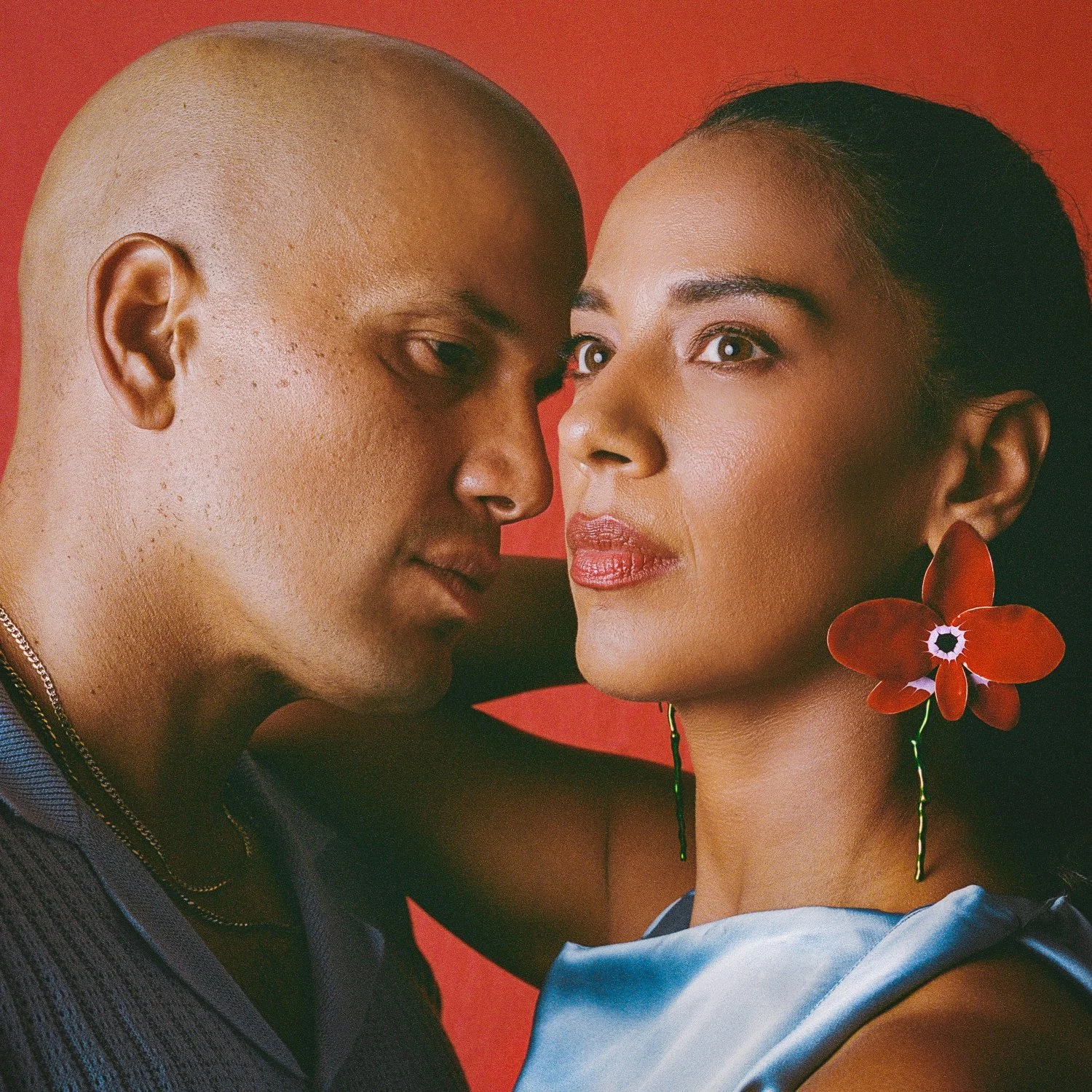
Image credit: Amy Waters
Almost two decades on, a marriage and four studio albums, the LA based duo JOHNNYSWIM complete the pentalogy with the raw and recently released album, When the War is Over, providing an insight into their individual feuds with self discovery, heritage, emotional and health challenges.
“This album came from one of the most challenging seasons of our lives. When The War Is Over felt like the right title because, for a long time, it felt like we were in a battle—physically, emotionally, and mentally.”
From start to finish, Abner and Amanda Sudano Ramirez express a variety of relatable and meaningful experiences, inviting us in the room metaphorically but effectively through their unrefined, modest and true studio recordings.
Throughout this vulnerable collection of songs, they both explore the perspective on oneself, a patient and winding process of reflection and realisation. An album filled with heartfelt tracks stitched together like a scrap book, each page an ornate tapestry.
The opening track Alchemy sets the tone for transformation and introspection. We begin the album with otherworldly metaphors showing the musicians’ deep and spiritual connection with each other. All the instrumental components, voices, and harmonies are naturally showcased, Abner speaks of the creative process, sharing:
“I remember listening to isolated tracks of an old Marvin Gaye album and hearing people talking and laughing, glasses hitting tables, folks getting yelled at. Just messy beauty behind songs that will live forever”
Dopamine is next, spoken word rapper Tobe Nwigwe starts off, again, raw. Lyrics splayed over an acoustic breakbeat, tongue twisting, simile slithering through sentiments of conflicts, reputation and his rise to success. JONNYSWIM follow on the narrations relating the ups and downs of life over aptly sliding piano scales, dipping and diving harmoniously. A rallying call, outlining needs of dopamine and clarity.
Next the duo pair their rich harmonies on Monte Carlo – speaking of richness in escapism and luxury. Eyes closed, they transport you to the long road in the dusk of the evening, a therapeutic, calmly paced electronic composition, which trails out on gentle tremolo guitar notes.
On Psilocybin they diver deeper, covering altered states of reality induced by mental illness, as well as self discovery. They showcase their journey in their relationship, synchronising their changes and development. Instrumentally, piano, guitar and violins help paint the picture of the pair ballroom dancing, gliding through an expanding hall of shared experiences and traumas.
Abner Ramirez ballads through the autobiographical track ‘I’m Alright’ next. Starting with a tribute to his parent and ode to his Cuban heritage. He chants the song’s title in the chorus – enforced by a gospel choir, fostering positive belief and self reliance. He speaks of challenges as unpredictable but appreciates the ‘fun of it’. Speaking in Cuban, Abner encapsulates his parents journey, the words translated:
“I bring history with me
My struggles like a flag
Buried in my island is my heart
But I bring fire with me
I bring fire with me”
The guitarist/vocalist continues on with ‘Cuando Salí de Cuba’ – a cover of the late Luis Aguilé’s ballad, a story of leaving the heart behind in Cuba, the subtle ode to his parents following on. The song explains the exile of leaving a country that you call home. We revisit the metaphor of burying one’s heart there. He repeats the phrase "dejé enterrado mi corazón" (I left my heart buried), showing a hope of returning one day.
The original of this song taught of the ‘triste tormenta’, a political and social storm Cubans faced, and this hope for a brighter future is a testament to their enduring spirit. It’s also a reminder of the omnipresent bond one has to their roots, despite where life decides to take us.
Perhaps the most vulnerable track comes next from Amanda, an exploration on her own reliance on her health journey. The title ‘She Checks the Weather’ is an ongoing metaphor throughout the song, as she continues with her daily routine, encountering complexities of those wanting her to heal but feeling pressure, days feeling longer, questioning if others mask too or if ‘tomorrow will get better?’. The beauty is not just in the delicate lyrics and fine tuned voice of Amanda, but in the relatability these vulnerable thoughts may have to the listener.
This internal vulnerability is revisited in the sermon-like ‘Frank Gehry’. Here, the couple explain how the demons sleeping as self sabotage is getting in the way. They explore the dangers of comparison, not just with others, but with the past. They damn their internal thoughts, which are toxically looped to ‘beg for more even though they’ve been fed’. The title is named after a deconstructivist architect, an individual who relates to the realities of the fast world, taking a distinct interest in the pervasive moment of his work, resembling our everyday chaos. Alike the song itself, his work is a cautionary tale to find content moments in your life.
Coming to the end of the album, after themes of pains, highs, reminiscence, heritage, longing, self reliance and the deepest vulnerability, Amanda, delves into the patient process of healing on ‘Slow Medicine’. The song stands as a look back on all these realisations in this public display of therapy, a time to appreciate that often long journeys of tribulations require similar journeys in healing.
Aptly named, ‘Los Feliz’ contrasts the rest of this album – apart from ‘Alchemy’. It’s a moment of joy, capturing a place of happiness for the couple, potentially anecdotal for the Nashville duo, who before forming in 2005, met after a church service then crossed paths a few years later at a songwriting workshop. The duet cast the scenes of their initial encounters, feelings shared emotionally and physically in these moments.
Sonically, the final track ‘When the War is Over’, wonderfully demonstrates the intentions and artistry of JONNYSWIM. The overly repeated rawness I speak of climaxes here, you find this pleasant peace in Amanda’s voice accompanied with Abner’s acoustic touches. Hopelessly she questions what will happen once these emotional battles are done, that she doesn’t wish to be met with celebration or reward, just ‘stillness’ and content. The last seconds of the track, almost all album-featured instruments crescendo together, illustrating this light at the end of the tunnel. Amanda shares:
“That whatever battles you’re facing, you know you’re not alone. And we hope you find moments of release—because sometimes, the best thing we can do is let go and move forward”
If you felt the emotional embrace and honesty of the couple’s involvement of this album, I’d urge you to visit their live rendition series ‘Live from Laurel Studio’ on Instagram and Facebook.


Written by Brandon Purmessur
Brandon is a music journalist in Bristol who enjoys writing as well as hosting radio shows and video interviews. Beyond music, he enjoys working with the community and learning about other cultures.



Opinion