Talking to: Show of Hands Festival (Alex Lane)
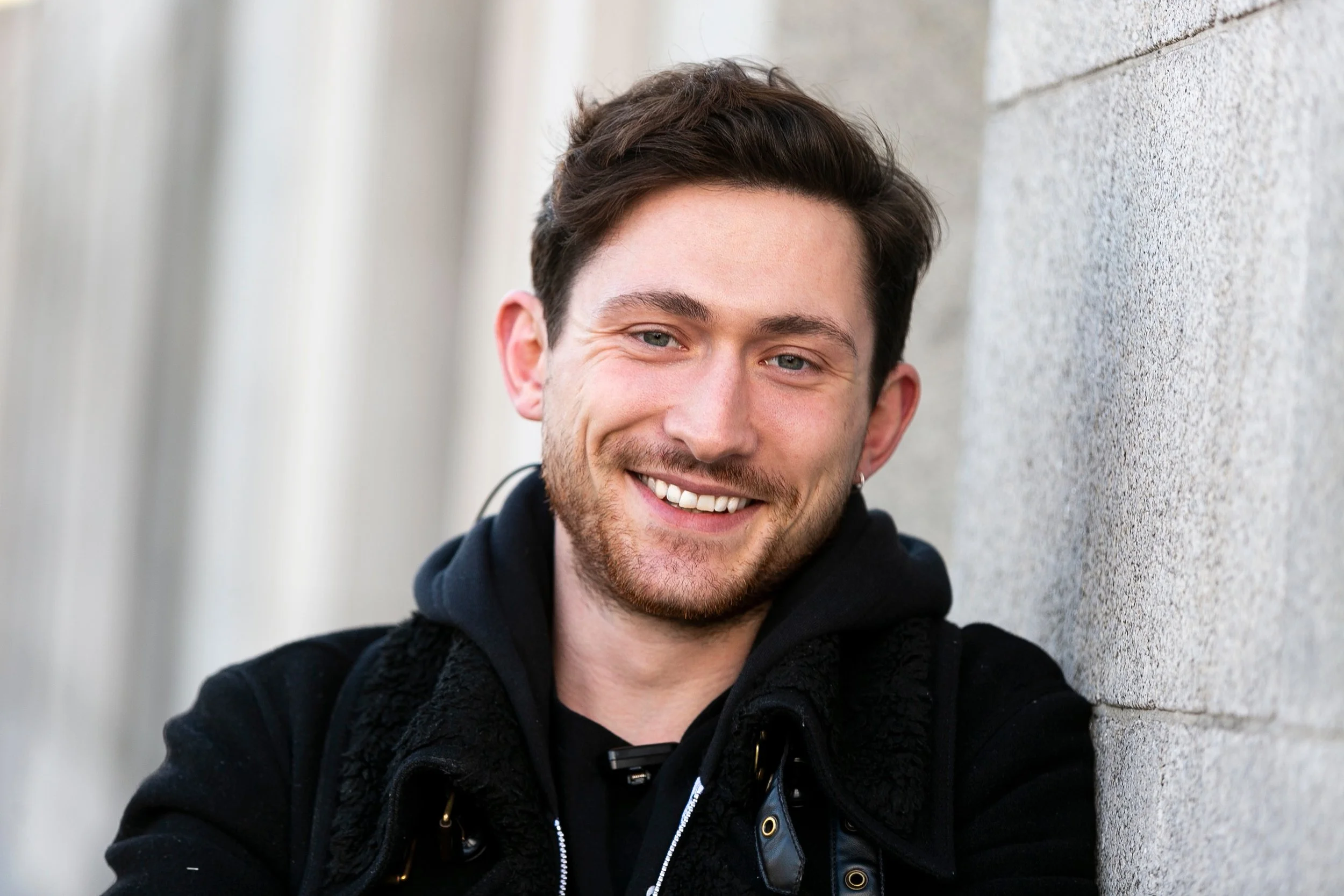
The UK festival scene is about to be shown a beacon of hope, as yesteryears have shown our sovereign festivals straying away from the high quality, standards and values they used to hold. Alex Lane, who has been thoroughly involved across major festivals and creative explorations is launching a brand spanking new festival with an aptly adorned name, Show of Hands.
With an Avengers-like team behind him, a revolutionary vision and reiteration of what makes UK festivals so important to the scene, we seized the chance to have a conversation with Alex before the festival takes place;
Q: To start us off, what spurred the birth of Show of Hands?
Alex:
The idea has been forming for a few years. The musical space occupied by stages like the West Holts stage at Glastonbury has really exploded recently, and I’d been interested in exploring something adjacent to that world for a long time. It only became truly possible after conversations with the team at Gilcombe Farm over the last couple of years. Once we realised it could actually happen, we jumped at it.
What really drove it, though, was a frustration with how festivals engage audiences. A core principle of Show of Hands is that the audience isn’t just present — they actively shape the festival. People can propose ideas and vote on how the festival is built.
Since COVID, the way people experience entertainment has changed dramatically. I work as a producer with Punchdrunk, an immersive theatre organisation, and immersive performance has adapted quickly. Festivals, on the other hand, have largely resisted change. Before COVID, audiences were already quite passive at festivals. Now that passivity feels even more entrenched.
Show of Hands is designed to push against that. You can’t experience it passively — you have to engage. It becomes more like a social experiment in community, voice, and collective decision-making. I’m genuinely excited to see what happens when people are given the freedom to propose ideas and vote on each other’s.
Q: The name Show of Hands feels very deliberate. Did the concept come first, or did the name shape the idea?
Alex:
The concept came first. I’ve always wanted to push the boundaries of what it really means to put an audience at the centre of a project. So many festivals say they’re audience-led, but with the rise of the big corporate festival owners — driven by investors rather than audiences — that often isn’t true.
I wanted to hold a mirror up to that and ask: what happens if the audience genuinely decides what the festival becomes? Is that something people want? I think it absolutely is, even if people don’t fully realise it yet.
Everything flows from that central idea: this is your festival. Your choices shape it. Early on, I considered something like a physical town hall after the festival, but it never quite made sense — especially for the first edition.
Instead, we built a digital platform linked directly to our ticketing system. Ticket holders can log in, propose ideas, and vote online. It allows for distributed participation, which is far more accessible, especially for people travelling from far away.
What’s been exciting is how quickly people have understood the concept. I worried the ideas would be limited to practical feedback — “more toilets” and so on — but instead we’ve had creative, structural proposals. Ideas that either constrain us in interesting ways or inspire entirely new approaches. That’s what excites me: it forces us to build a festival that simply couldn’t exist under conventional rules.
Q: Themes of belonging and creative exploration run strongly through the festival. Why are those so important to you?
Alex:
They’re at the heart of what festivals were originally about. A lot of festivals today have lost that sense of community and creativity. They book artists, put them on stages, and that’s it.
I want to return to something closer to the carnivalesque spirit of early Glastonbury — that feeling that the world is opening up in front of you. Festivals grew out of a desire for community, excitement, and shared experience, and that’s what I want to reconnect with.
Q: You have nearly a decade of experience across festivals, from accessibility to procurement. How has that shaped Show of Hands?
Alex:
More than anything, it’s about the people. Over the years, I’ve worked with incredible teams at Green Man, Glastonbury, Love Trails, Neverworld, Camp Wildfire, and others. When it came to this project, I could look back and call the best people I know — and they said yes.
That’s been incredibly humbling. There’s a huge amount of goodwill behind this festival, and honestly, it feels like everyone else is doing the heavy lifting. I’m just lucky to work with such brilliant people.
Q: How has decision-making worked within such a creative team?
Alex:
It’s a very creative group, which is wonderful — and sometimes chaotic. Everyone’s working freelance or part-time around other projects, so when we meet, it’s about bouncing ideas around.
The main challenge has been restraint. We have far more ideas than are physically or financially possible, especially as a fully independent festival in its first year. The trick is not planning the tenth edition in year one. That’s the slippery slope.
Q: So this isn’t a “finished” festival concept?
Alex:
Exactly. That’s the whole point. The voting system means the festival doesn’t have to be static. If the community decided tomorrow that it should become a death metal festival, we’d have to respond to that.
That’s exciting. The community develops the festival in real time. Practically, the site at Gilcombe Farm is enormous — 300 acres of beautiful hills and oak trees — and the real challenge has been limiting ourselves to make it workable for 2,500 people.
Q: Why was this area of Somerset the right location?
Alex:
Connectivity was key. We wanted something well connected to Bristol — the UK’s festival capital — and accessible from London. Bruton made perfect sense.
Beyond that, it’s a beautiful town with incredible architecture and a long history of cultural movement and festivals. The local community has been amazingly supportive, which was a huge relief. We’ve been able to bring local businesses and residents along with us from the start.
Q: One of the most striking elements is the hot air balloons. What was the vision there?
Alex:
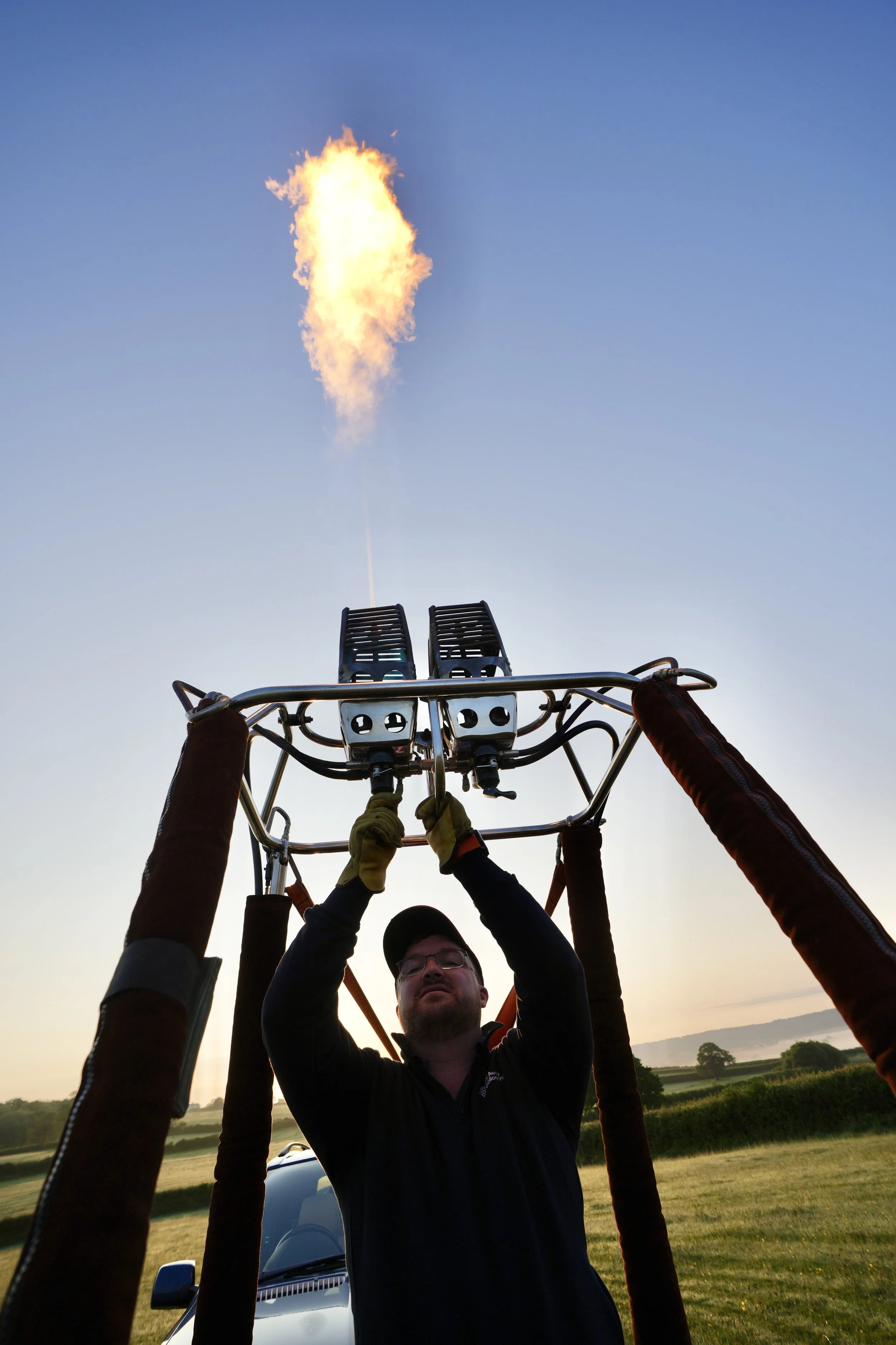
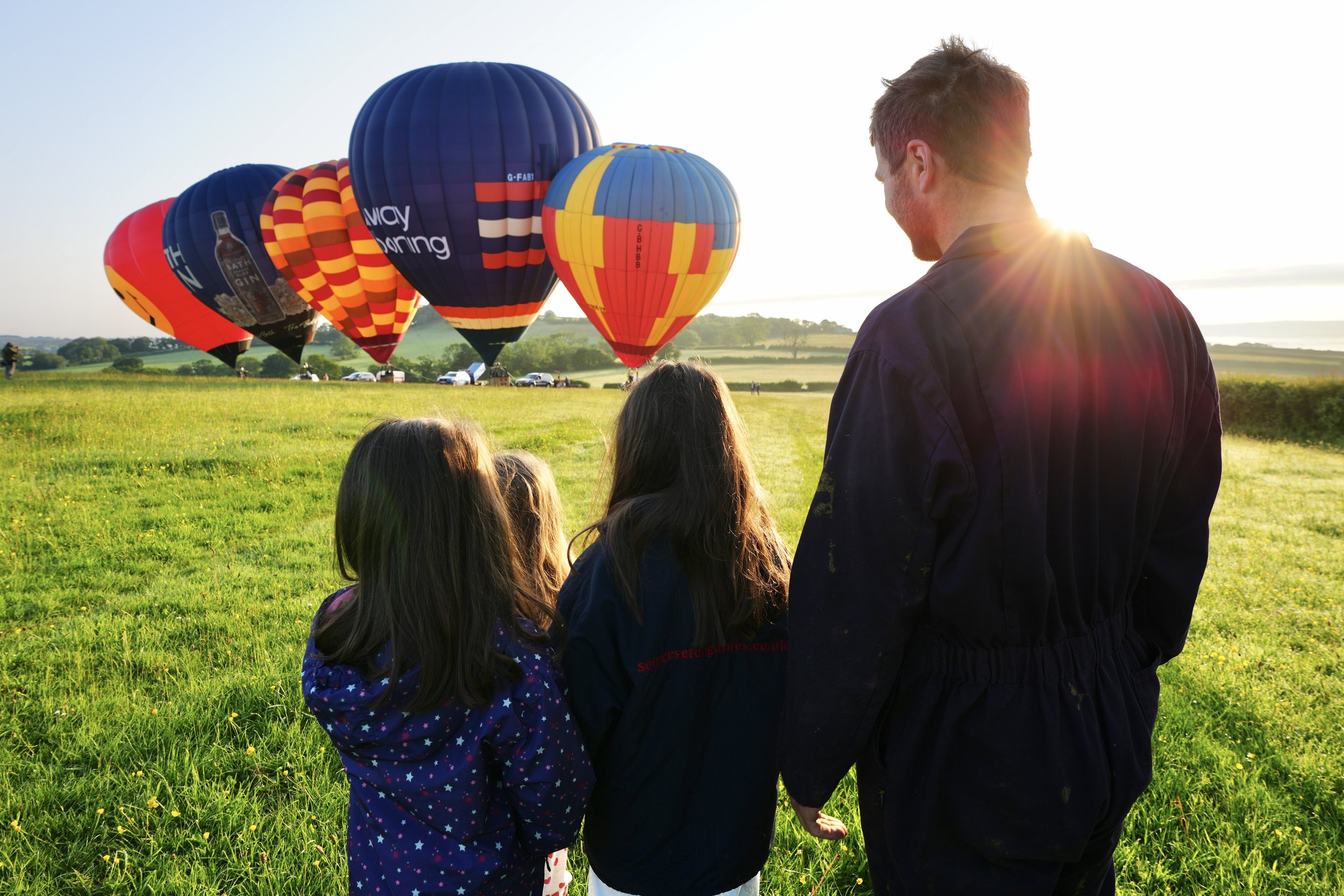
Part of it is visual — it’s undeniably beautiful. But it’s also deeply personal. I grew up ballooning; both my parents were balloonists, and that’s how they met. The southwest has a strong ballooning heritage, and I wanted to tap into that sense of adventure.
There’s something magical about balloons that aligns perfectly with why people go to festivals. I want families to experience that too.
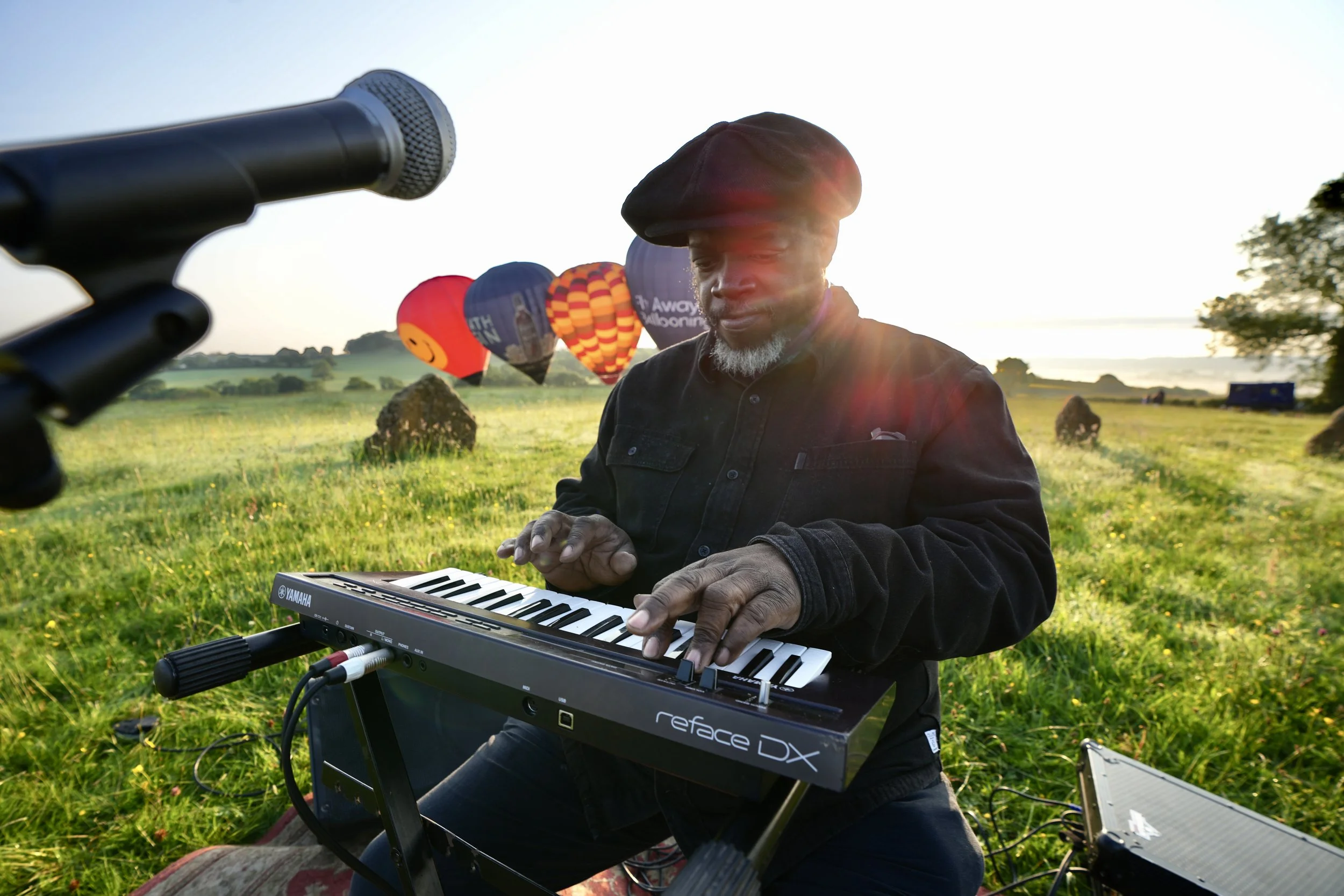
There’s a moment I can picture clearly: the main stage sits in a natural amphitheatre, with a stone circle at the top of the hill. Around sunset, people are sitting on the grass with their families, watching the stage as balloons lift into the sky. That’s the image I want to create.
Q: How many stages will there be, and what can audiences expect?
Alex:
There are three stages.
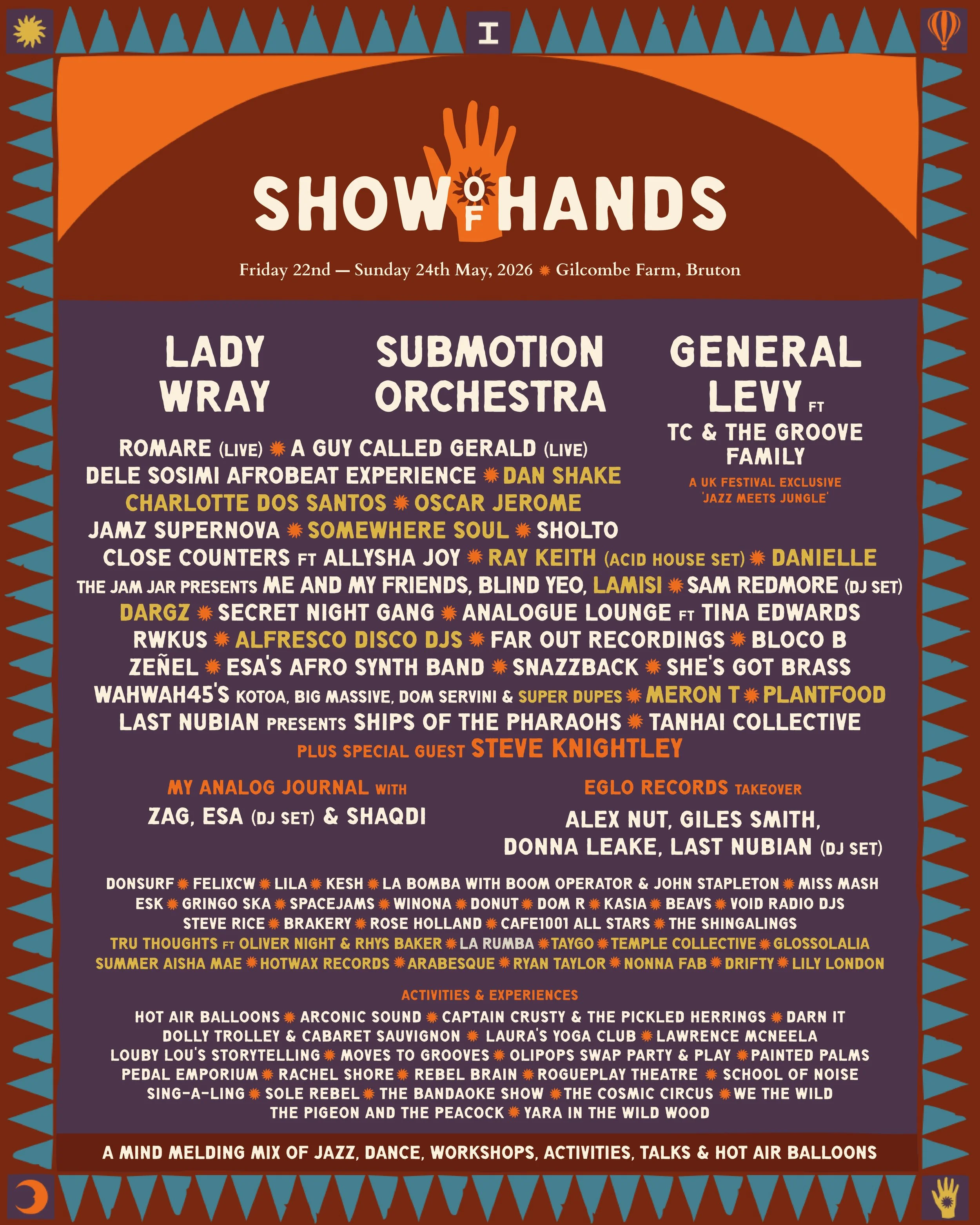
The main outdoor stage runs all day, focusing on headline jazz artists alongside select electronic and dance acts.
The second stage moves from jazz and experimental sounds during the day into dance music at night.
The third is a late-night space — a sweaty, playful dance den that runs until around 4am.
Beyond the stages, there are countless workshops, talks, and activities across the site.
Q: How would you describe the overall atmosphere?
Alex:
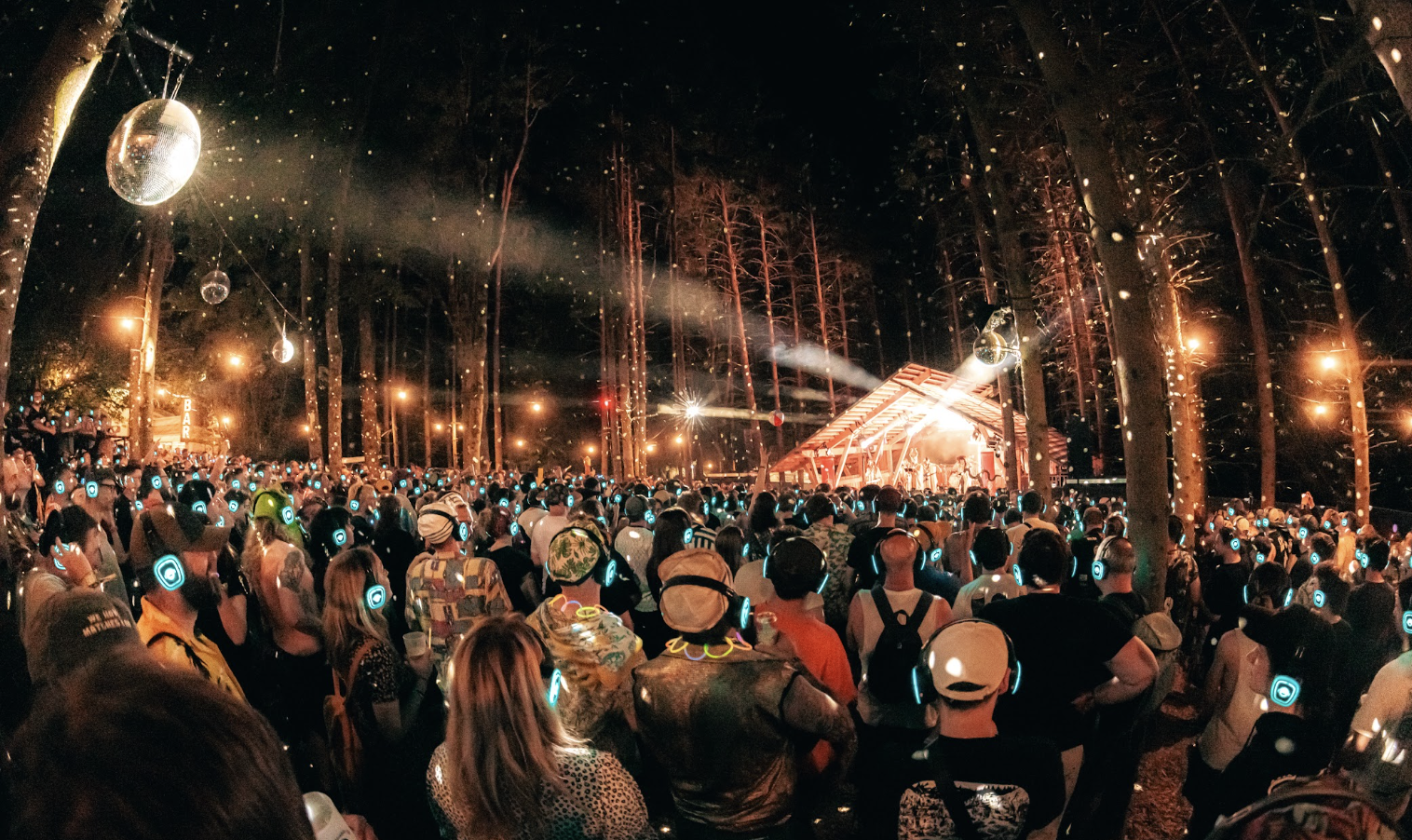
Relaxed but electric. If you’ve ever been to Green Man, you’ll know that balance — calm on the surface, but buzzing underneath. That’s what we’re aiming for.
We’re not a full-tilt hedonistic festival, but it is a late May bank holiday, and there are some serious party acts. Nothing’s off the table.
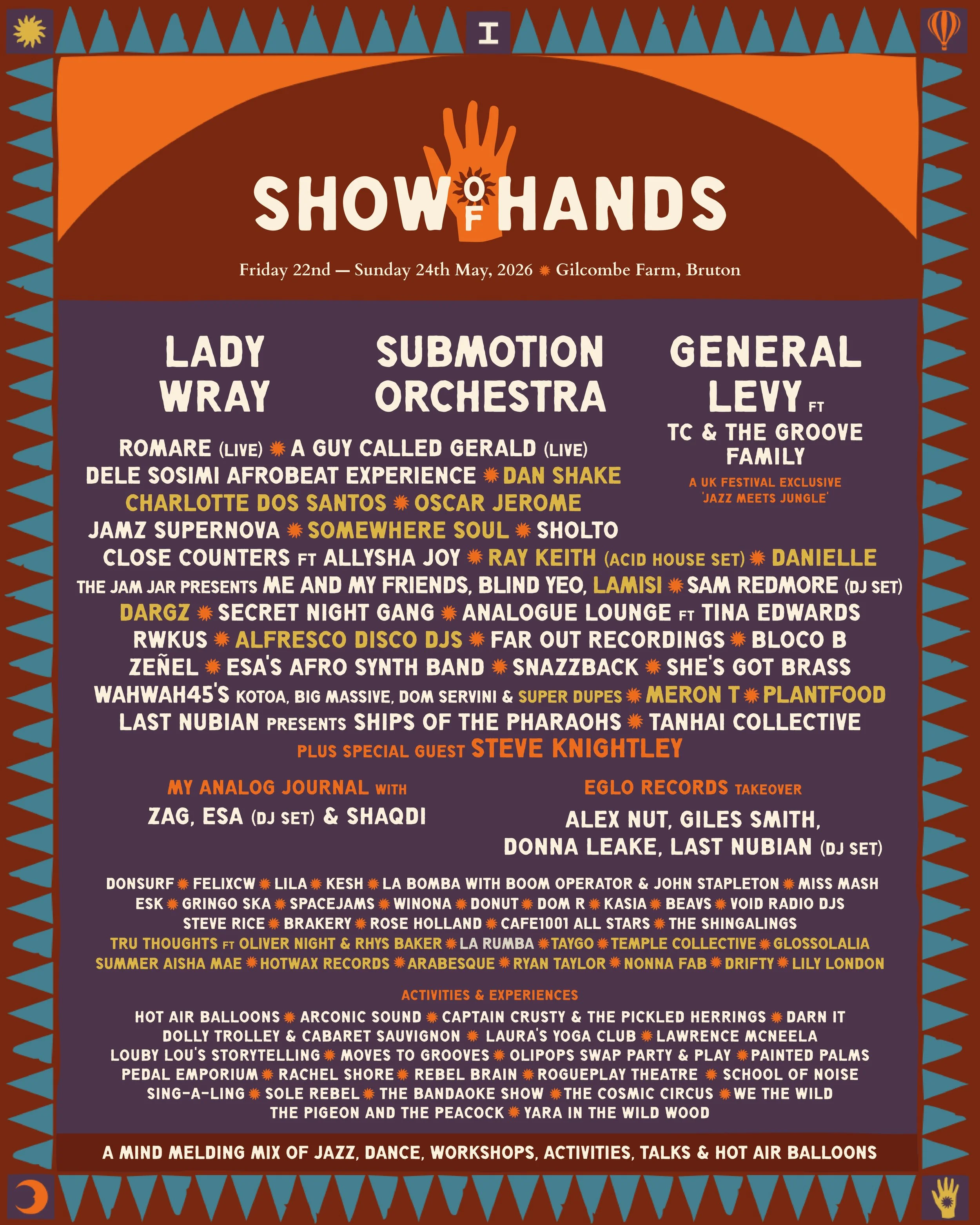
Q: The lineup spans jazz, global sounds, and electronic music. How did that come together?
Alex:
Everything was considered together. We wanted to explore the space between jazz and dance music — an area that very few festivals really commit to.
It also aligns with the kind of audience we’re attracting: people interested in participation, social responsibility, creativity, and community. Families, music heads, and late-night dancers all overlapping.
Q: Are there any bookings you’re particularly excited about?
Alex:
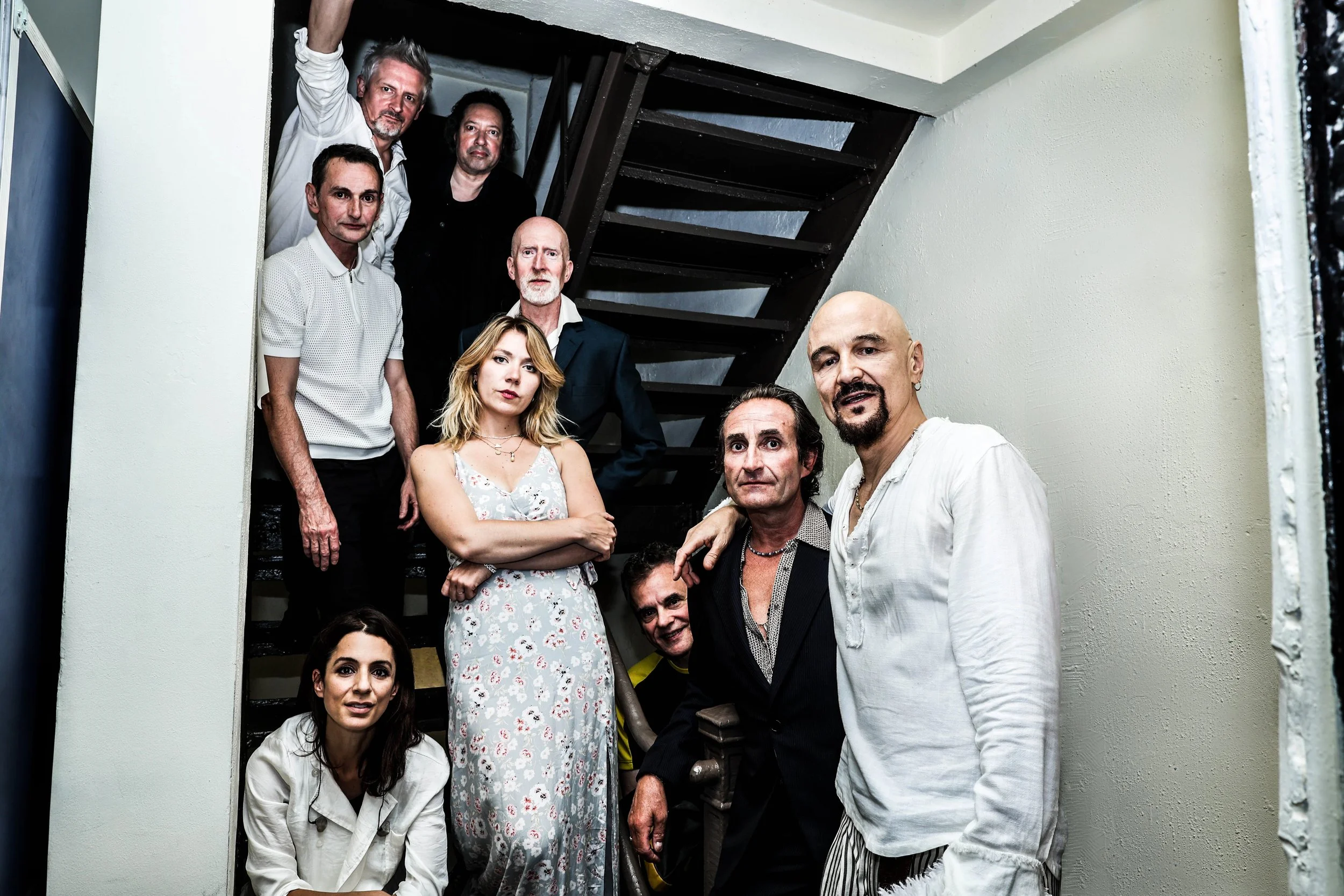
General Levy and TC, without question. Lawrence called me late one night with the idea of commissioning an entirely new, exclusive jazz-meets-jungle show just for us. It sounded mad — and brilliant.
They immediately agreed. We’ve heard early samples, and it’s incredible. No one else will hear this anywhere else.
Q: There are also artists stepping outside their usual genres, like Ray Keith playing acid house. Was that intentional?
Alex:
Absolutely. Ray Keith is a genius, so we asked: what happens if he applies his creative process to something completely different? He jumped at it.
That’s been a theme throughout the booking process — inviting artists to do something unexpected.
Q: Why include hybrid collectives like Analogue Lounge and Eglo?
Alex:
We wanted to bring in people who really understand the jazz-electronic crossover world. Analogue Lounge, in particular, is a challenge because they usually perform in the round — something we’ve had to creatively adapt for the site.
But that’s the point. We wanted brilliant people with bold ideas, all contributing to a festival shaped by collective choice.
Q: You’ve deliberately avoided sponsors and VIP areas. Why?
Alex:
If you’re building a festival around choice, it would be disingenuous to take money from a major sponsor and then limit what people can drink or where they can go.
Everything is locally sourced, carefully curated, and chosen for quality. The same logic applies to VIP areas — creating hierarchies doesn’t align with a festival built on equality and shared experience.
Q: Should more festivals take a stand on independence?
Alex:
There are many independent festivals already. Whether they make a public stance is up to them. For us, it was important to be clear from the start that being bought out will never be an option.
Q: Finally, what would you say to someone considering attending the first edition of Show of Hands?
Alex:
If the lineup doesn’t convince you, look at the workshops, talks, ballooning, and the setting itself. This festival only gets to be the first one once.
It’s fully independent, locally sourced, creatively ambitious, and happening over a bank holiday. For £145, it’s hard to find better value. If you’re curious, now’s the moment.
Written and Interviewed by Brandon Purmessur
Opinion