Talking to: SISTALAND
Exhausted by the “red tape” that defines the boundaries of the creative industry, Nikita Dare has carved out a space beyond them. Her new festival, SISTALAND – set to debut November 11–12 – is imagined as something far more radical than another networking event. Dare describes it as a “coven-like” space where “passionate people can learn from each other in an ego-free manner,” a necessary step, she argues, towards dismantling the “one-upmanship” and “gatekeeping” that stifle genuine connection and collective growth.
More than an event, SISTALAND builds on the like-minded network Dare has nurtured throughout her years in the industry – a support system grounded in empathy and lived experience. Inclusivity sits at the heart of her mantra. Drawing from her own experience as a woman in the creative field, Dare places particular importance on supporting mothers who, she notes, “often leave because they aren’t made welcome,” as well as addressing the broader realities of womanhood – how hormones and care responsibilities often clash with the relentless work ethic the industry demands. “By creating a space where it’s normal to talk about things like bad periods or mental health,” she says, “we can make the industry better for everyone – men included.”
Inclusivity also extends to queer, non-binary, and neurodivergent creatives – reflected in the festival’s evolution from its early name, Sole-Fest. The final title, SISTALAND, speaks to openness: the intentional misspelling of “sister” makes space for those who might otherwise be left out. It also channels the spirit of disruption at the project’s core, mirrored in the team’s unfiltered communication style. “We swear in our emails,” Dare laughs. “How else are we supposed to challenge the norms of female obedience?”
Focused on disrupting industry norms through collective healing, SISTALAND feels like a small act of rebellion – a ray of light cast on a creative world that can only survive through genuine collaboration. For Dare, it’s about putting human beings first – not defining people by discipline or job title, but by their capacity for openness and empathy. The festival invites participants to dismantle limiting beliefs, to slow down, to practise patience in an industry addicted to speed. Born out of what Dare describes as “a dark place,” SISTALAND is ultimately an exercise in healing – a reminder that creativity flourishes not through competition, but through connection. We are communal beings at heart, and creativity will suffer without that glue.
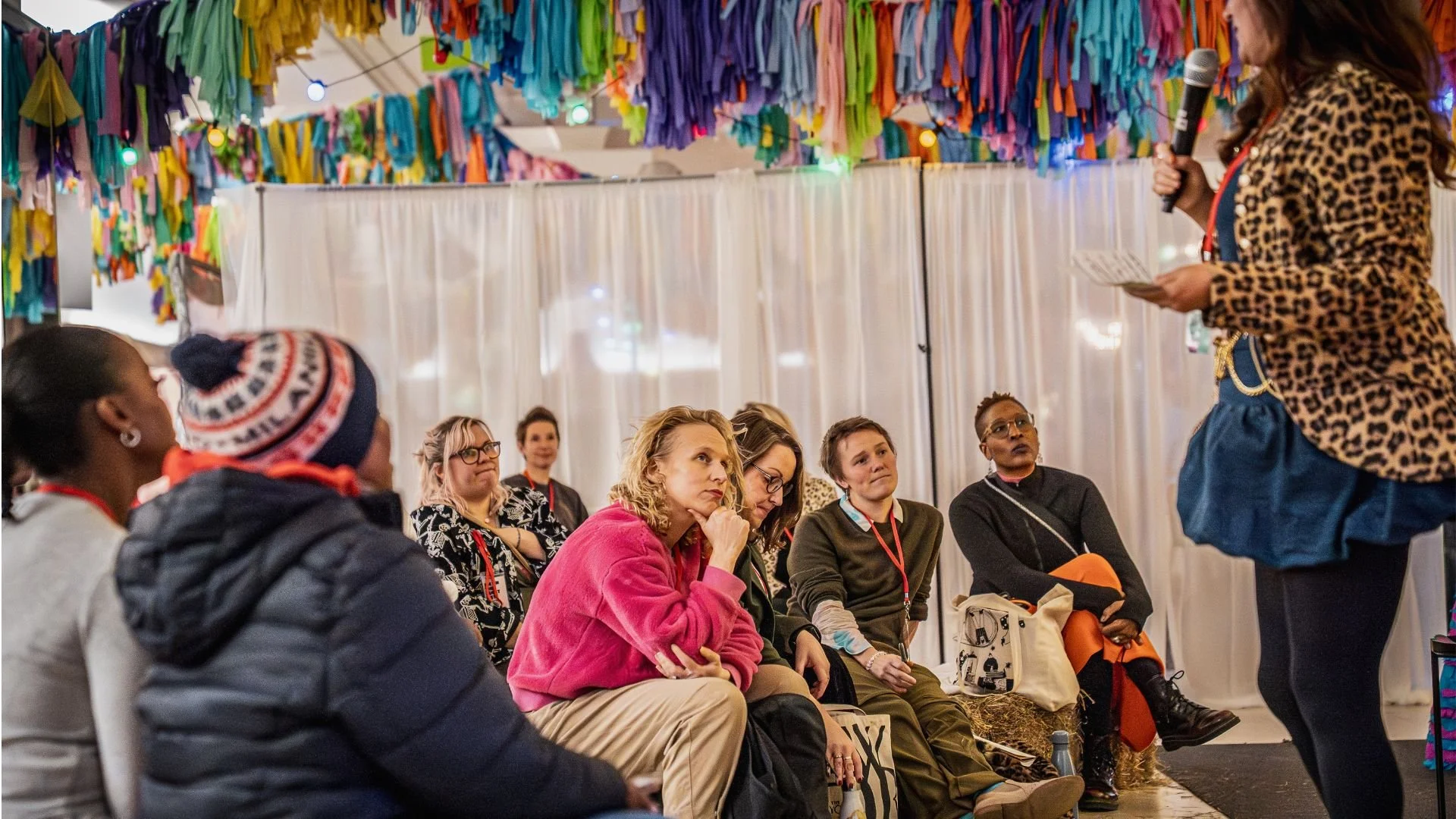
The event has been designed around the needs of the people it serves – both in vision and in practice. It functions as a one-stop space that rejects the contrived feeling of traditional networking events, shifting focus away from job titles and towards what people can offer as humans with lived experience. Even the scheduling reflects this ethos: positioned mid-week so those in demanding roles – including mothers – can keep their weekends free, with ticket prices kept low enough to remain accessible regardless of salary (or lack thereof).
There is a specific effort to ensure the space does not become an ‘echo-chamber’, so the creative team have remained in active contact with those attending. WhatsApp groups exist between the organisers, rejecting the formality of email chains to ensure dialogue stays open, and for attendees, questionnaires have been sent out to give them a voice in shaping what issues they want to spotlight.
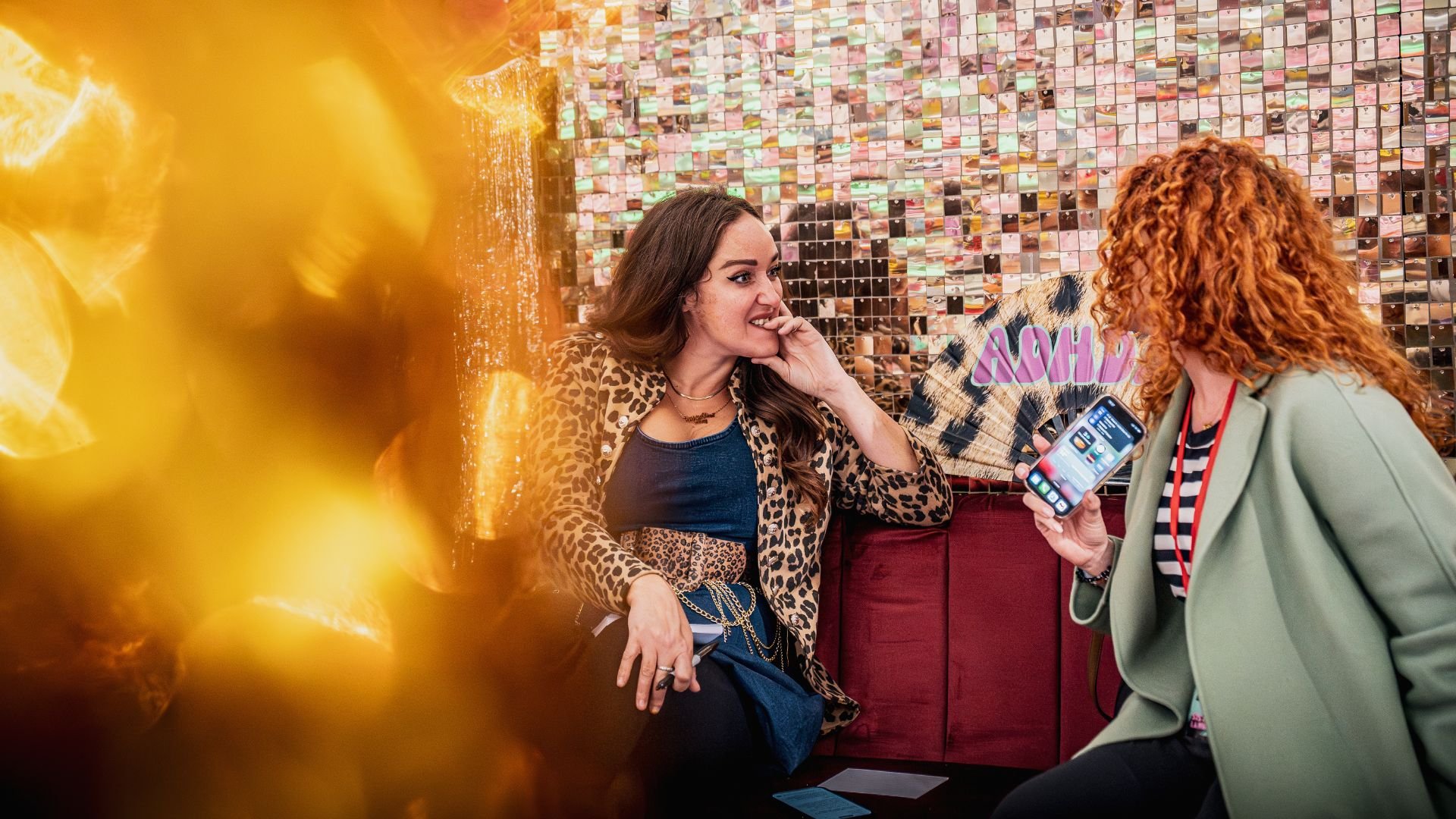
As an extension of this, Dare speaks about the part she’s “most excited about” – The Dream Wall. This installation attempts to physically create a space dedicated to people’s dreams – but also their limiting beliefs. On one side of the wall, people will write what they want to achieve, no matter how big or small: on the other, what’s holding them back. It’s an effort to cultivate inspiration, but also a visual tool for Dare and her team to identify the themes that emerge – the issues they can centre on next time, as SISTALAND evolves into the larger three-day festival this pilot is working towards.
Written by Claudia Spice
Opinion