10 Questions With: Meg Houghton-Gilmour, The Founder of The Bristol Sauce
My recent favourite pastime is recommending The Bristol Sauce. I find myself excitingly waiting for friends to ask me where to eat in Bristol, just so that I can ceremoniously send them the latest Sauce blog. Seriously.
That may all sound a little OTT, but spend ten minutes scrolling their website - and you’ll get it.
Is it just the impeccable and compelling writing? Or the dry honesty that basks in such brilliant integrity? They’re certainly part of it - but not all of it.
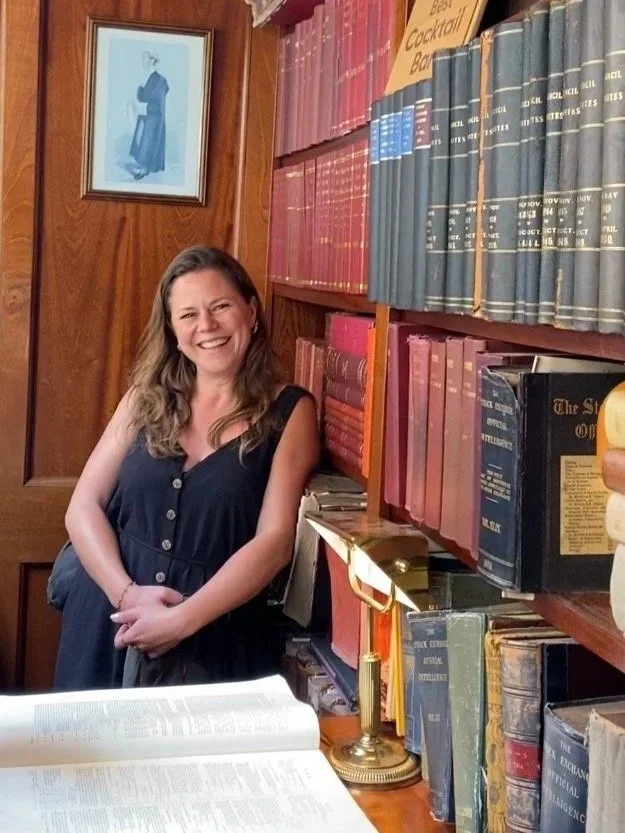
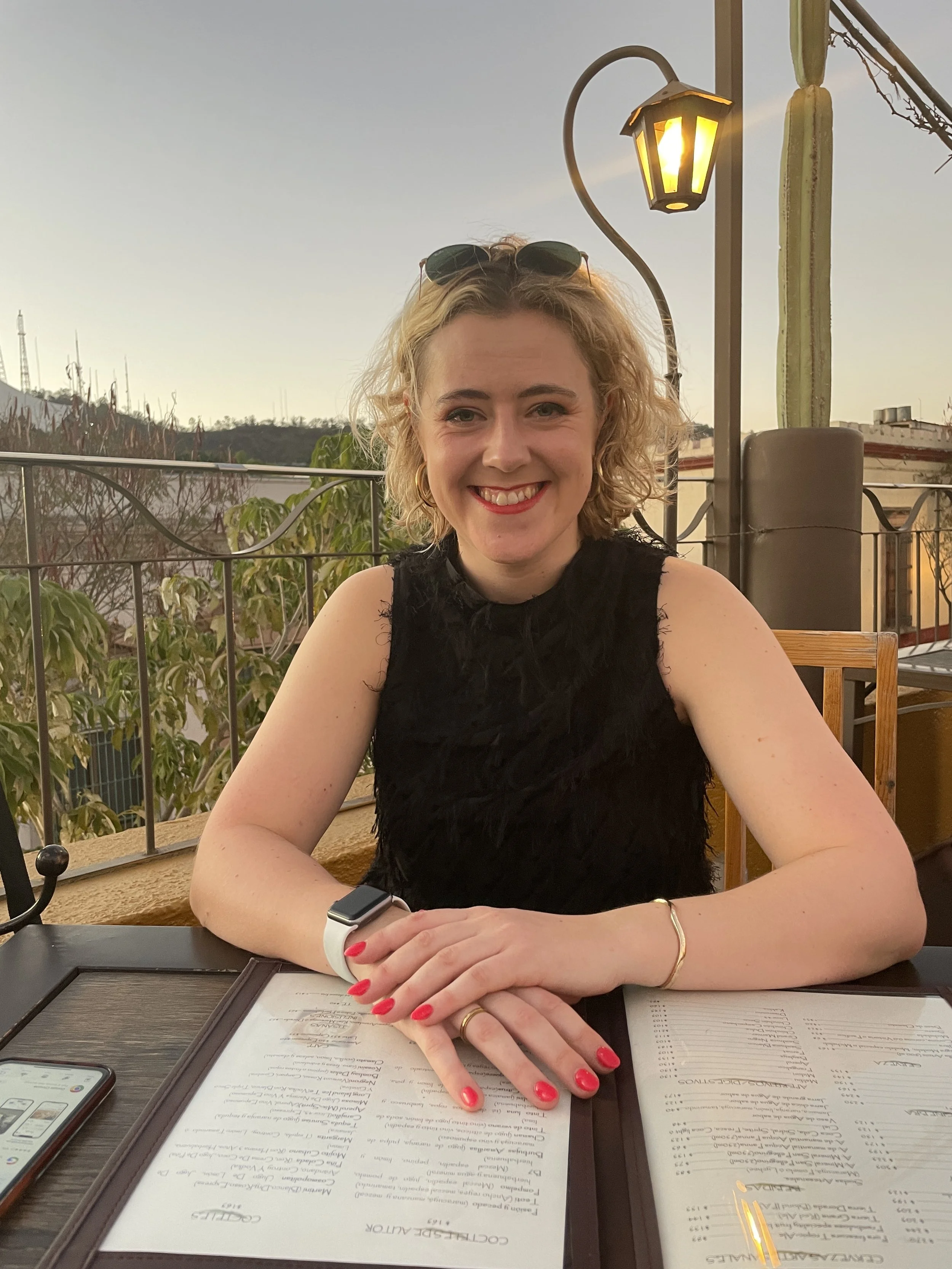
A massive part of my excitement comes from the inspiration that is the founder, Meg Houghton-Gilmour.
She is the perfect person to head up this project. With a background working as a journalist and a chef, her experience perfectly comes together to create this new creative endeavour.
It is food writing that dares to ruffle feathers - not through disrespect of the hospitality sector, but, in fact, the opposite. The writing is rife with a genuine understanding and love for the Bristol food industry - and the people who make it what it is.
Yes, restaurants may fear to see a Sauce writer coming. But, Meg has done something truly special, because here’s the thing. A bad review may piss you off but - a good review? Now that’s actually gotta mean something.
1. The Michelin Guide, rate it or hate it?
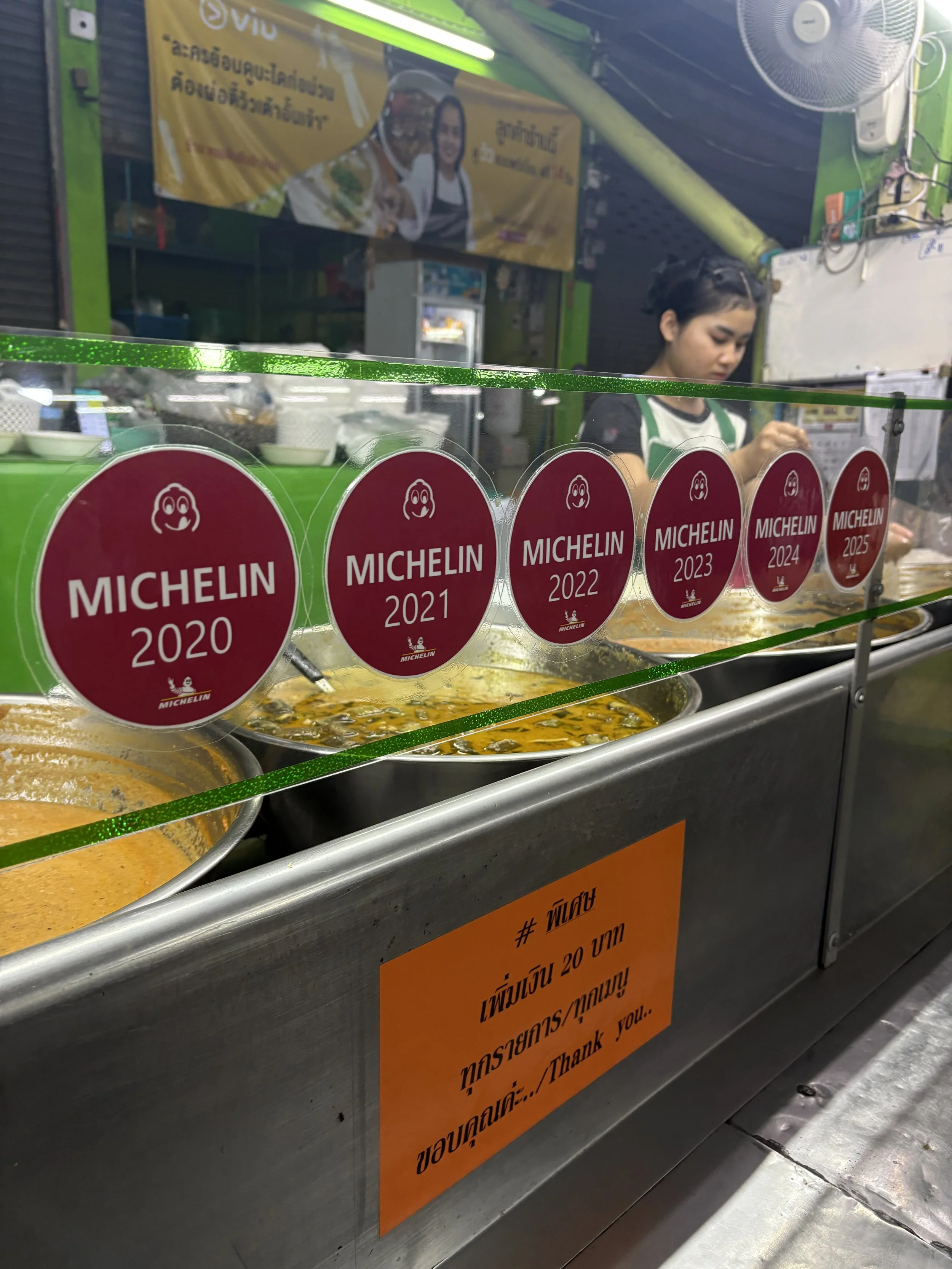
Start with the easy questions, why don’t you! Anything that can be bought is inherently biased. Michelin will claim they can’t be bought, but they are largely funded by tourism boards: in the last ten years, for example, the tourism boards of South Korea, Canada and several in the States have all paid for the gaze of the Michelin inspector. So, while a restaurant can’t pay to get into the guide, a region can. That said - I have found the Michelin Guide enormously helpful for finding restaurants in various parts of the world on my travels, and I know how beneficial it is for driving trade to hospitality businesses. But it can lead you astray too; Jay Fai in Thailand is the world’s first ‘Michelin-starred street food’. They charge £40 for a crab omelette that tastes like soap served with a snarl, and you have to wait four hours in the baking Bangkok heat for the pleasure. Michelin was born in France, and so it tends to hold European food, or the hyper-refined food of Japan, in very high esteem - which I think is unfair. Why doesn’t Michelin visit India, for example? It’s also impossible to keep up to date with that many dining scenes across the globe - which means places fall through the cracks. Oh and did I mention it is responsible for multiple chef suicides? You’ve opened a real can of star-shaped worms here, I’m afraid.
2. Crystal ball time: what are your predictions for Bristol’s food scene in 2026?
Hmmm, let me take a look. The ball is showing…Another Michelin star on Chandos Road, and perhaps a third opening for the COR and Ragu team. Something new on North Street this way comes, and cold brew cocktails are to burst onto menus when the weather warms. Hilda will get a bricks and mortar site and Pete Sanchez-Iglesias will make a glorious return to the Bristol food scene. Chicken Lunch Club will find a permanent home too, and we’ll get a high-end Thai restaurant. How’s that? They don’t call me Mystic Meg for nothing.
3. One bit of advice for food writers starting out?
Food writing isn’t necessarily about knowing loads about food — it’s about being a damn good writer. It’s no use being able to name forty of the ingredients in a Mexican mole if you’ve lost the reader after the first sentence. So writers should prioritise just that: writing. The best way to improve your writing is to write and to read. Start a blog, pitch to local newspapers, write for a student paper, and read fervently and widely.
4. The Bristol Sauce is ‘always honest, and always paid for’. Was this a reaction against the world of influencers?
It was somewhat a reaction against the rise of influencers, but visiting anonymously, paying for the food and being honest to a fault has always been the way of food critics - ever since the first restaurant review was published in the New York Times in the mid 19th century. If I’m going to share a recommendation for a restaurant, how can I be honest and recommend it in good faith if the food was free and I was treated differently to other customers? That’s not fair on the audience if you ask me. I think what a lot of people don’t realise is that lots of Bristol influencers are paid hundreds, if not thousands, of pounds, to say a burger is the best they’ve ever eaten. People swallow that content without a second thought — and it ain’t good for you or your dining out budget!
5. “If you can’t cook it, you can’t critique it.” Thoughts?
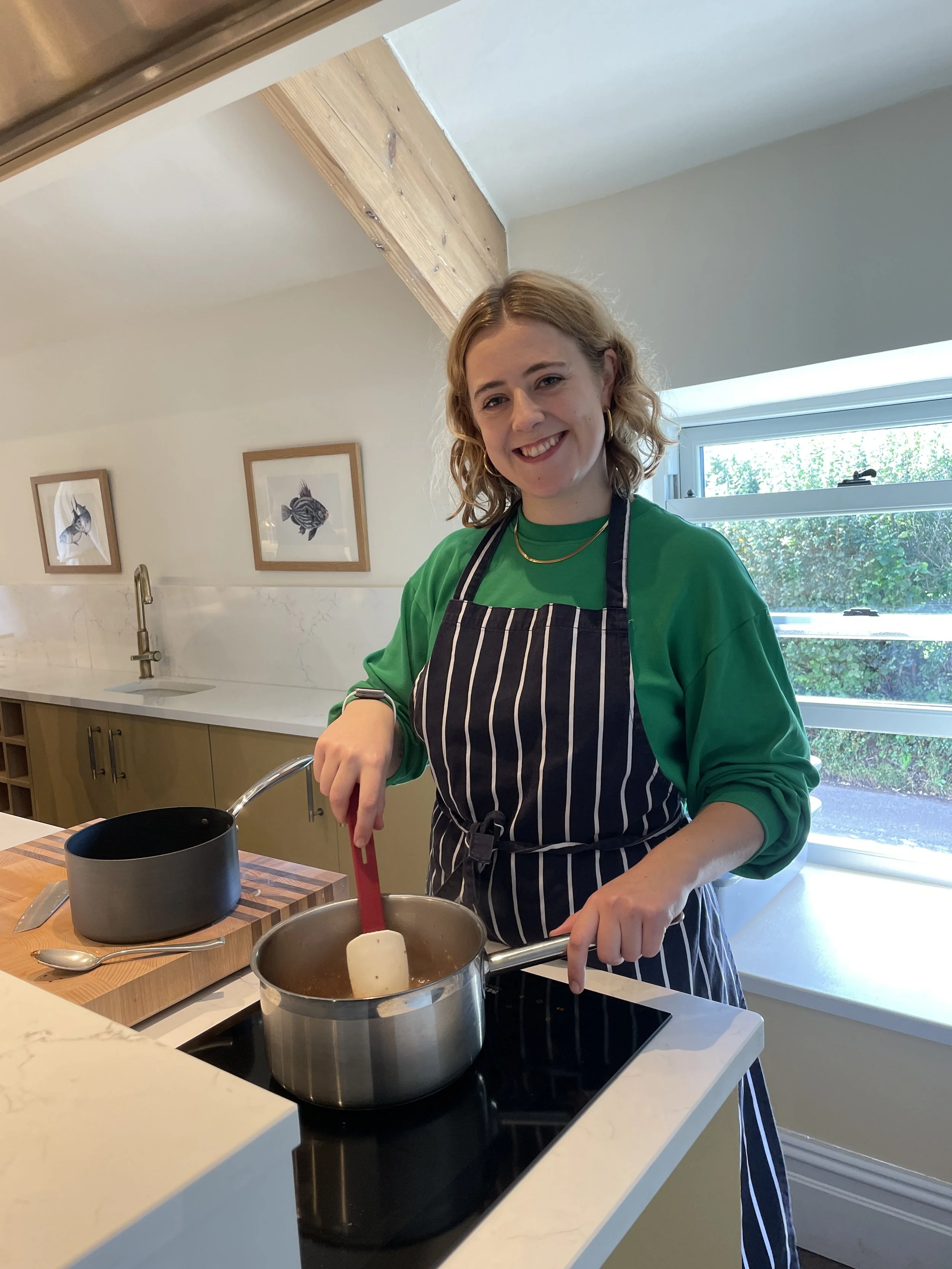
Largely nonsense. For some reason that’s always baffled me, people see art criticism, the criticism of films, TV and books as more valid than they do food criticism. But how many film critics are also directors or cinematographers? How many political columnists are also politicians? There are many things I have eaten that I do not know how to cook. But I am not there to cook it, I am there to eat it and tell my readers whether it is worth seeking out and eating. I can cook and have even (my haters will be horrified to learn this as it is their usual criticism of me) been a chef. I worked for five years in hospitality; I know how it is. But what makes me qualified to be a critic is the fact that I have eaten in restaurants all over the world, I spend nearly all my time and money doing so, I read about food and restaurants constantly and I can write well. Plus, restaurant criticism is about so much more than just the food and cooking. We have to put everything into context and make it enjoyable to read while doing so.
6. Most criminally overrated ingredient, or dish, that needs to be sent to flavour prison?
Gosh there’s many. Fridge-cold burrata is a crime. I have a real thing about bread: butter ratios — give me enough butter for my bread, goddammit!
Another gripe, since you’ve given me a soapbox on which to stand, is having menus over explained to me. What’s the point in giving me something to read if you’re going to stand next to me for the next ten minutes reeling off the origin story of every ingredient that’s ever set foot in the kitchen? I’ll ask if I want to know more - thanks!
7. Most underrated restaurant in Bristol?
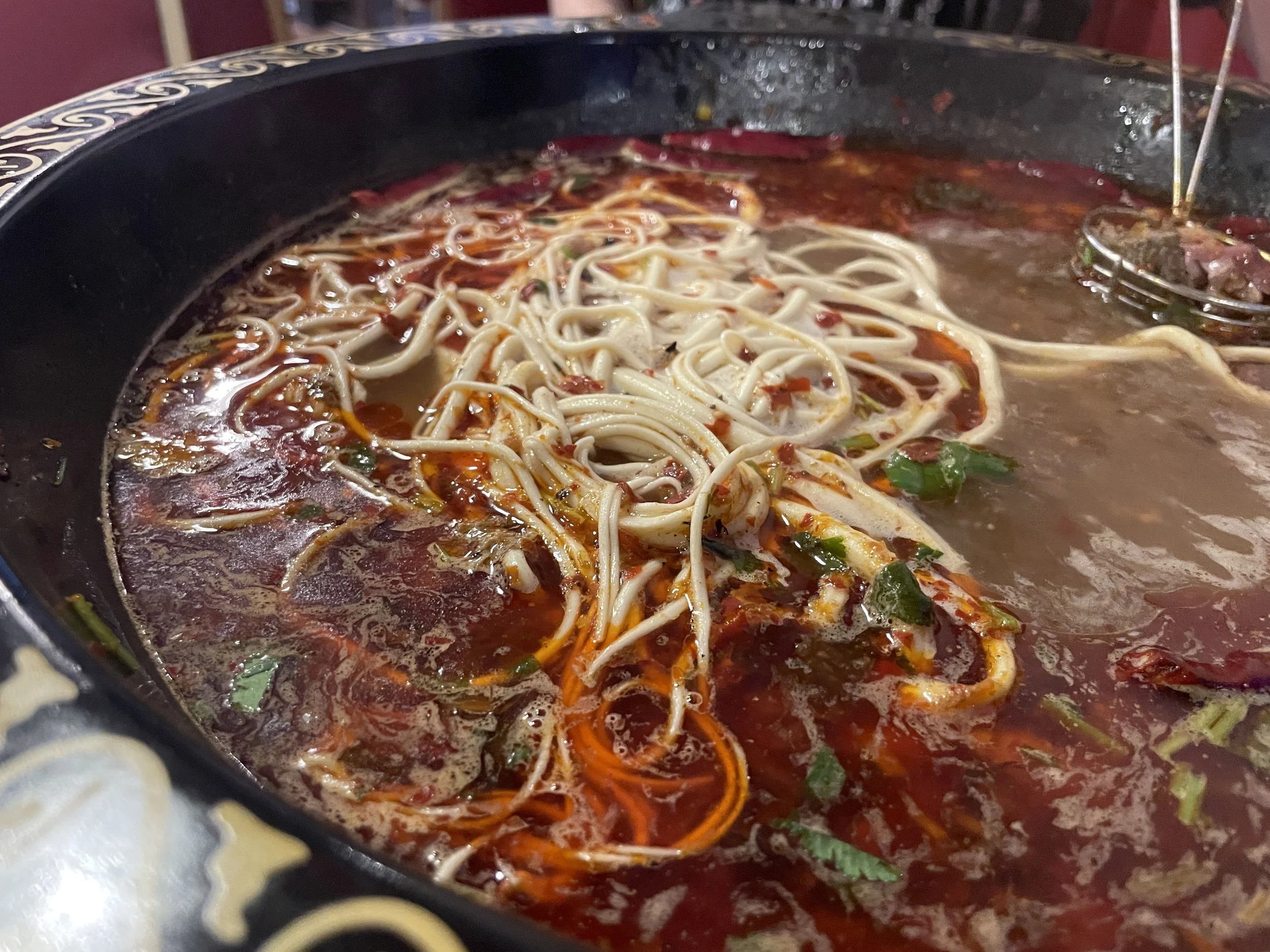
Bristol’s Chinese restaurants don’t get the attention they deserve. Chinese restaurants so rarely get mentions in the big guides - which tend to focus more on modern European cuisine — but in Bristol we have some truly excellent spots for regional Chinese food. Nice Spice and Authentic Hot Pot and Hand-Pulled Noodles (try saying that with your mouth full!) are both criminally underrated.
8. Your mates ask you to pick a place to eat, but you’re crawling to payday. You need to pick somewhere delicious and, crucially, cheap. Where do you go?
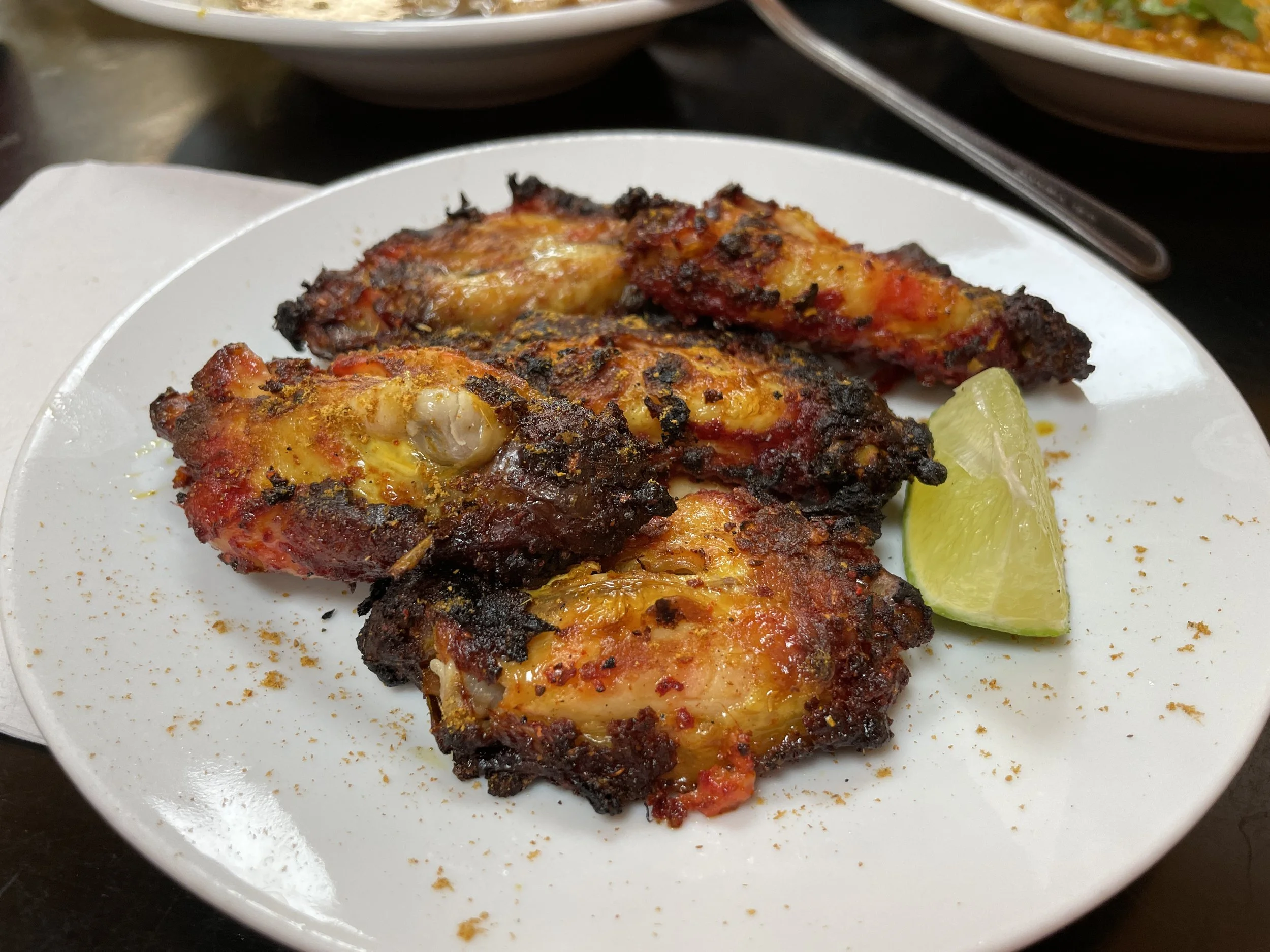
I’d head straight for Stapleton Road. That place is a goldmine of cheap and cheerful, but wonderfully characterful restaurants. Perhaps we’d share a loaded injera in Zara, or head for some chargrilled tandoori chicken wings in Desi Dera. If that didn’t swing my mates, I’d challenge them to turn down a kebab and a bowl of daal from Easton Grill House.
9. If you could have a starter in one restaurant, a main in another and a dessert in a final eatery… where are you picking?
Gosh this is tough. I’ll stick with Bristol restaurants, as it is my speciality. I’d have a Lazy Susan full of dim sum and Chinese starters at Mayflower, followed by a whole guinea fowl with creamy cognac sauce and frites from Little French, and finish with a sticky toffee pudding at The Pony. And then you might as well just roll me straight into my grave because that would finish me off.
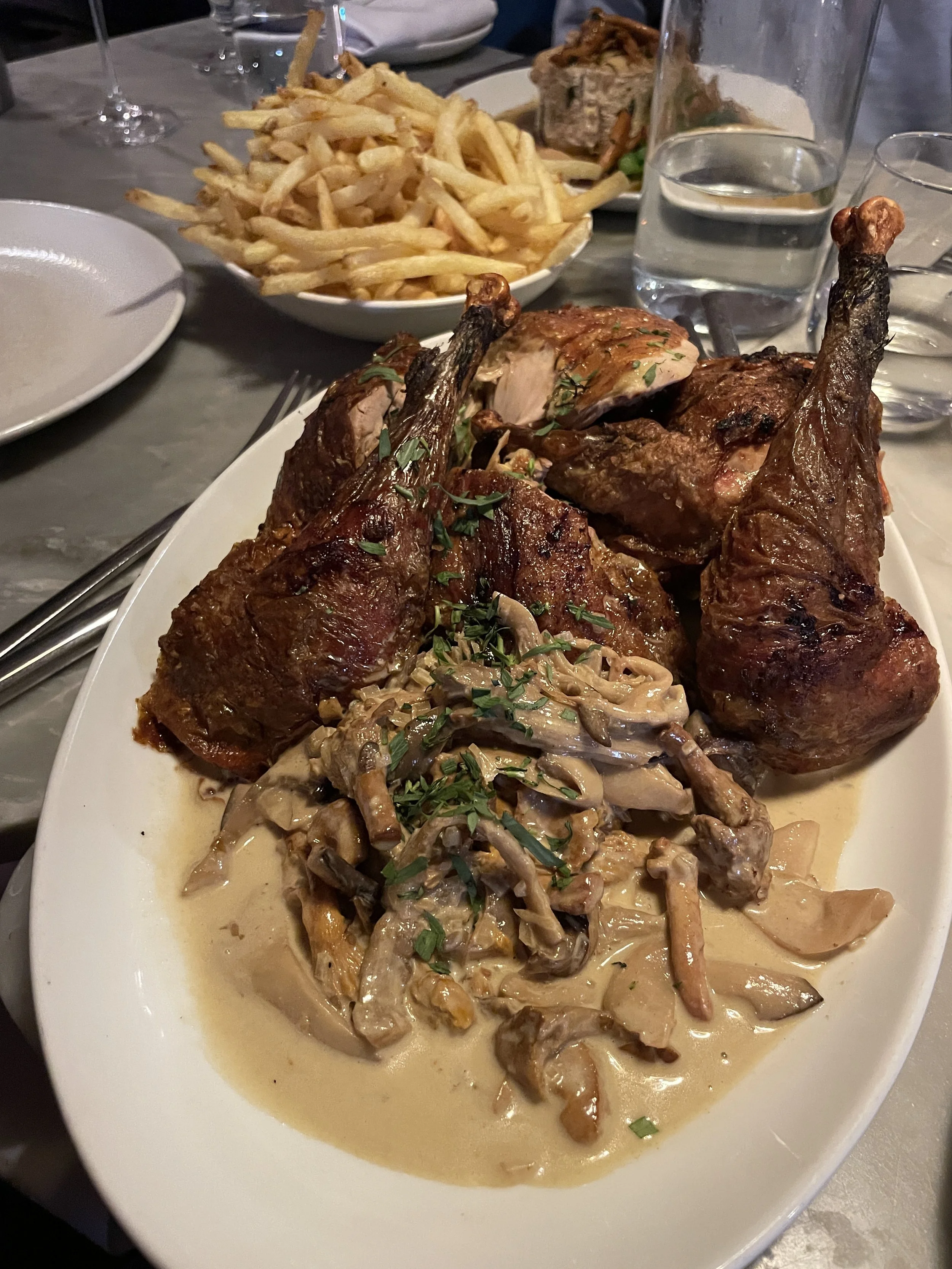
10. What’s the meal that got you into Food Journalism?
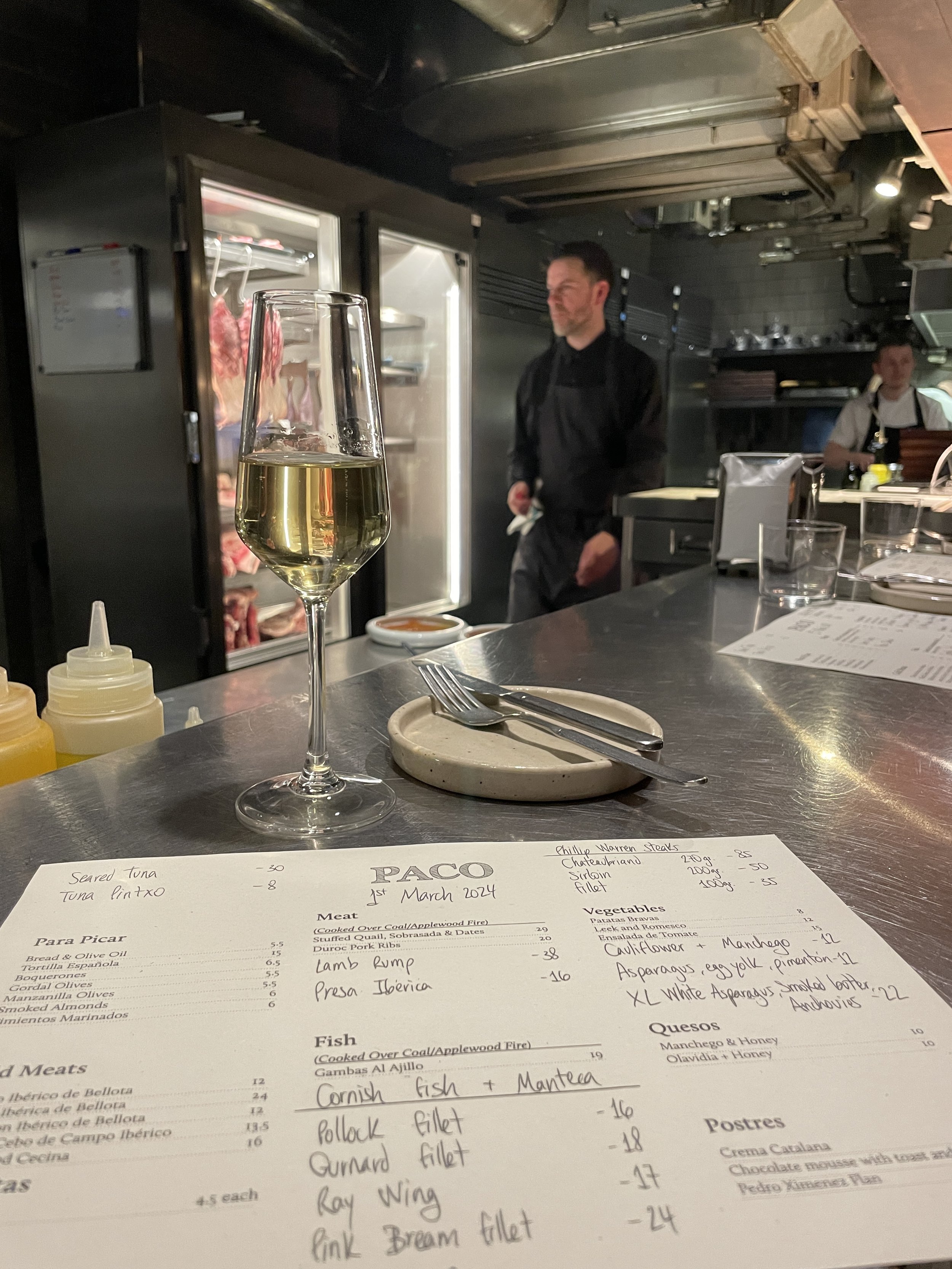
Though I didn’t start writing immediately afterwards, my first time sitting at the counter in Paco Tapas, feeling the heat of the grill warm my cheeks and laughing at the banter of the chefs while eating out-of-this-world level tapas — is the food memory that really made me realise what a restaurant could do and could be. That experience and how it made me feel has always stayed with me, and has definitely influenced my work to date. RIP Paco Tapas - gone but never forgotten!
Interviewed by Everyday Magazine Founder, Jessica Blackwell.