The Everyday Review: Plantuguese
Classic Portuguese recipes, veganised. Plantuguese aren’t afraid to play with and imitate their food. Almost every dish on their menu includes a mock fish, meat or cheese, from the meat-feast that is a francesinha to seafood centrepieces like bacalhau à brás. Plantuguese serve bold and authentic dishes with compassion at the forefront of their menu.
As well as being 100% vegan, their wine menu is stocked by Port O’ Bristol, a Bristol based company that imports Portuguese wine by wind powered cargo ships. We enjoyed a cool glass of vinho verde. A bright green wine with sharp and refreshing hints of raspberry.
As a vegan, I was very excited to hear about a new plant-based restaurant in Bristol, and even more so when we were invited to try their brand-new menu. The cuisine and décor attest to how proud founder Tiago is of his Portuguese heritage.
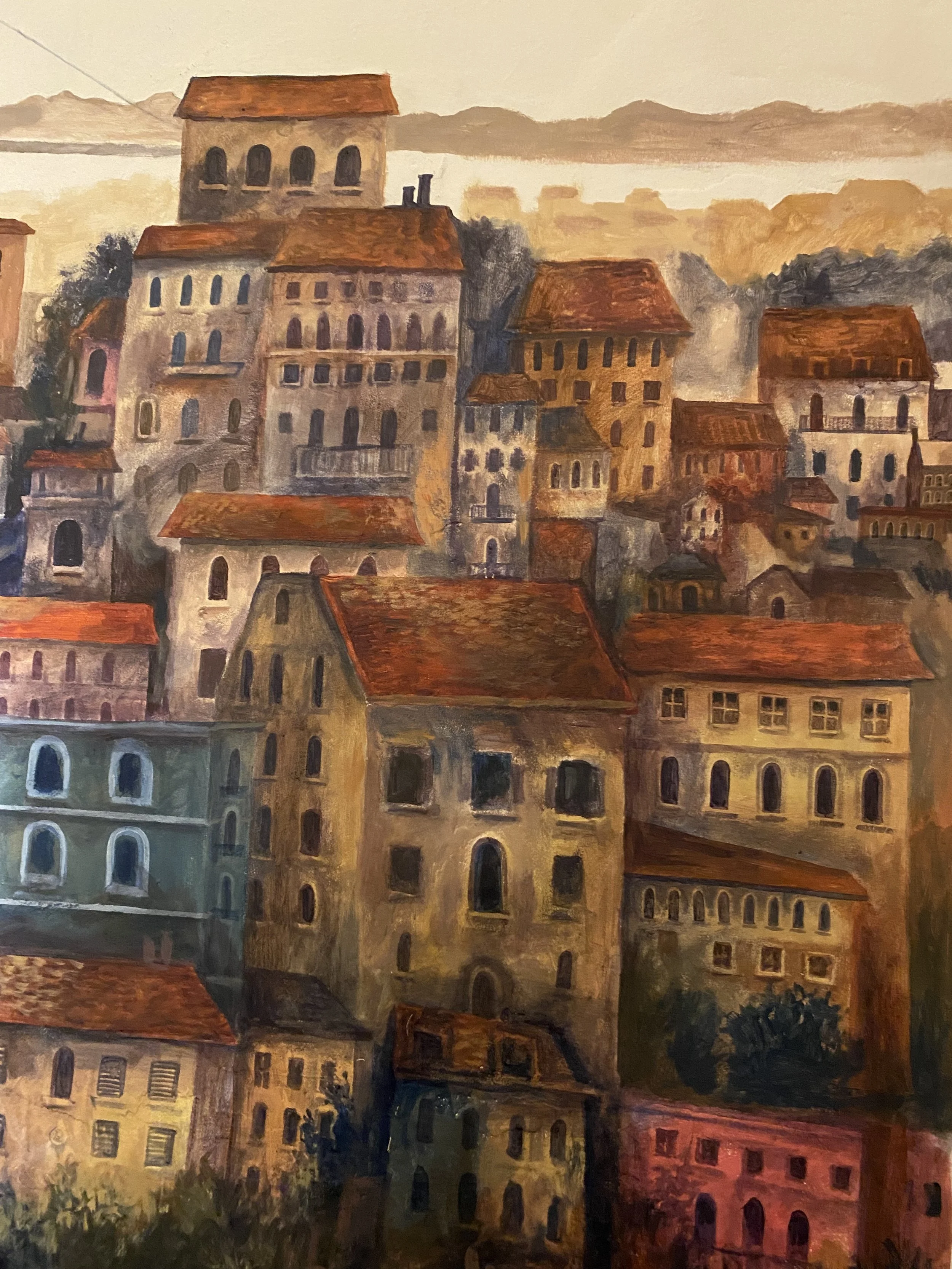
The front of the restaurant, a display of blue and white, a nod to traditional azulejo tiles. Inside, a combination of low strung lights, dark wood and Portuguese motifs, from rustic wooden shutters to a large mural by Bristol based painter Will Cross. The oil painting depicts the seven hills of Lisbon amongst tan houses and the classic Lisbon tram painted in large, bold strokes.
Tiago’s pride also stems from a love of food passed down from his grandmother. He told us about her love of chefing, how she would cook him classic dishes such as bacalhau à brás: shreds of salted cod and shoestring potatoes combined with egg.
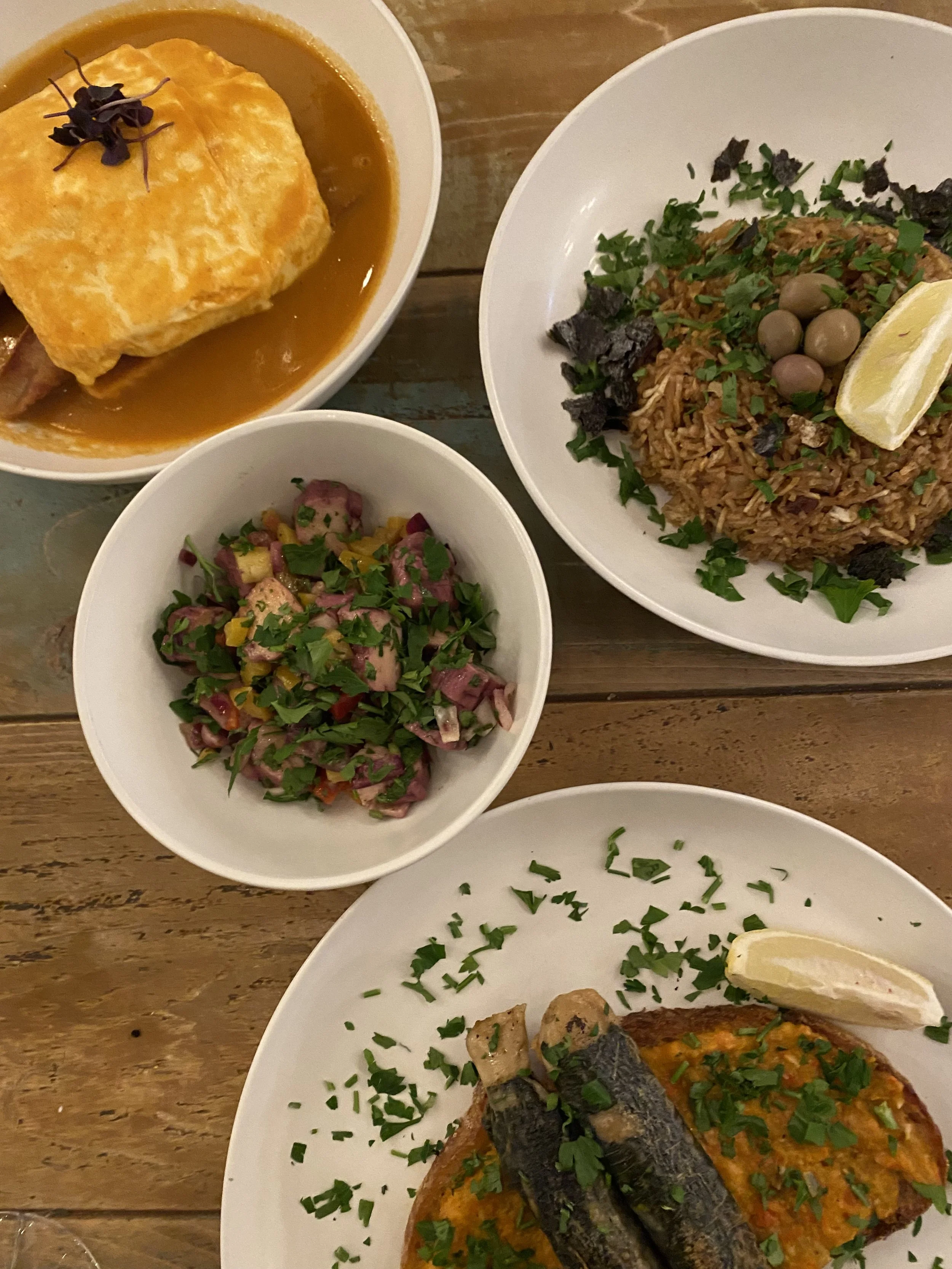
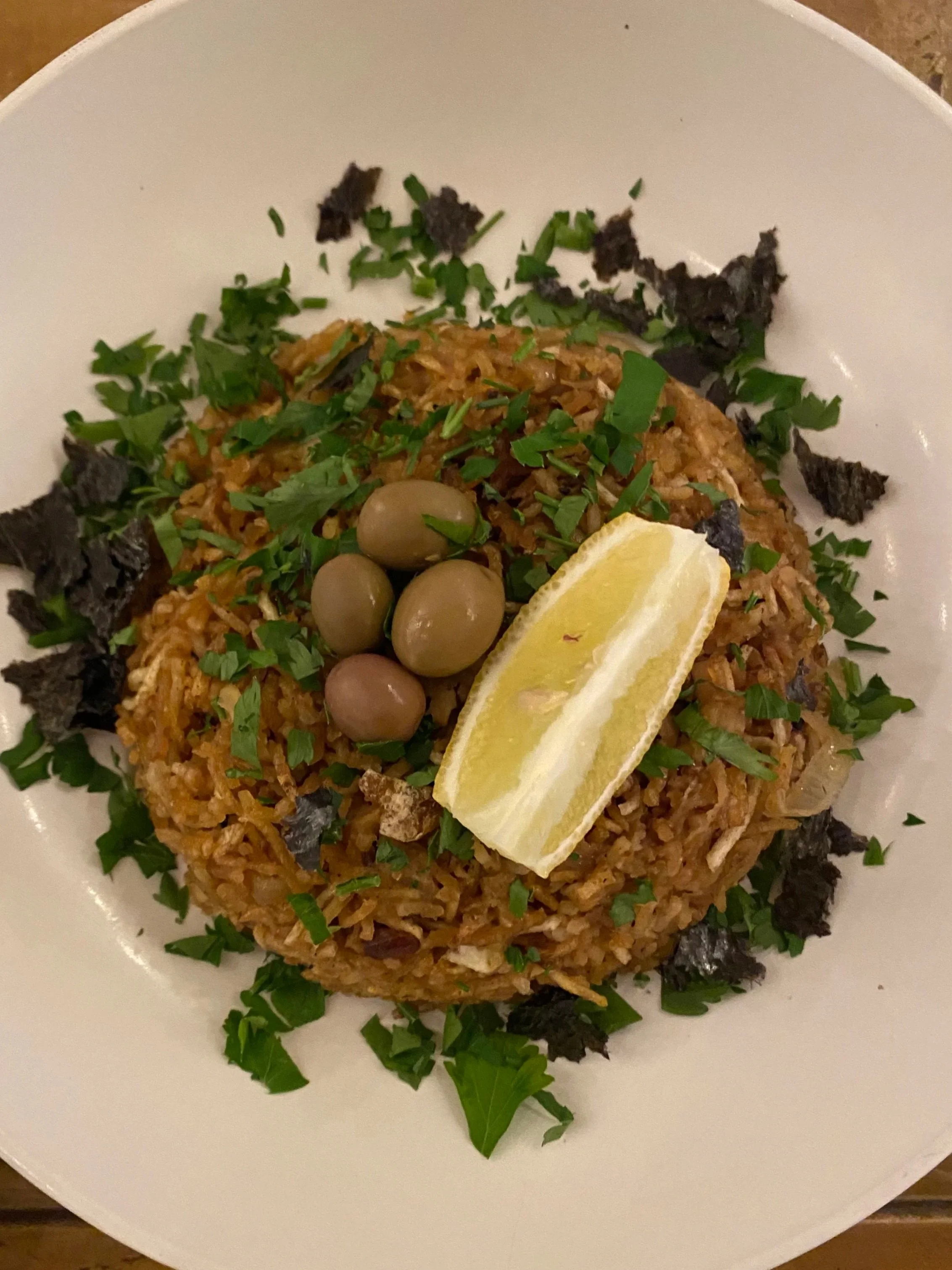
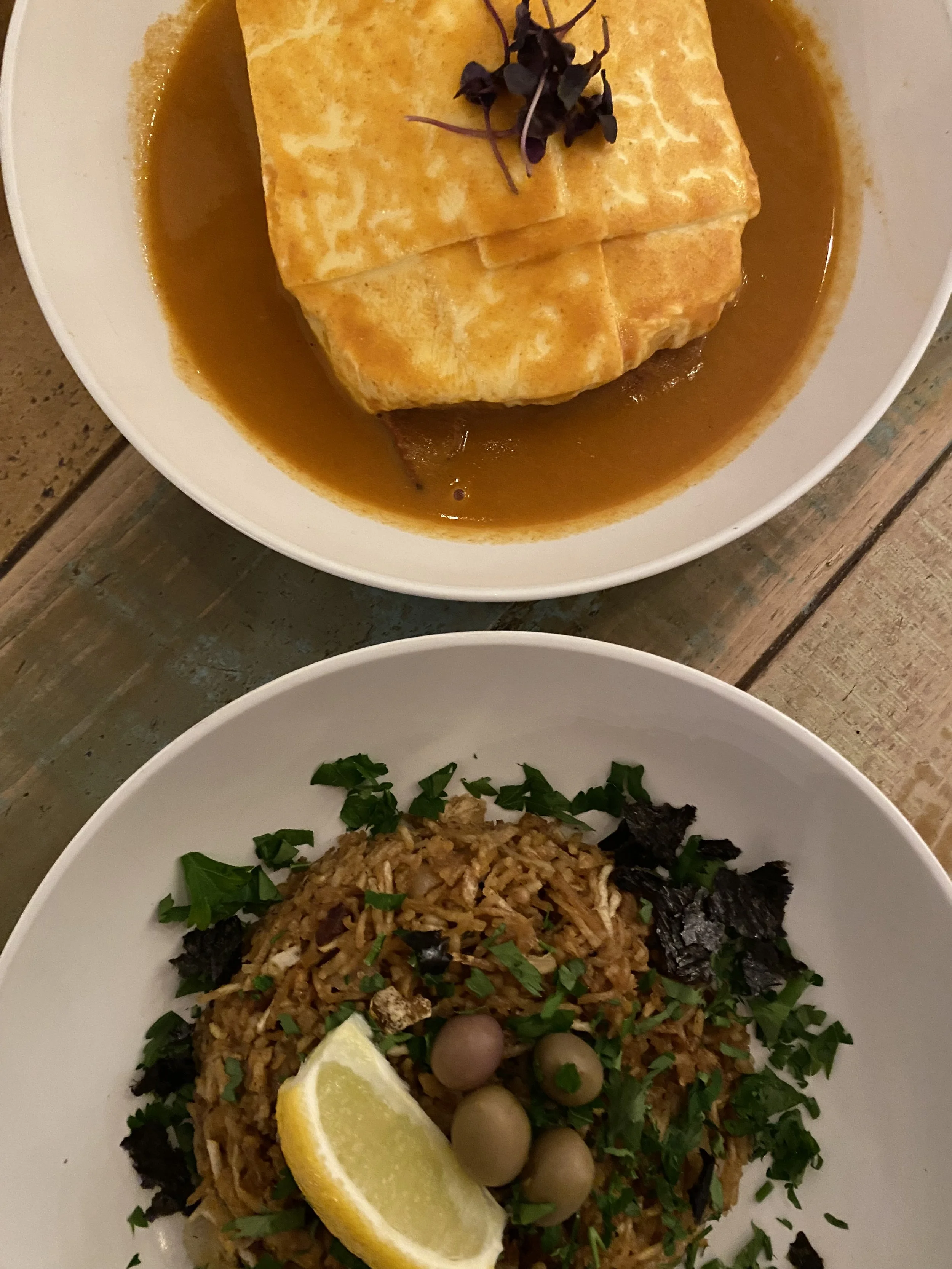
Tiago has now veganised his childhood favourite, swapping the egg for vegan cream and aquafaba (chickpea water) to combine shoestring potatoes and a cod alternative. ‘Brás’ is the method of binding all the ingredients together by cutting the potatoes into small matchsticks. To maintain that fishy illusion, salty olives and shreds of nori are also incorporated, with a slice of lemon served on top. The dish is homely, comforting and carb heavy, which is why it marries so well with the salada de polvo – octopus salad.
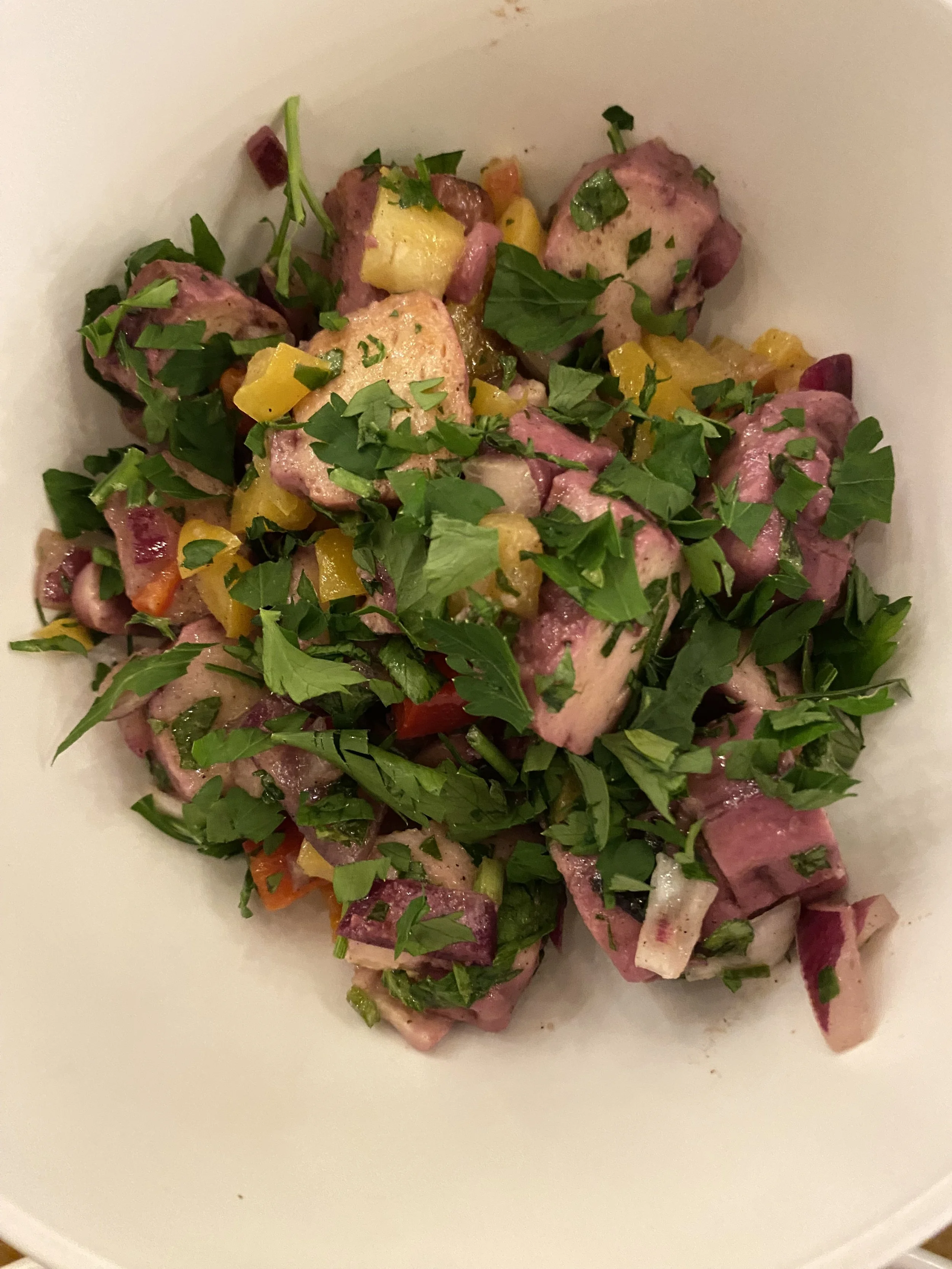
As far as plant-based mocks are concerned, vegan octopus is wild, and I am so here for it. With a purple hue and tentacles that come with suckers, yes suckers, it’s a comically life-like imitation. I love the irony in food shaped like meat, fish, etc. It’s playful, unserious and, most importantly, delicious. The octopus is cut into bite-size pieces and dressed with white wine vinegar, olive oil, peppers and parsley. This fresh, fun salad is one of the many small plates on the menu, and pairs well with the heavier, large plates.
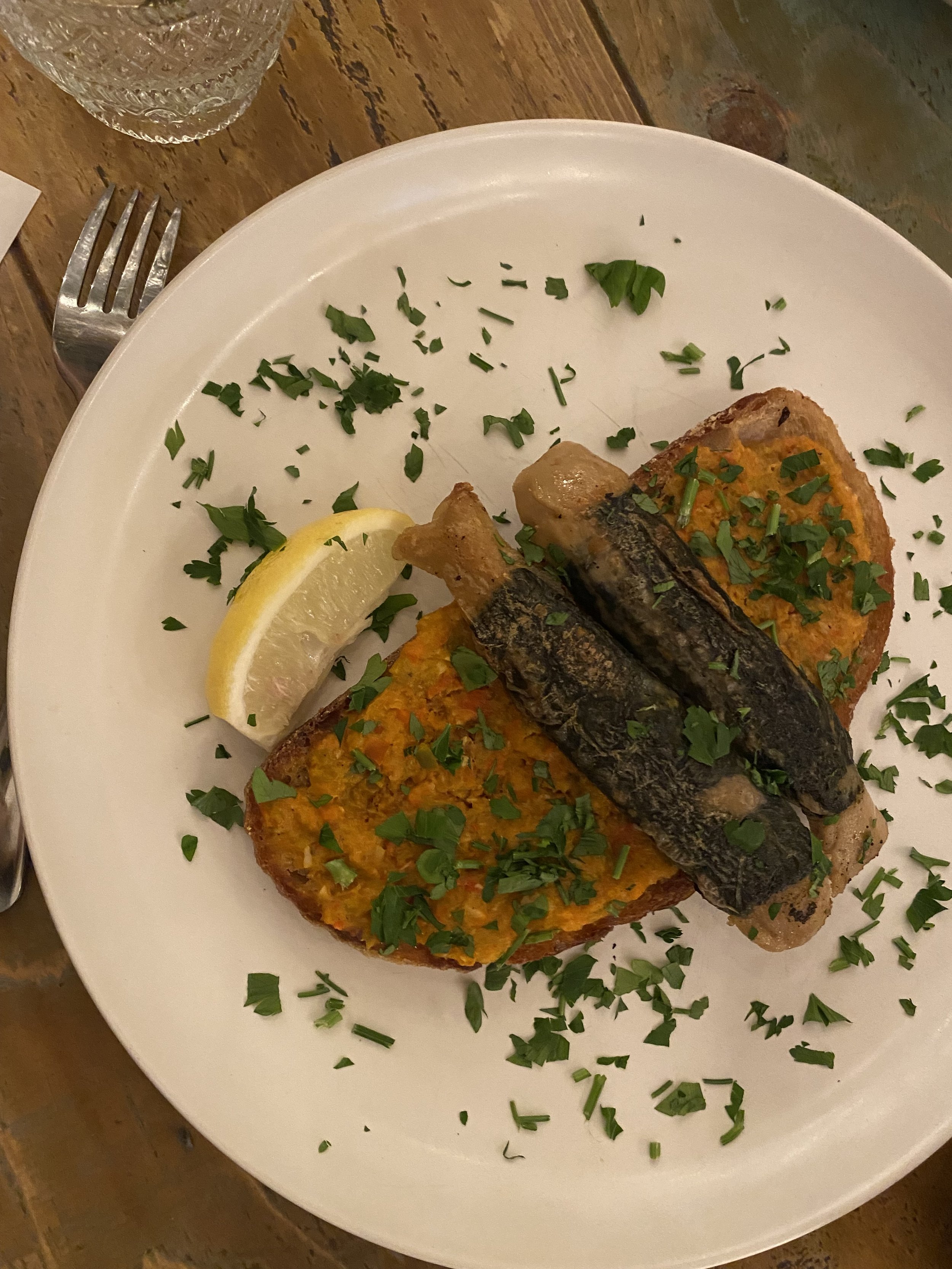
Another small plate we enjoyed was the sardinha assada no pão, the ‘sardines’ on toast. The toast is coated with a roasted pepper spread and topped with tofu and nori sardines. The tofu is shaped to resemble a fish, tail and all. Like the vegan octopus, the visual aspect and imitation is simply fun – a playful simulacrum of fish. You see it and know what it imitates, but you can safely say it isn’t that. Taste wise, the spread really carries this dish, its punchy, slow-roasted and tangy. The tofu is firm and satisfying to bite, with the nori adding a crunch and salty taste.
The mock meat and fish really are a huge focus for Plantugese. Tiago talked to us about the versatility of mock foods and his excitement to replicate more classic Portuguese dishes in the future.
The star of the menu had to be the francesinha. A huge sandwich consisting of thick toasted white bread, sliced cheese and copious layers of meat, all drowned in a thick tomato and beer sauce. The francesinha originates from Porto, inspired by the French croque monsieur, but adapted to incorporate local meats such as linguiça. It also comes with fries, just for good measure. Served hot, the melted cheese cloaks the entirety of the unassuming sandwich. That is until you cut into it... Plantugese’s own version includes a thick-cut burger, sausages and smoky bacon. We were told this dish is basically a hangover staple. Outrageously indulgent and packed with rich flavours, its perfect pre and post night out.
After our meal we sat back with a glass of Beirão, a herbal digestif, smooth and aromatic with spicy notes of cinnamon and anise. It’s a warm drink that goes down with a pleasant shiver.
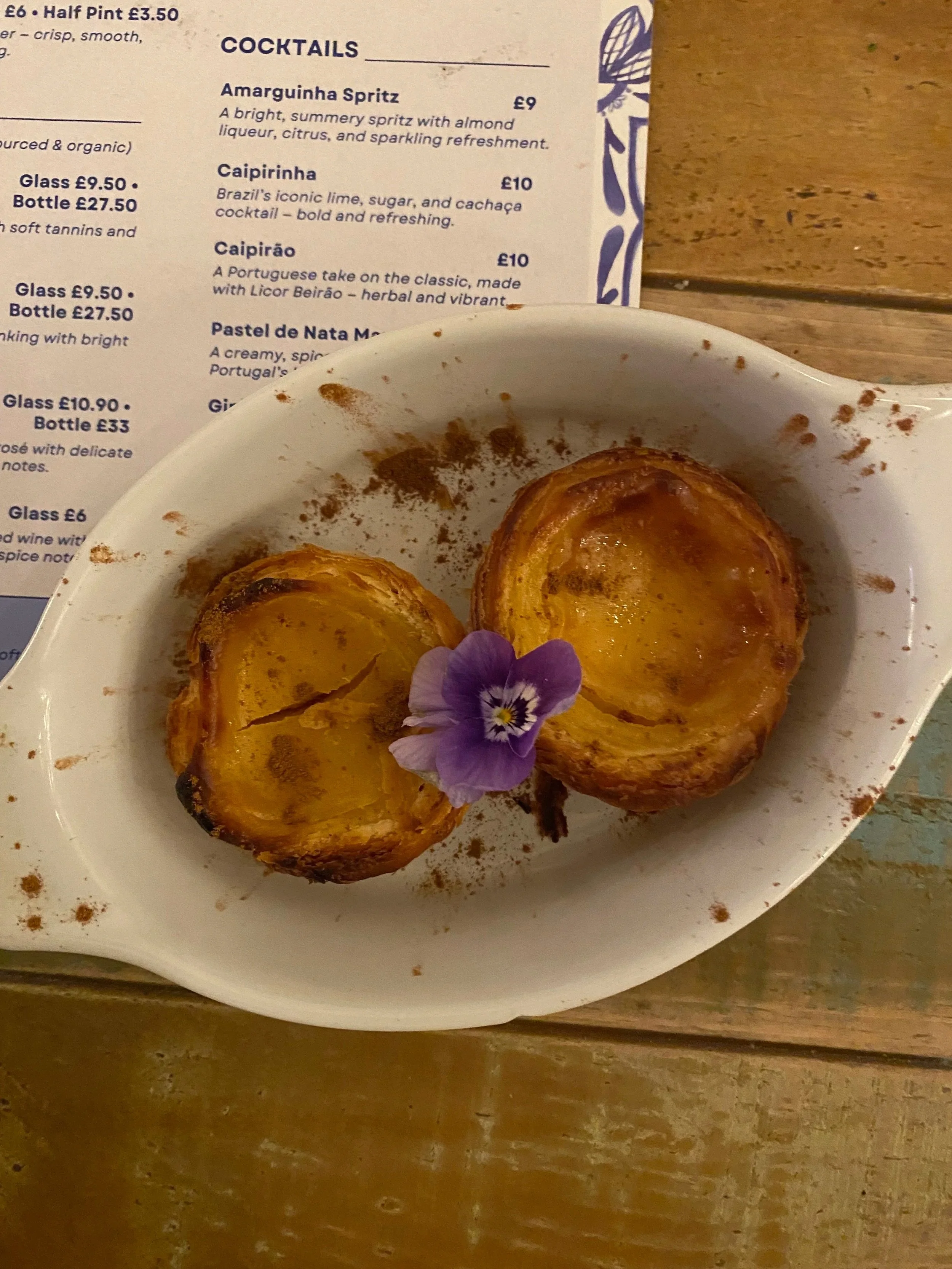
Of course, we indulged in the quintessentially Portuguese dessert, a pastel de nata. A warm custard tart with a gooey, caramelised centre and a crispy, flaky pastry. Dusted in cinnamon, these tarts are small, eaten easily in two bites, but they are seriously sweet.
Tiago and his team are currently awaiting a coffee machine so they can serve hot coffees alongside their pastel de natas. Honestly, I’d be happy to swap a croissant for a pastel instead!
We cannot thank Plantuguese enough for their generosity and hospitality. We are excited to see how their menu is received, and loved, by Bristol locals.
Review by food editor of the Everyday Magazine, Amelia Ling