How It Feels To Outgrow Formative Films: Revisiting The Royal Tenenbaums
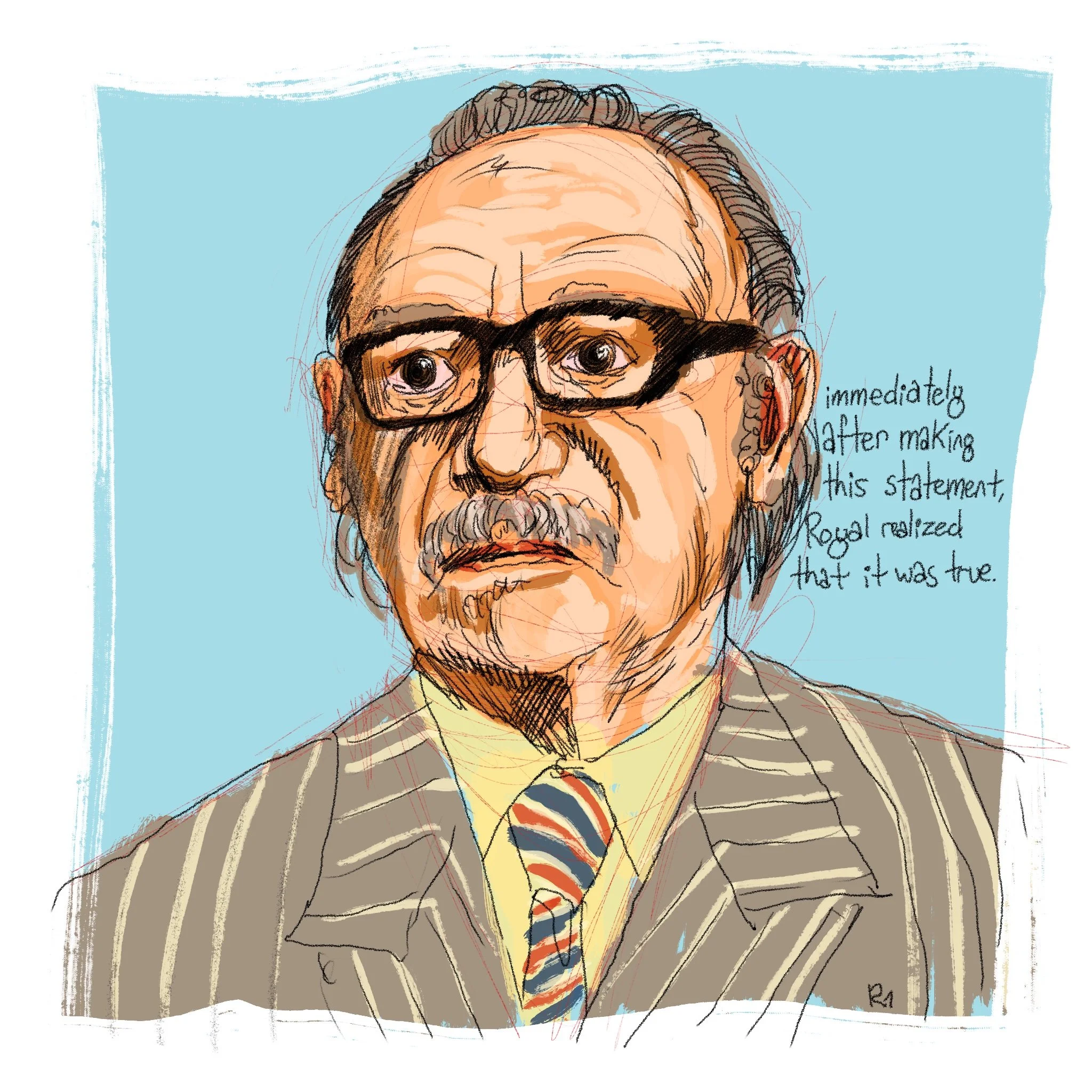
On 27 February, 2025, Actor Gene Hackman’s death was announced. His illustrious, four decade career is littered with classic roles, from comic villain Lex Luthor in the Superman movies, to hardnosed NYPD detective Jimmy “Popeye” Doyle in the French Connection (The latter role garnering him his first of two Academy Awards). His most important role to me, personally, is in his final great movie before his retirement from acting: Wes Anderson’s The Royal Tenenbaums.
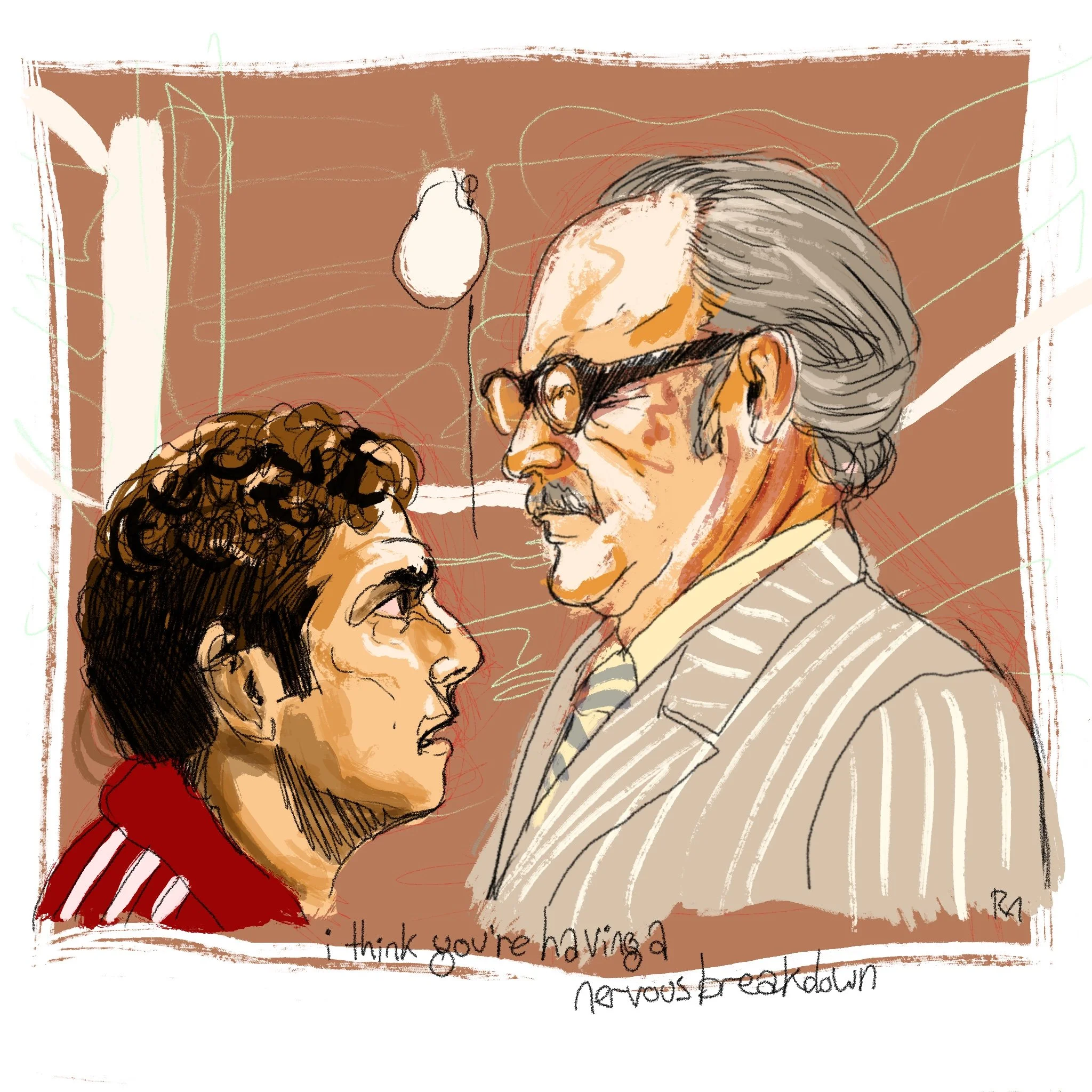
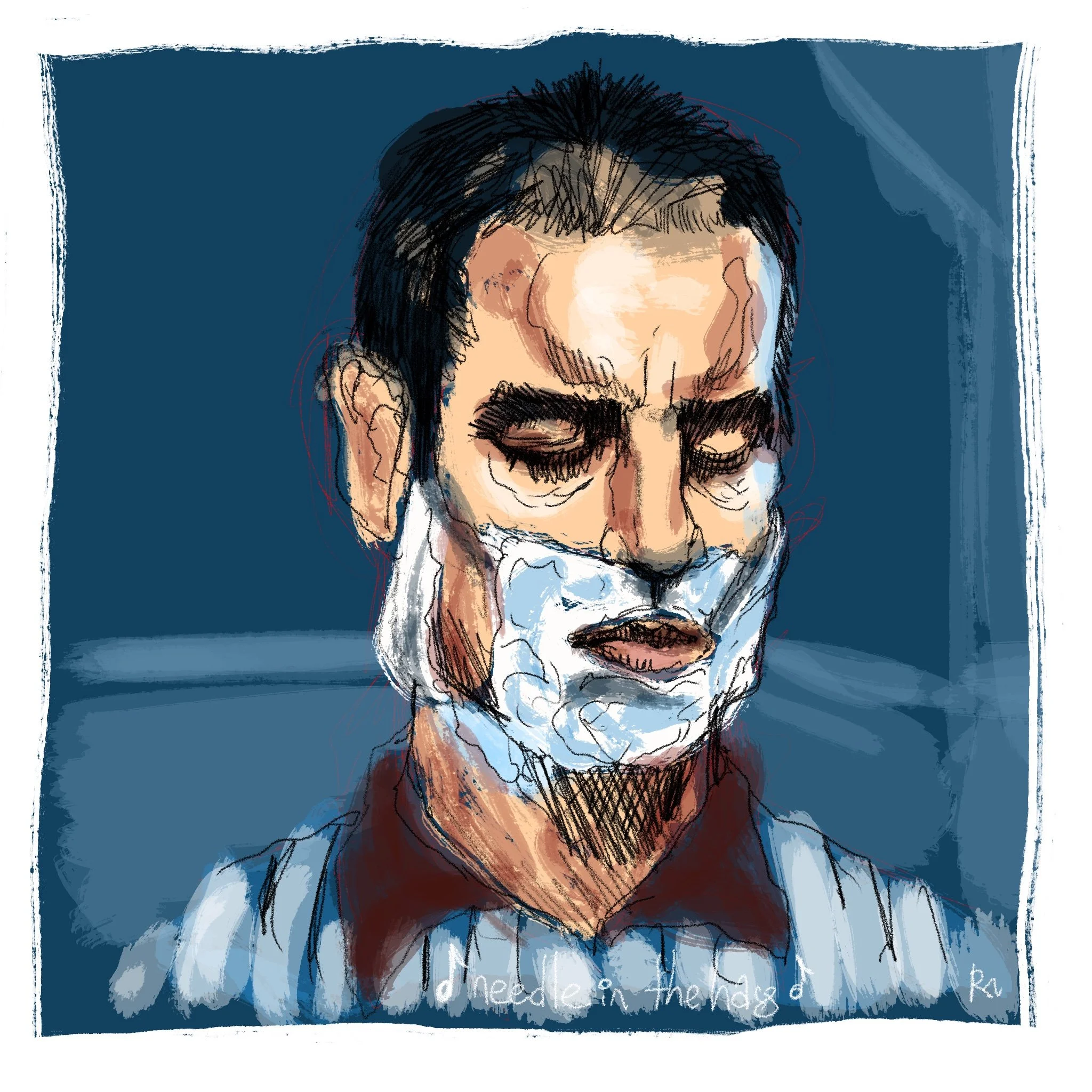
Having first seen the movie in my mid teens, somewhere in the early 2000’s, the movie was fundamental in the forming of my love of cinema. Besides this, I developed some strong emotional bonds over the love of this movie, at a difficult age where such things are pivotal. As such, it has held an important place in my heart ever since. The movie existed in my regular rotation, but has been slowly dwindling over the years, but its importance has never faltered for me. I took the death of Gene Hackman as an impetus to rediscover this crucial memory.
For those unaware, this movie is the tale of Royal; an ageing, disbarred lawyer and ostracised father, trying to reunite with his family through the sympathy of a suspicious cancer diagnosis. He is the father to Richie (Played by Luke Wilson), Chas (Ben Stiller), and the adopted sister, Margot (Gwyneth Paltrow); three child prodigies whose talents have atrophied through neglect and trauma.
Upon starting this movie in early March, I couldn’t help but feel that something had changed. Initially, I was struck by how much grimier it is compared to later Wes Anderson movies. It had the feel of an earlier time; reminiscent of the New York of the 1970’s. I don’t know how much of this was based on this being an early movie in his career; his third feature, after Bottle Rocket and Rushmore. As such, his style will not not have been fully cemented. This could also have been an intentional homage to the gritty, New York based cinema, such as Taxi Driver, The French Connection, Once Upon a Time in America, etc.
It was interesting to consider the more grounded feel of this against his later, more technicolour works, but the real issue I felt was in the structure of the movie. Whilst there is everything within the movie necessary for a compelling story, it quickly became distracting how isolated every scene felt. It felt as if every single element, from the scenes to the shots to the lines spoken, felt designed, primarily, to be viewed independently, and their place as a cohesive narrative to be more of an afterthought.
This could be attributed to the director’s homage to European cinema, such as French New Wave and Surrealism, with less objective forms of narrative. The structure is one less of a story being told, than of one being remembered. I found the experience of rewatching it to be markedly less enjoyable than that of remembering having seen it. Upon realising this, it is hard to think that this was anything but intentional.
I think a lot of this is effect also down to the soundtrack, though. I can hear any of the tracks from the movie, and have that scene in my head, clear as day. Music has such a Proustian effect on memory and, when a movie’s soundtrack is built off distinctive songs, it is hard to think of each scene as not being tied to said soundtrack. In turn, this will make each scene into its own independent object, both in viewing and in memory. If I was to think of another movie that would have a similar effect, it would be the Coen Brothers movie, O Brother, Where Art Thou?, in how deeply its music is woven into the scenery. Potentially, if I were to rewatch that (which I haven’t in probably as long as it took me to watch this movie again), it would have the exact same effect.
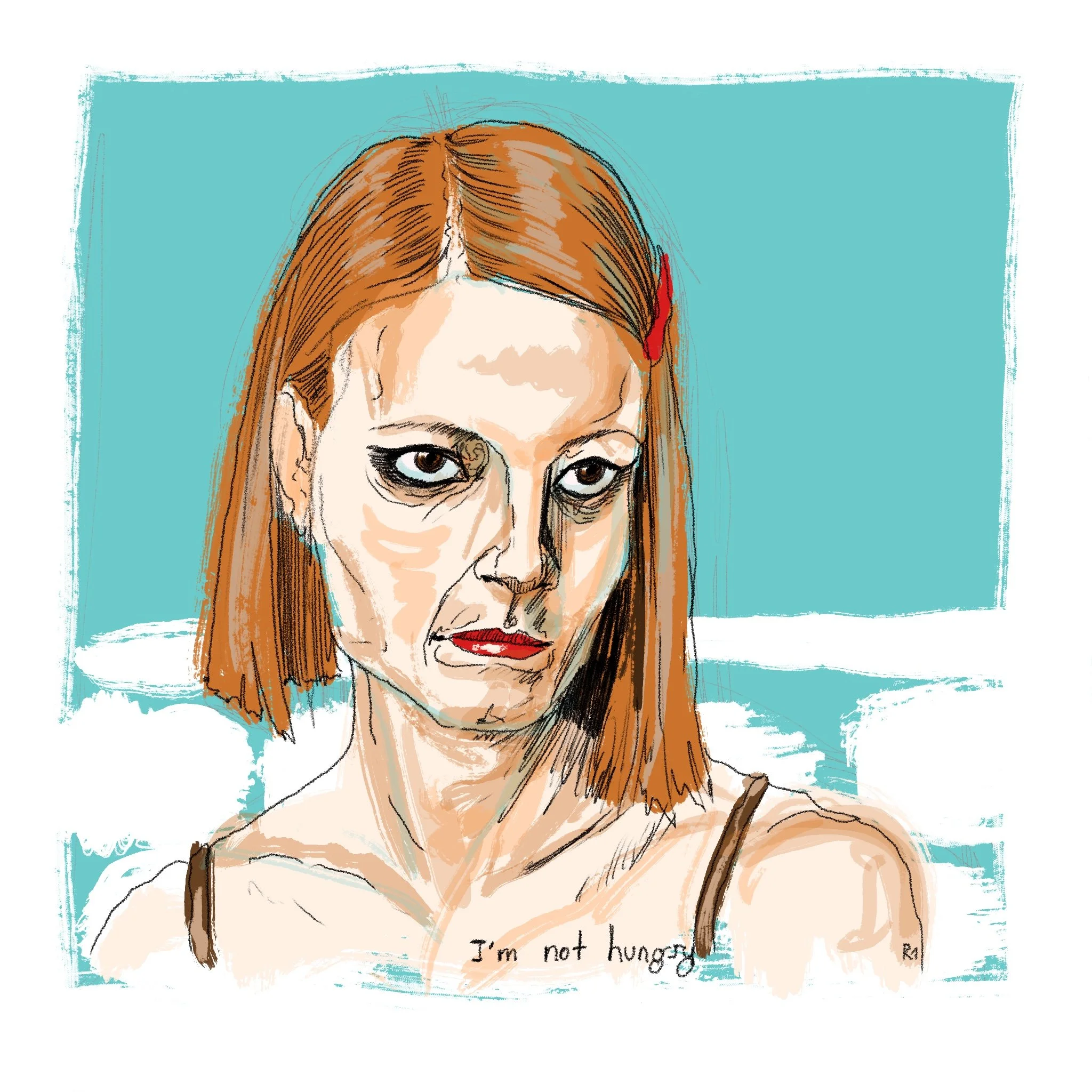
It is, admittedly, unrealistic to expect that any piece of media’s intended form of interaction is through something so ineffable as the third hand filter of memory, particularly when the direct presentation is far from experimental. Genuinely, though, that aforementioned sense of fragmentation to the narrative creates an uncanniness that necessitates an external system to distill its messages to a more palatable and relatable form. This atmosphere of separation leans heavily into the ideas of nostalgia, a concept which feels fundamental to the story being told.
The question of intent seems somewhat irrelevant, though, in the grand scheme. In the nature of the interpretation of a work of art, the author’s intent does not necessarily need to align with the received experience. I feel that it is a case in favour of the power of a piece of art for it to resonate with its audience in such a way that they are able to relate to it in ways entirely unintended by the artist.
It could also be said that it is my memory that has separated off each scene. It is like its continued place in my subconscious has turned each scene into a jigsaw puzzle piece, that I am having to reassemble as I watch it. The movie existed almost exclusively as a memory since early watches. When it has been watched since, it has pretty much exclusively been as comforting background noise. It is entirely possible that it has led to a more fragmented recollection that exists in opposition to the experience of actually absorbing the piece as an independent whole.
It is difficult to make peace with this experience, and my now fundamentally different feelings on the movie. Whilst it is definitely fascinating to think about my new appreciation of the themes, and this may mean that the piece will continue to have a positive place in my heart, but there is no escaping the feeling that the peace of the nostalgia is now tainted. Said peace is a fixed point, and contingent upon either keeping one’s soul anchored to that point, or to maintain a distance that never allows its source to be experienced directly. What this does leave, though, is a peace at knowing that I may have changed enough to not feel the comfort, with an undeniable grief at having lost what was once so important.
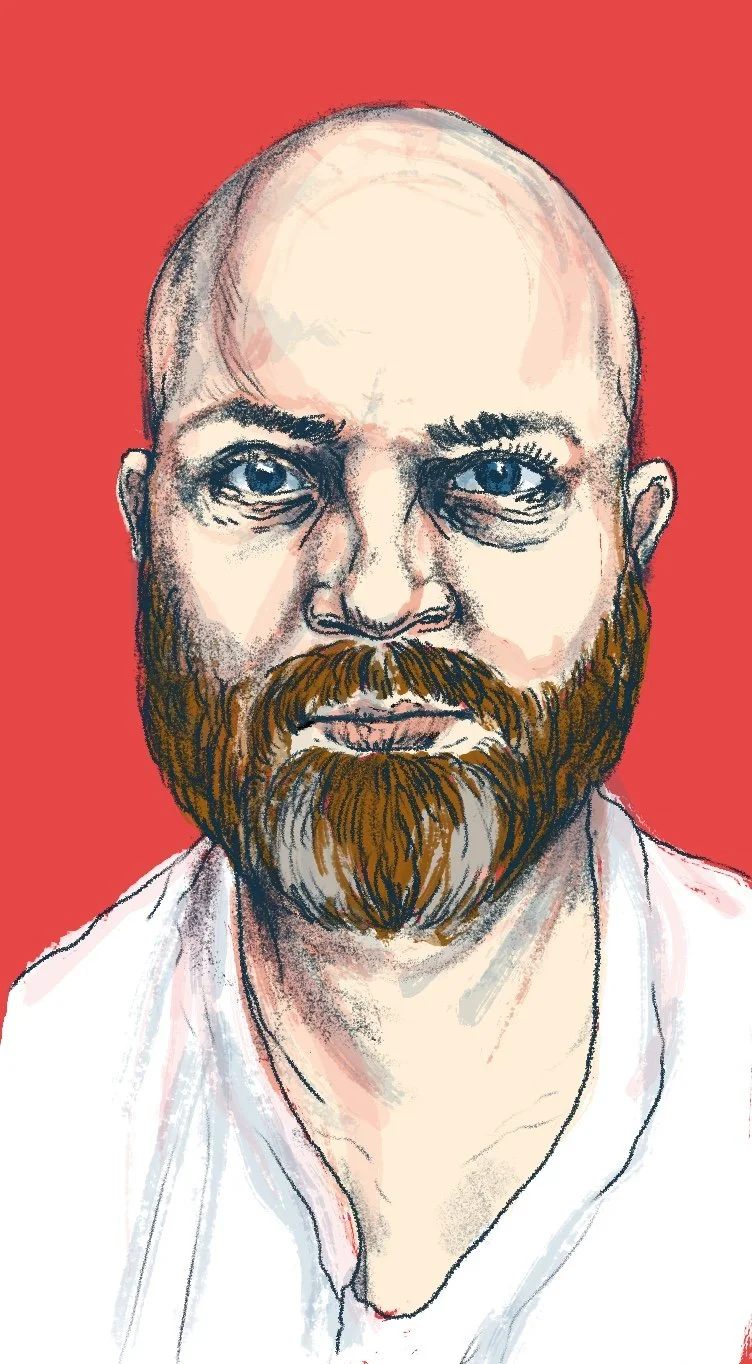
Illustration and words by Robert Maltby
Robert Maltby is an illustrator, painter and writer from Lancashire, currently based in London. He makes a living as an urban gardener and lives with his fiancée and young son. He creates posters for comedy shows and gigs in his spare time.

Recipe