2026 Food Trends: solo dates, beans and fibremaxxing
The idea of food as a trend is just perfect. Food is an ever-swinging pendulum of the delicious, playful, and ridiculous, pushed by cultural curiosity and our desire to reinvent or simply rebrand. Look around and you’ll see food trends everywhere. In the basket of the guy queuing beside you at Tesco. The recipe your mate sends you on Instagram. That pasta your colleague has for lunch. Everywhere.
Considering we’re already a quarter way through the year, some of these trends are in full-swing, while some have been on the rise for the past few years. Warning: a scary number of these trends are to do with fibre and the gut (very trendy).
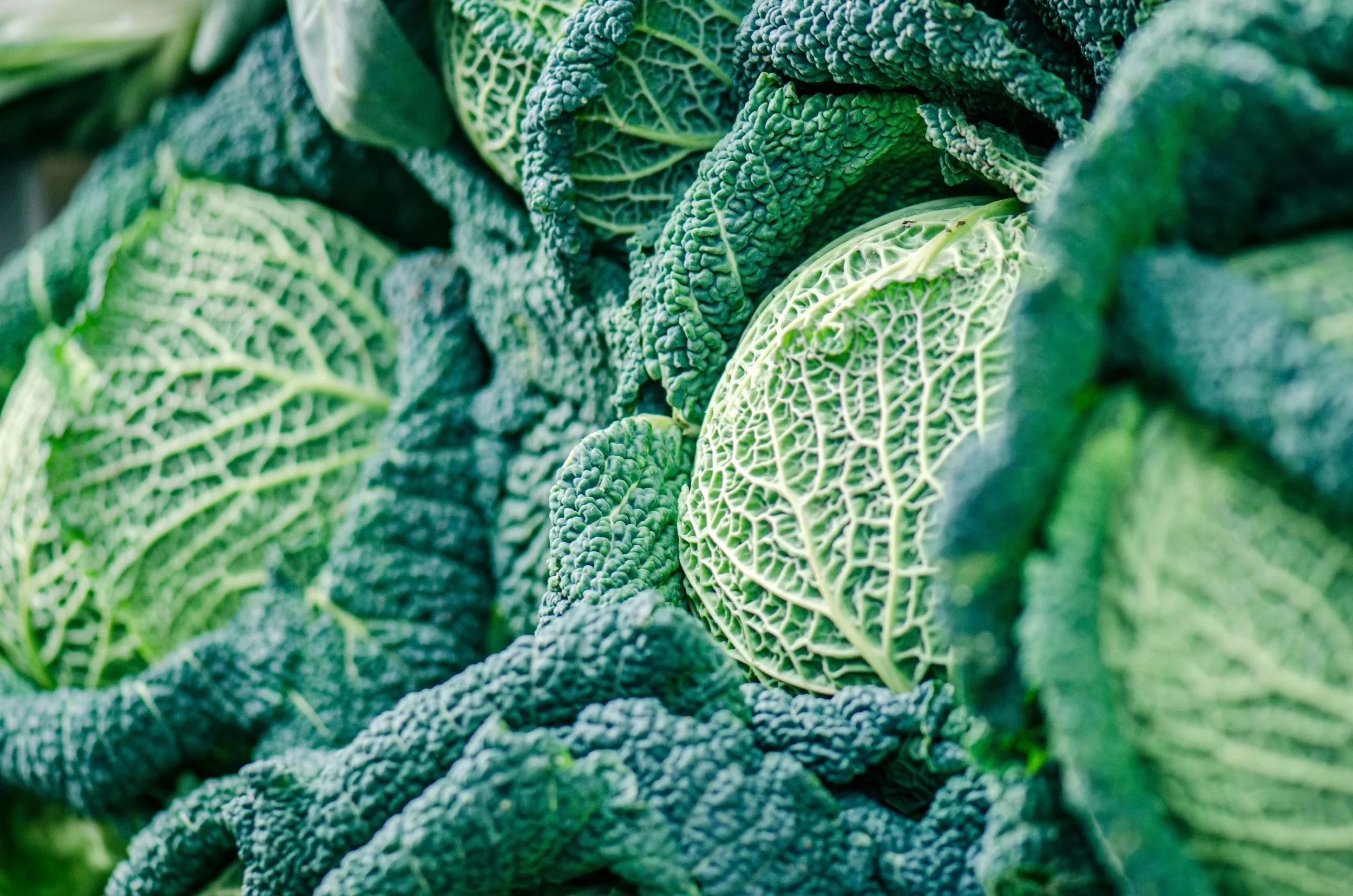
Cabbage: delicate, sweet, hardy, peppery, versatile, ever in season, and in countless varieties. Not only is cabbage a trend, but 2026 vegetable of the year. Or so people are saying. Don’t get me wrong, those who have not yet appreciated the humble cabbage will surely get their comeuppance. But, in the last few years, cabbage has been rebranded from homely, vegetable next door, to trendy and chic dish. (A roasted, pointed cabbage, quartered and dressed in butter). Now, cabbage has been eaten globally for centuries, think kimchi, coleslaw, cabbage rolls and stir fry, so why the fuss?
Fibremaxxing. Yes, you read that right. The resurgence of cabbage, like many trends, can largely be thanked to social media and TikTok trends like ‘fibermaxxing’ which was started to encourage the consumption of high fibre foods, like cabbage, and help promote good gut health. A funny name with good sentiment. I’ve even seen the phrase ‘cabbagecore’ being thrown around... Anyways, cabbage is cheap, low in calories and incredibly satiating due to its high water and fibre content (hello, fibermaxxing).
Fibre aside, the rebrand of cabbage is confusing. Although recently adopted by UK and US high-end dining, cabbage has an impressive global reach and was first cultivated in the Mediterranean around 4,000 years ago. Cabbage is no stranger to, well, anyone, but according to Pinterest’s 2026 predictions, there’s been a 110% increase in searches for ‘cabbage dumplings’, 45% for ‘cabbage alfredo’ and 35% for ‘fermented cabbage.’ And if you thought cabbage was simply food, think again. Pinterest’s very own board, ‘Cabbage Crush’ is a fever dream of cabbage bouquets, table settings and crockery.
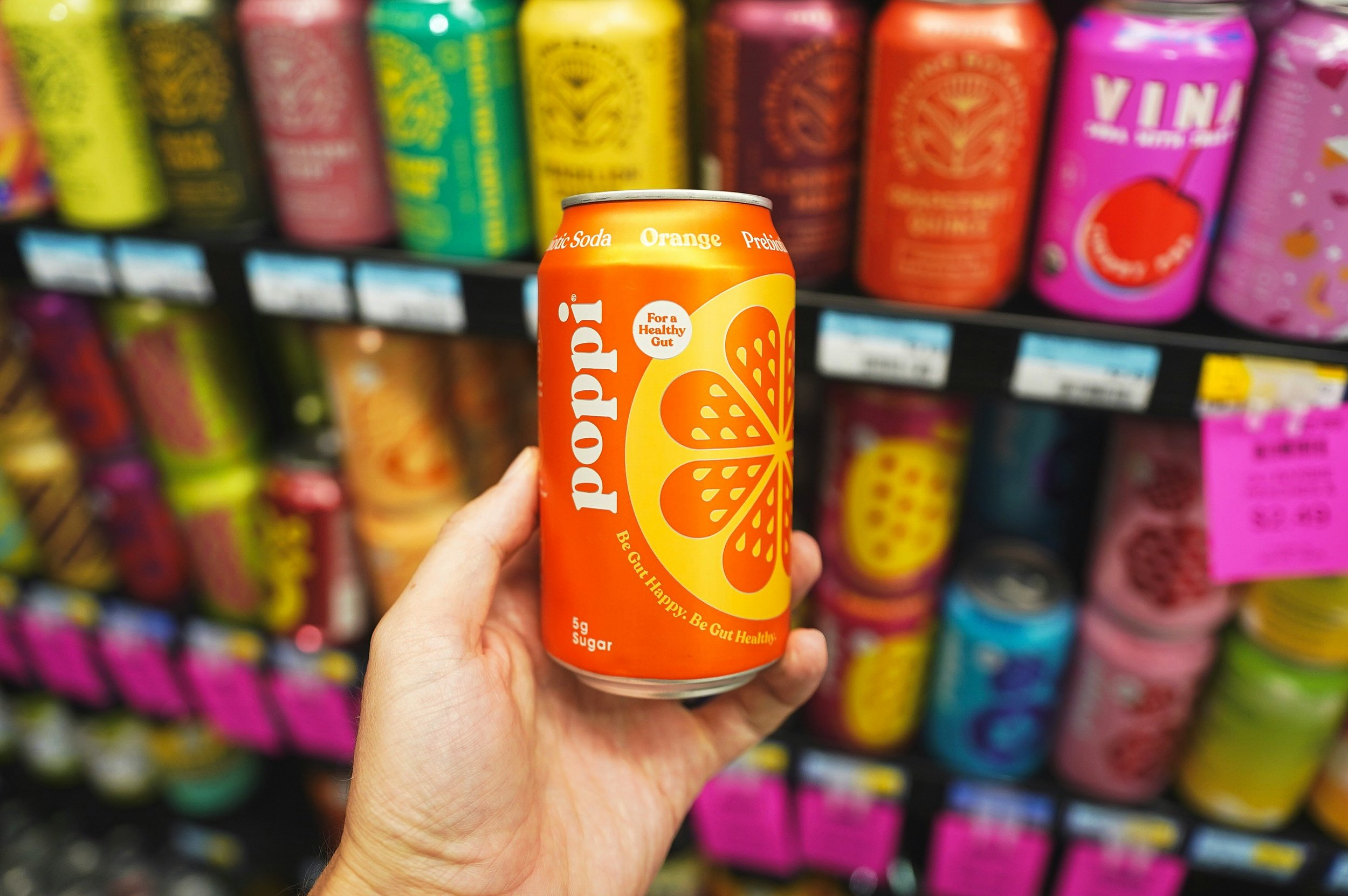
Next up is functional drinks. Drinks that taste great while also promising benefits such as relaxation, energy and better health. Think kombuchas, mock-tails and CBD infused drinks. In 2026, many people are replacing their standard can of pop for probiotic sodas. These drinks are infused with ‘good bacteria’ to help increase the number of bacteria in your gut.
The boom of gut health drinks is a response to early research into the ‘mind and gut connection’ and how our diet affects our microbiome. This connection (very simply put) is about how the brain and gut send signals to one another. These signals can influence our mood and digestion. They can also help explain how our diet directly impacts our mental health and vice versa. For example, why many people with anxiety or depression also experience IBS or why high-stress can cause digestive issues.
Science aside, many of these drinks are also visually stunning. Fun and elevated designs that were once reserved for trendy IPA cans are now decorating natural lemonades and yerba mates. The way I see it, a fun drink is like the millennial joy of finding your name on a coke bottle.
The popularity of these drinks also reflects a change in the way young adults, especially Gen Z, are drinking. A rise in the ‘sober curious’ movement has meant that many people are cutting down on their alcohol consumption, instead opting for drinks that still feel fun and have a relaxing effect.
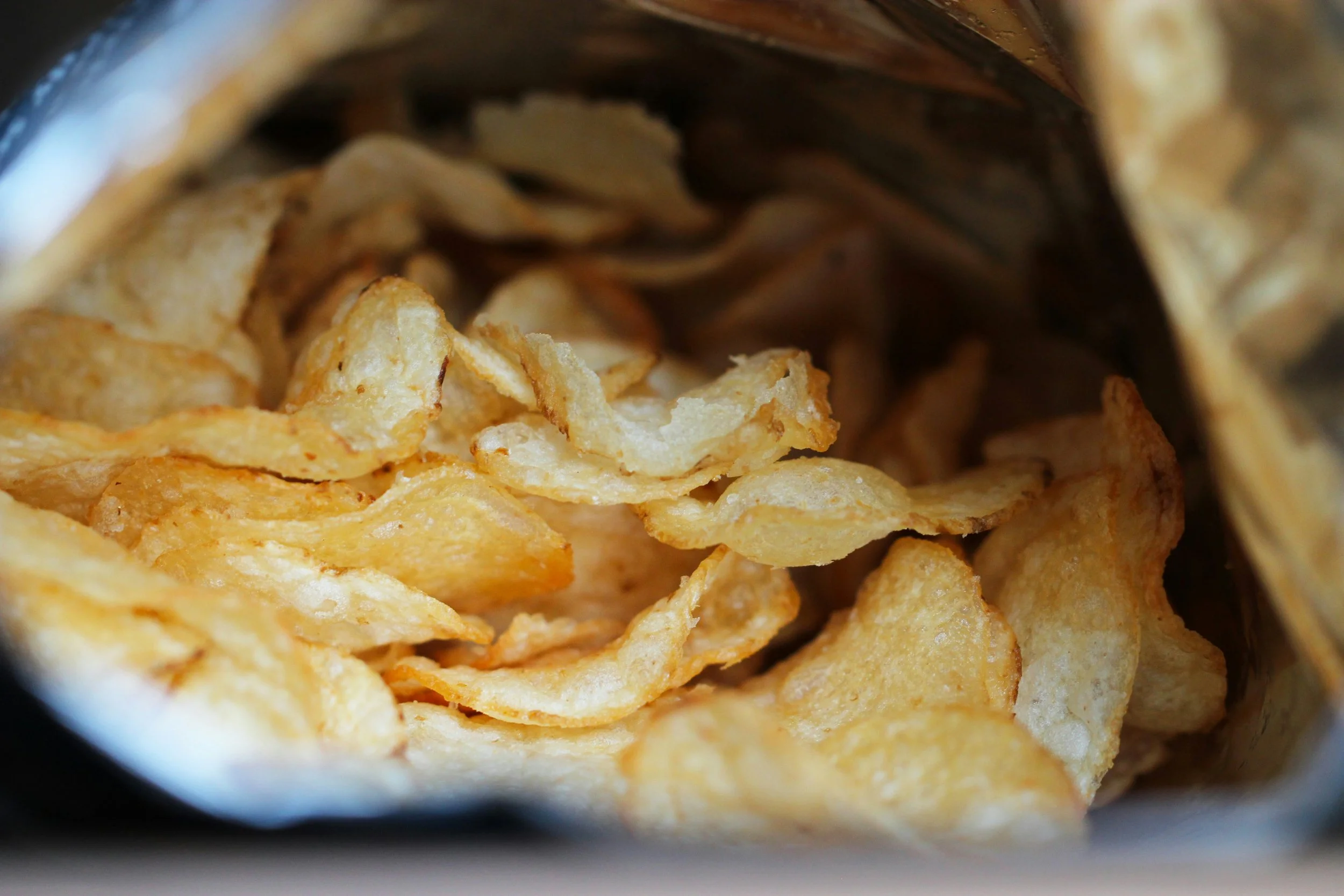
Moving on to posh snacks. Torres crisps, Perello olives and Forest Feast’s chocolate almonds are just a few that spring to mind. These fancy snacks are elevating the experience of everyday snacking, kind of. Albiet delicious, there’s no denying that these snacks are expensive, but maybe that’s part of their allure?
These upmarket foods are often seen as an affordable luxury, a treat that won’t break the bank. Even through the cost-of-living crisis, many brits still choose to buy non-essential food items like fancy snacks. Barclay’s spending data from 2024 showed that over 50% of Brits were happy to spend their disposable income on little luxuries that ‘sparked joy.’ ‘Sweet treats’ such as pastries came in at number one! Other items that ‘sparked joy’ included clothes and beauty items, like makeup.
According to an economic theory called ‘the lipstick effect’, consumers are likely to still buy small, affordable luxury goods, like lipstick, in the face of economic hardship. The theory suggests that one-off, luxury purchases offer the consumer a sense of control and comfort while not really affecting their budget. Maybe fancy truffle crisps, gourmet nuts and artisan crackers are the new lipstick?
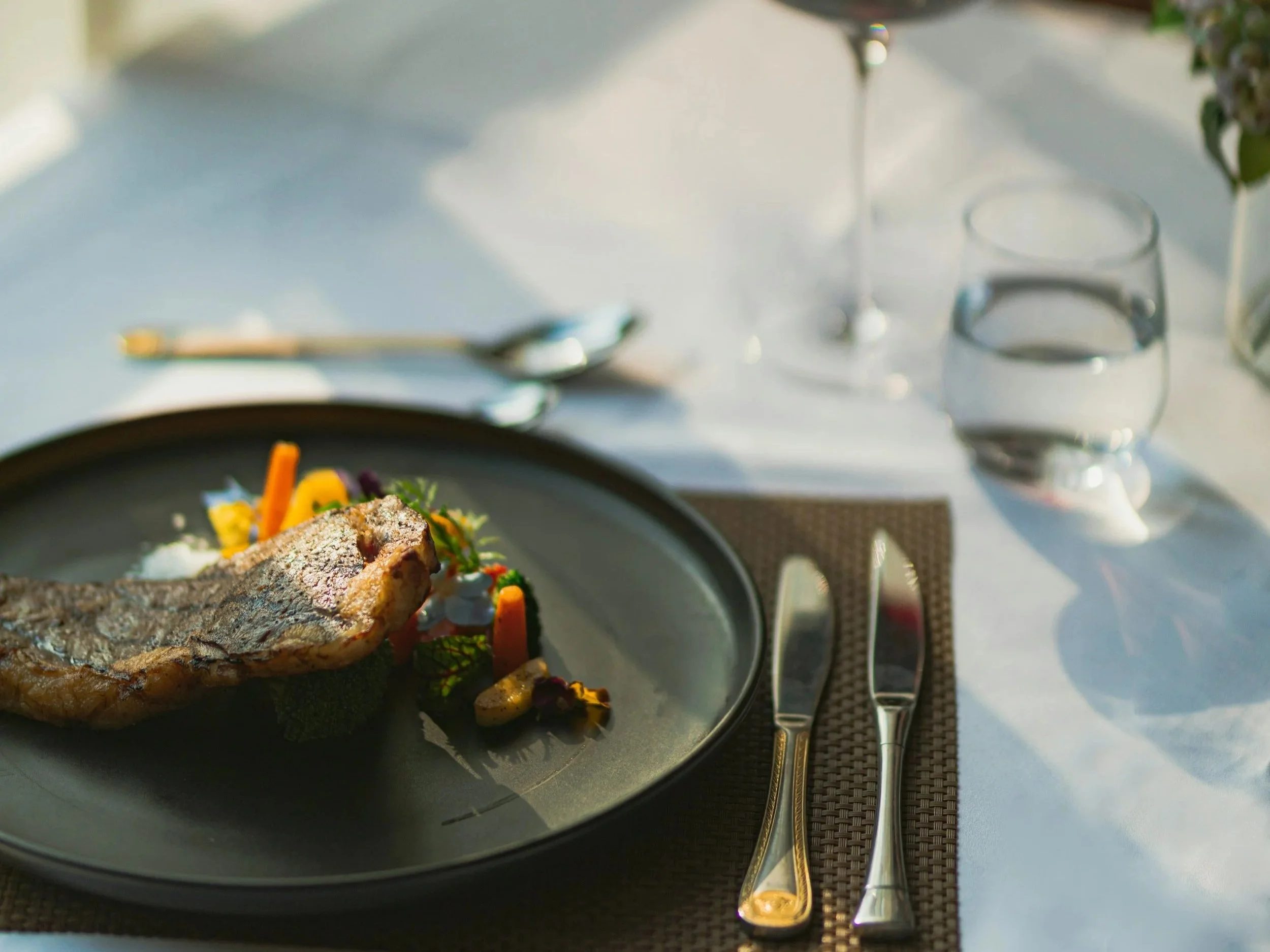
Next: solo dining. Just you, a glass of wine and a couple of your favourite dishes. In the last few years, the solo date has become an act of self-love, a way for young adults to test just how comfortable they are in their own company. The solo date doesn't have to be food-centred, but a table for one can be a great way to treat yourself and practice taking up space. Many are even opting for bar stools and corner tables, not to hide, but to people watch. Why not sit and enjoy the conversation across the room, or revel in the first date at the table over.
No one denies the joy of sharing a dessert or drinking with friends, but there is something empowering and indulgent about a meal entirely uncompromised.
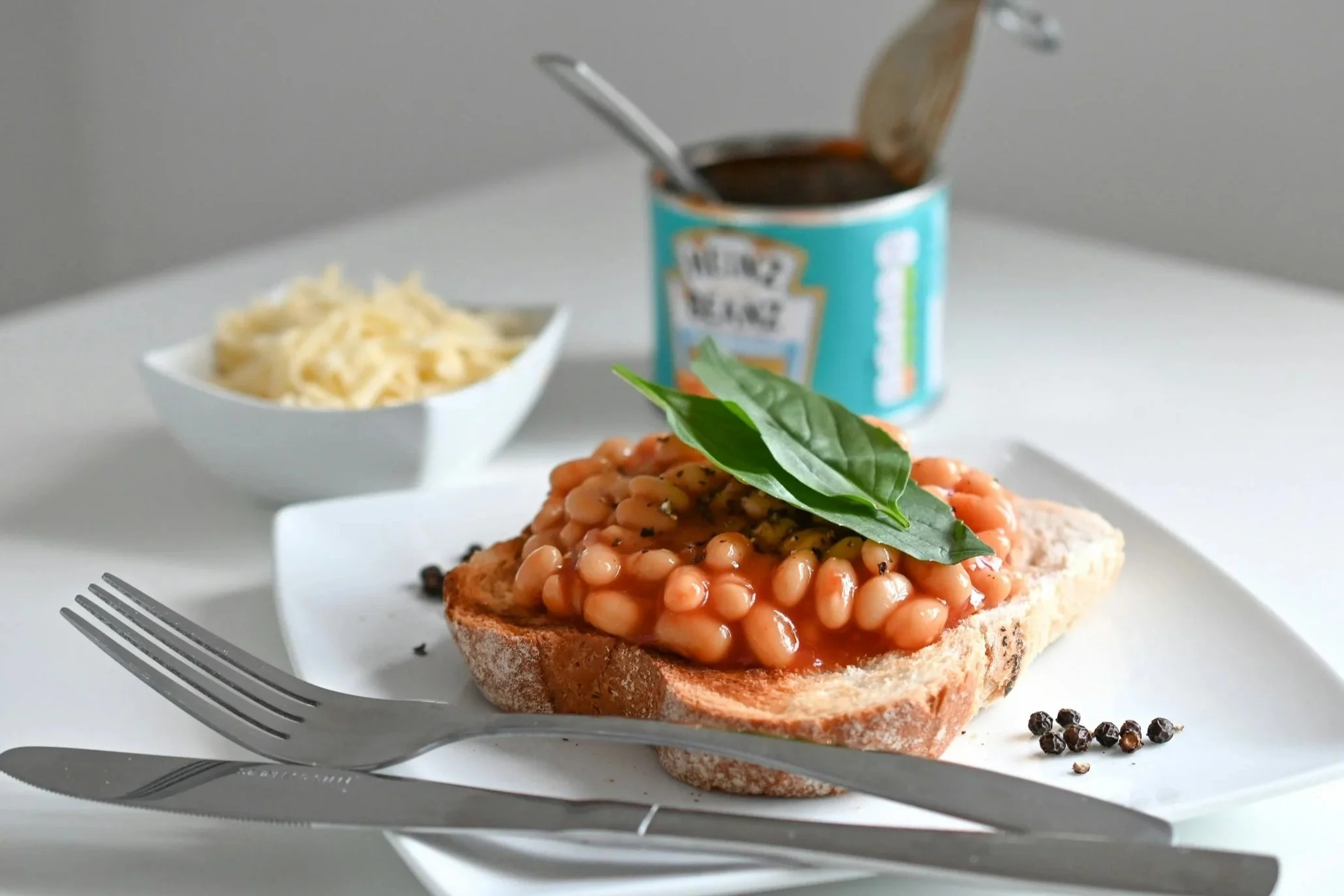
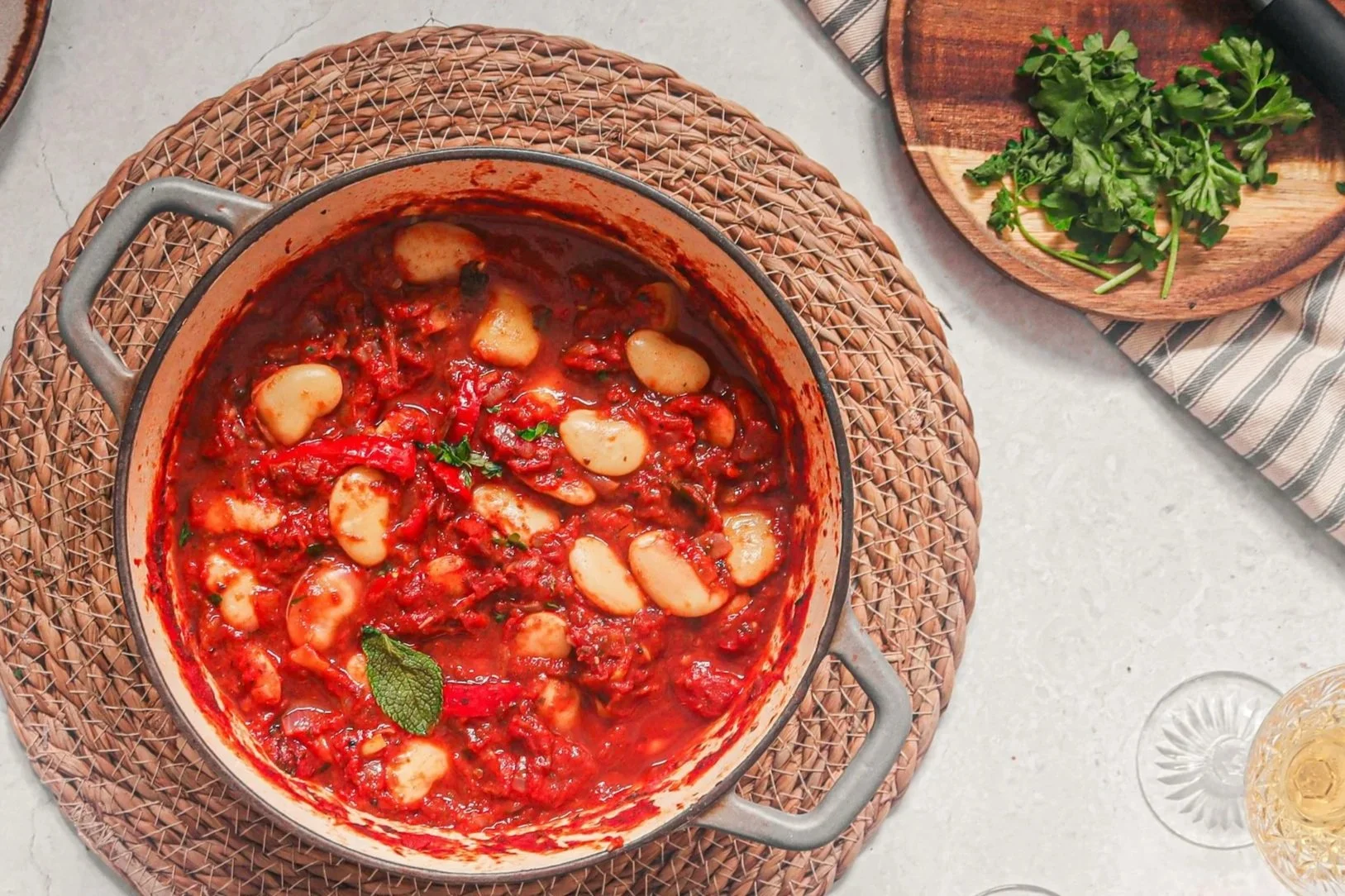
Okay, next is another fibre trend. Beans. Kidney, pinto, black, cannellini, you name it. In the last few years, the popularity of beans has skyrocketed in the name of gut health. Like cabbage, beans are filling, cheap and packed with fibre. The bean boom has lasted for some time now and I think it’s likely to continue, especially with more people cooking from scratch and taking an interest in plant-based recipes. Bold Bean Co seem to have monopolised the bean business lately and have definitely given the cupboard staple a cool makeover. Their strong social media presence, recipes and collaboration with online content creators gives them (and the bean) a hip and trendy image.
The popularity of fibre goes hand-in-hand with plant-based foods like vegetables, beans and grains, so expect to see a large focus on plant-based, wholefood cooking in 2026. Think one-pot, fuss-free, hearty dishes. The obsession with protein is sure to continue but I think there will be a more well-rounded, varied approach to the plate.
Well, that’s enough fibre talk. As it’s only April, I can’t wait to see what other food trends 2026 has in store, later in the year.
Article by food editor of the Everyday Magazine, Amelia Ling