Madeleine McCann Was Reported Missing in 2007. Why Are We Still Reporting On It?
On 3 May, 2007, Gerry and Kate McCann went out for a meal whilst on holiday in Algarve, Portugal. They were 120 meters away from their apartment, where they had left their three children: twins Sean and Amelie, and their three year old sister, Madeleine. Gerry checked on them at just past 9pm, but when Kate went to the room at 10, Madeline was nowhere to be seen.
In the eighteen years since this incident occurred, the case has rarely been out of the press. Despite the absolute tragedy that has occurred, it is hard to argue that the continued fascination on this case is uncommon. Similar cases of children going missing are not unheard of, but none have had a similar impact on the public and the media, especially in the UK. So, why is this the case?
To begin with, most cases are under much more mundane circumstances. Ordinarily, child disappearances happen either at home (in the case of disappearances like Sabrina Aisenberg and Lisa Inwen) or whilst on regular journeys, such as to school (in disappearances like Kyron Horman and Cherrie Mahan). Whilst these cases have had their impacts, such as in implementing the system in the USA of using milk cartons to broadcast for missing children, leading to programs like the AMBER alert system, the cases themselves have not really had the individual, cultural impact.
The closest cultural relevance that a child disappearance has had in living memory is that of JonBenét Ramsay in 1990. The difference, of course, being that she was only missing for seven hours before being found dead. The similarities, however, are much more extensive, being that the murderer has never been found. Not only that, in both cases it has been speculated heavily that the parents had complicity in the disappearance, despite their continued insistence to the contrary, and heavy media presence in appeals for information.
The parents of Madeleine McCann carry a similar profile to that of the Ramsays: They are an affluent, white couple, whose protests of innocence make their guilt seem more apparent in the face of their apparent negligence. What makes the McCanns different, though, as with the difference with previously stated cases, is that they allowed for the circumstances of the disappearance to occur whilst out of the security of a home setting. This perfect storm of a scenario created a desire to see them being outed as responsible.
I feel that another way to view the case’s continued place in the spotlight has been due to the increased presence of the right wing in the last two decades. The rising xenophobia in these times, particularly anti-European sentiments, have made this case incredibly useful to keep in the public eye. Being that this took place in a foreign, European country, and that the main suspect in the case, Christian Brueckner, is a German national, the continued presence of the investigation is incredibly useful as a tool of mistrust of Europe as a positive entity. Whilst it is foolish to say that Brexit, Nigel Farage, and years of Conservative austerity are because of this case, it is one of many little things that can be slipped into the public consciousness to make people that little bit more distrusting of those slightly different to them.
It mustn’t be forgotten that, at the heart of all of this, is Madeleine herself, who fits the mold of the archetype of the Perfect Victim. This is an innocent, blonde, white child, from an affluent background, who has been put into an environment outside of the safety of home, which has resulted in her disappearance. Not only this, but she has seemingly been selected from multiple targets, as both of her siblings were with her in that room, yet only she was taken. This creates a compelling mystery as to the event, as it carries an implication of her being a specific target. All of these factors make her into someone who can be that avatar of conservative mistrust of the foreign. If someone who is so pure and blameless can be selectively taken, then no one is safe outside of their bubble, and this is a really convenient means of division.
Really, though, under everything else, I think that the thing that keeps it going is that it has almost become a game. When presented with a mystery so compelling, people will be unable to put it to rest until it is solved. Every factor, from the unusual setting, to the bizarre parental negligence, compounded by the complete lack of any concrete evidence, will make people treat it like any other riddle to be solved. The truth of the case is secondary to the satisfaction of that missing link potentially being found that will make all of it make sense.
When it comes down to it, it doesn’t really matter who is guilty or what happened, or even Madeleine McCann is still alive, just that we KNOW. What must be remembered, though, is that it is entertainment based off of the life and, potential, death of a three year old child. To turn her into a political pawn, a martyr, or a momentary diversion, when she is someone who, in the best case scenario, has been ripped from her life and family, says a lot about the callousness of true crime as entertainment.
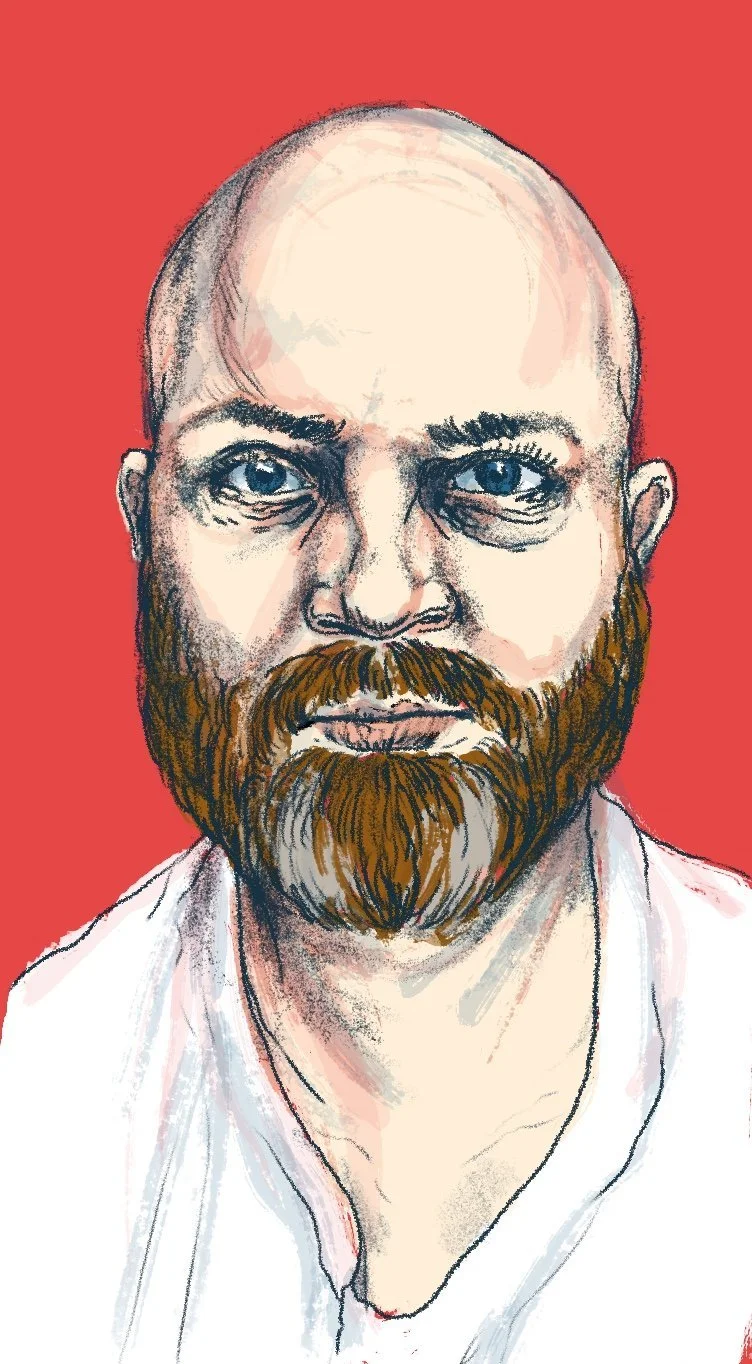
Written by Robert Maltby