Why Strangers Matter More Than You Think: Acts of Kindness & Street Photography
Our existence is constantly influenced by the actions of strangers, and yet we can go most of our lives paying very little attention to them. Society’s perspective of strangers is constantly being manipulated by politics, technology, and the changing world around us. The trend is that the more uncertain people are in the world, the less we are encouraged to trust those that we don’t know. We’re scared of how we’ll be perceived, what they’ll do, what could happen. Our silent social norms keep us weary; head down on public transport, keep your distance from each other, and don’t engage unless absolutely necessary - we enforce the self-imposed isolation. And yet, a growing amount of research suggests casual interactions with unfamiliar people can significantly benefit our well-being, reaping psychological and emotional rewards.
It has become easier than ever to avoid the strangers and fleeting interactions that would traditionally be associated with daily life; the cashiers, retail workers, baristas, ticket officers, and the rush hour commuters. It’s plausible for an everyday person in the 21st century to go about their day, without ever having to interact with a stranger again. This is part of the problem. We need to be even more intentional with time for the people we never intend to know, but only meet momentarily. We must remind ourselves, all the friends we have made along the way, were strangers to us once.
It would appear everything is in crisis; the economy, housing, politics; we must fight a crisis of isolation too. Our world has become increasingly hyper-connected whilst isolation and polarisation are on the rise. We can combat this though! A 2021 study published by Nature Communications [1] showed that brief conversation between people cross-group reduces polarisation and increases our understanding between people of different backgrounds. It is not about coming to an agreement, or persuading others to your side, but expanding our vision of what other people really are. The background characters in our lives are the main characters in their own. Each person is complex, facing their own trials and tribulations that will never be identical to another, navigating the same big world we are. No matter what ideologically is different about us, we are all just as human as each other.
Those who experience micro-interactions, such as those moments we have with baristas, cashiers and neighbours, report greater life satisfaction as observed by Gillian Sandstrom’s 2014 study [2]. Sandstrom has dedicated much of her work to understanding and sharing why these “weak-tie” interactions impact us, and their benefits. Fundamentally, we are social animals, whose wellbeing is encouraged by feeling connected with other people and our environment. A need for a sense of belonging is something we as humans have inherently, naturally, and by interacting with our community, our place in it can become clearer.
In my role as a homelessness housing officer and hostel worker, I regularly interact with people who are going through the worst moments of their life. When I meet clients for the first time, although in a professional capacity, I feel it is my duty to be a kind, welcoming stranger that they are faced with. I am meeting them at their most vulnerable, and it is required that they share details with me so that I can help them. It is through the moments I share with these clients that I truly recognise the impact of small things. I’ve realised most of the impact I make is through being kind, smiling and not judging them.
I wanted to translate the benefits of interacting with strangers into my hobbies, and began pursuing street photography. With any interaction with strangers, there is a fear within us of rejection or embarrassment. Embracing this seems to be the only way forward. So I took that, and ran with it, and attached to this article are various photos I have taken on my journey. All of these people, complete strangers, have shared a small part of their life with me, accepted my strange offer of a photo wherever they are, and continued about their day. Every time I approached them, my fears were more than present, and through perseverance and potentially an active ignorance of my own fears, I accrued my images. Now, I have these moments captured, each interaction gradually erasing away my fears.
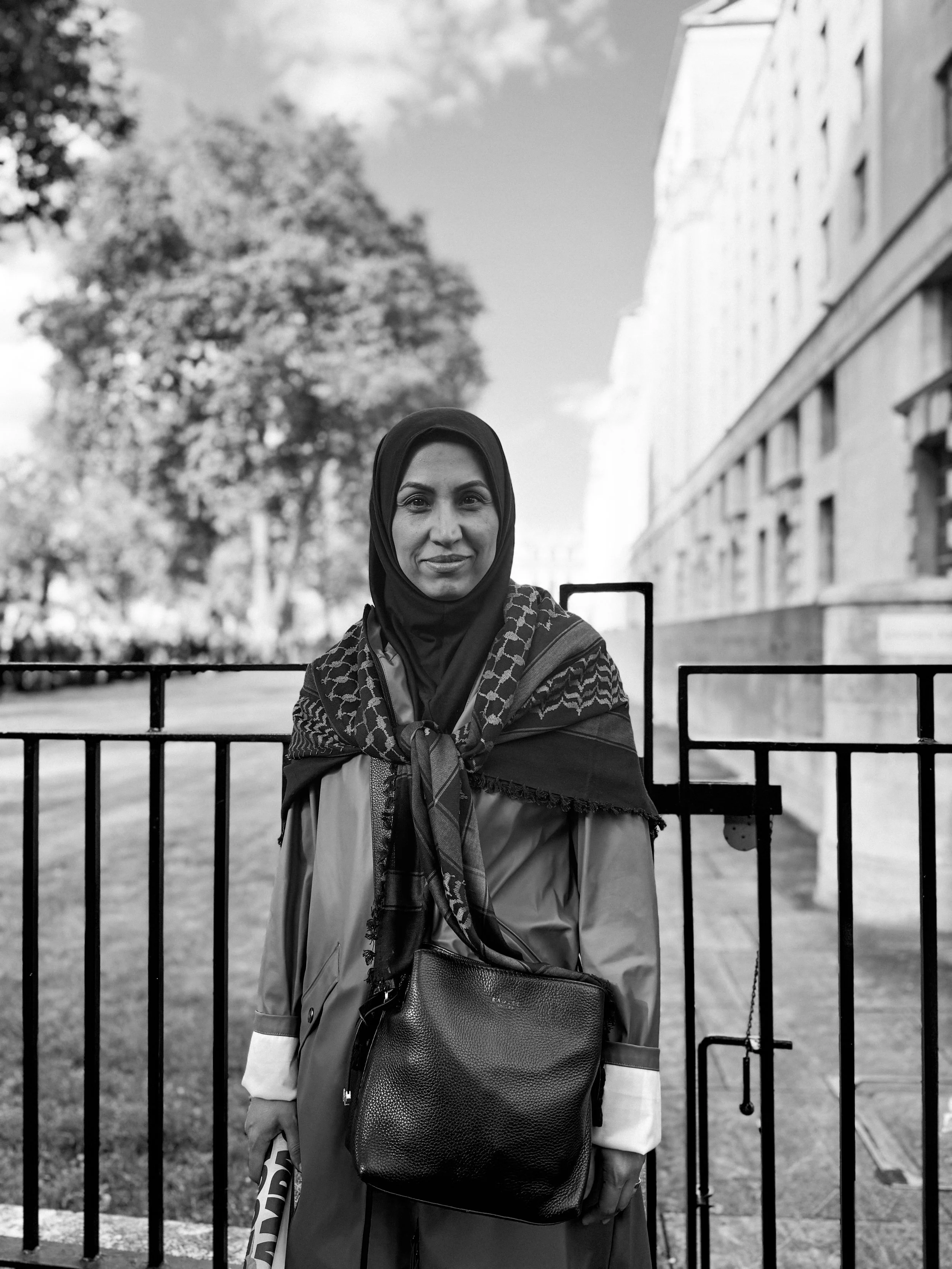
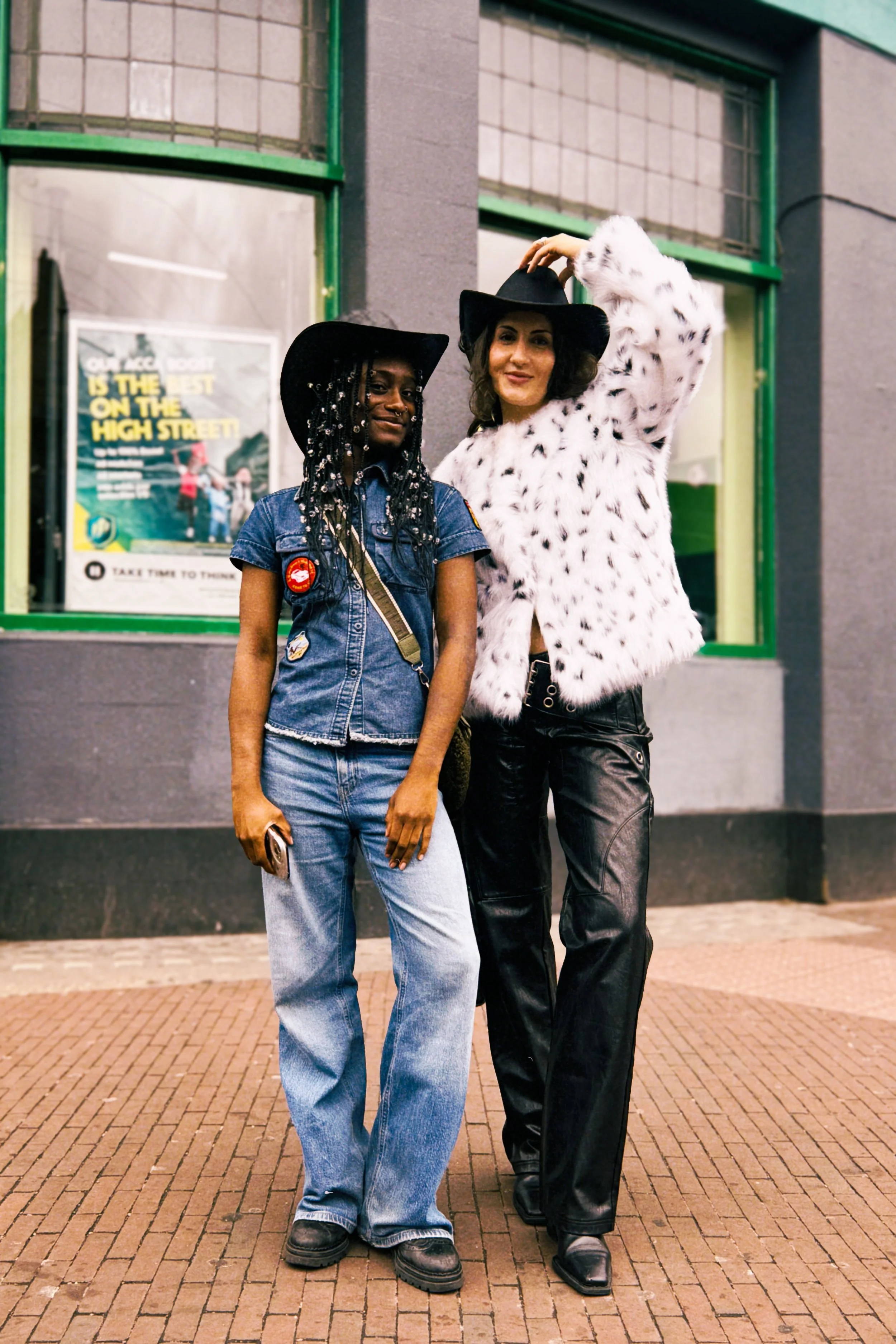
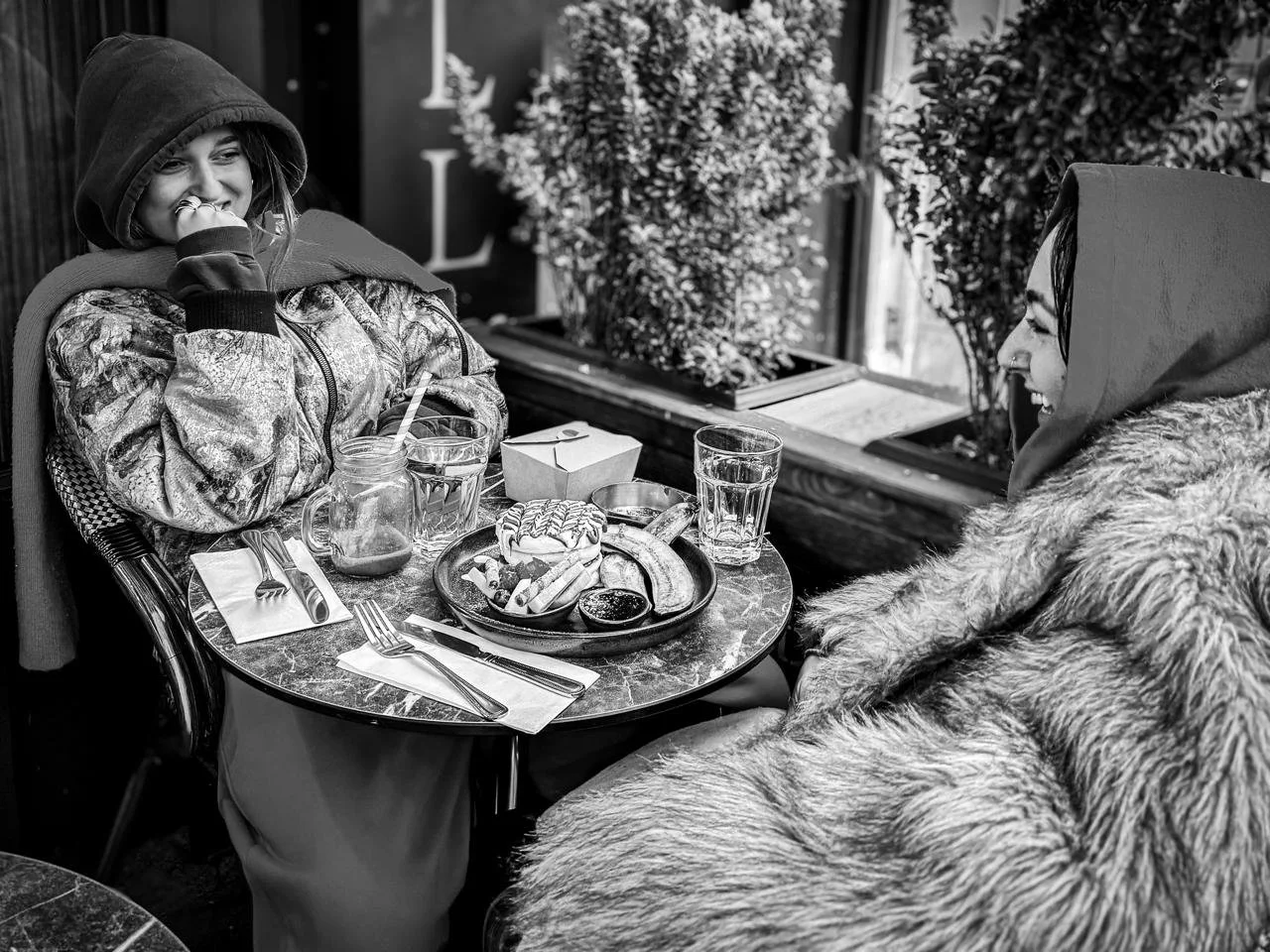
Acts of kindness are a step further. When the opportunity appears, take it. Offer to help with the buggy off the train. Ask if the girl crying on the bus wants a tissue. Life can be hard on us all, so when it presents us with a chance to make a stranger’s life better, even just momentarily, it’s probably worth it, and from the research, it will make you feel better too!
I’m not going to ask you to just take my word for it; there are beautiful, inspiring projects that demonstrate the power of strangers over and over again. Brandon Stanton’s ‘Humans’ series has completed over 10,000 street interviews with people around the world. ‘1000 Londoners’ is still completing its documentary series highlighting strangers’ and their stories, and there are plenty more.
So there are no excuses left. I have attached Gillian Sandstrom’s list of tips for interacting better with unfamiliar people. Afterall, we never said it was easy - just that it’s worth it.
1] https://www.nature.com/articles/s44271-023-00051-8
2] Social Interactions and Well-being: The Surprising Power of Weak Ties, Gillian M. Sandstrom and Elizabeth W Dunn, 2014
3] https://www.humansofnewyork.com/ - Brandon Stanton
4] https://www.1000londoners.com/
5] https://gilliansandstrom.com/talking2strangers_resources/

Written by Alannah Newnham
Alannah, 25, is a housing officer in London, trying her best to let creativity not to leave her side. A woman of many hobbies, passions, lists and dreams, she is hoping to pursue each of them, and to write through them all.