The 'Male Gaze'
I have crossed an ocean
I have lost my tongue
from the root of the old one
a new one has sprung
Epilogue, by Grace Nichols - The Fat Black Woman’s Poems
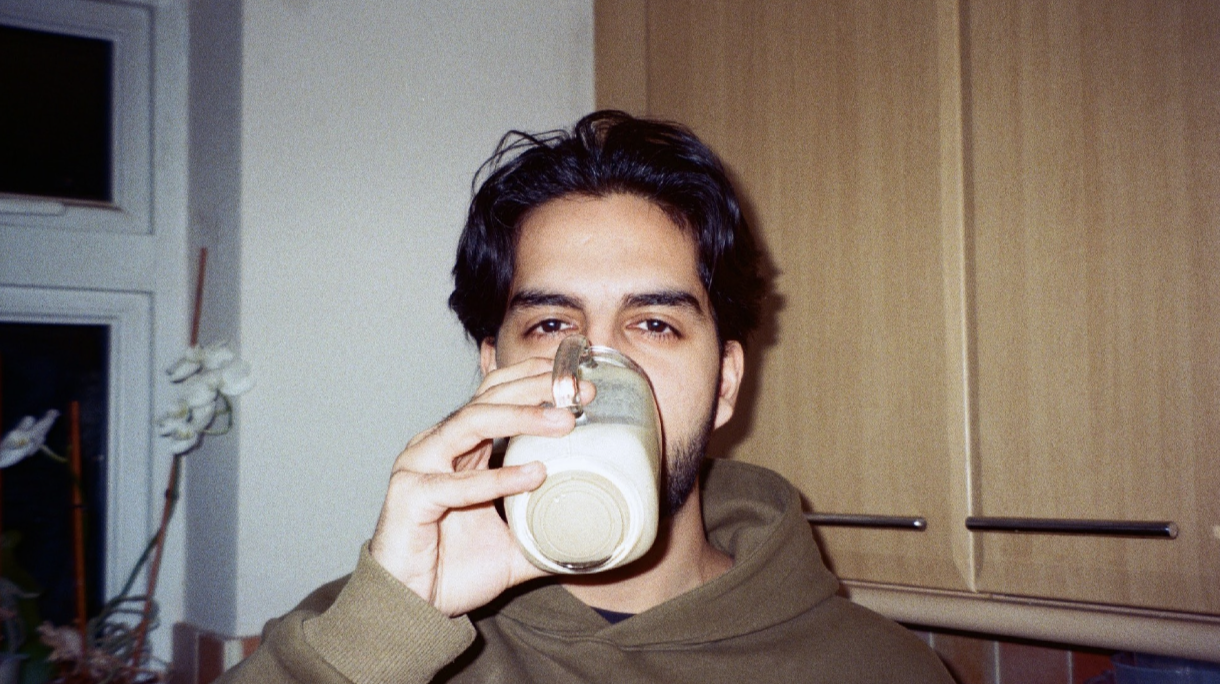
At Home in London
Self-Perception
Who told me who I was? And are they still the ones I listen to?
Self-perception is rarely self-authored. It is sedimented, layered by family, nation, race, class, migration, masculinity.
Before I raise my camera, the subject has already been seen a thousand times. By peers and teachers. By borders and institutions. By the state. Repeatedly critiqued by others and oneself.
This portrait series explores British-born men from diverse cultural backgrounds, photographed in their everyday environments, asking:
What happens if we subtract direction? How do we desire to be perceived?
The Gaze (Disrupted)
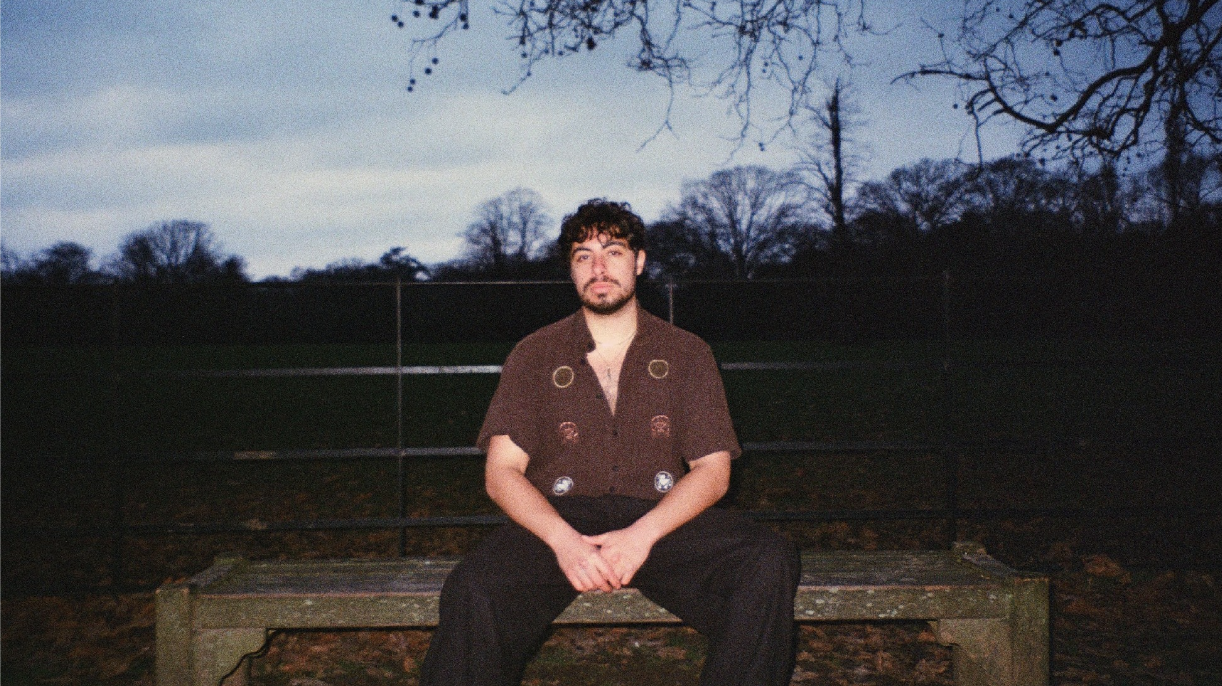
The concept of the male gaze, articulated by Laura Mulvey, describes a visual regime that positions the viewer as male, heterosexual, and dominant, with the subject as the object.
But Mulvey’s early framing of the male gaze assumed a universal spectator. Critical whiteness studies complicate this.
The ‘neutral’ gaze has historically been:
male
white
heterosexual
Western
If the gaze is historically white and masculine, what happens when men from racialised communities are framed not through historically constructed stereotypes - as threatening, hyper-athletic, labouring bodies, spectacles, or tokens - but as interior subjects?
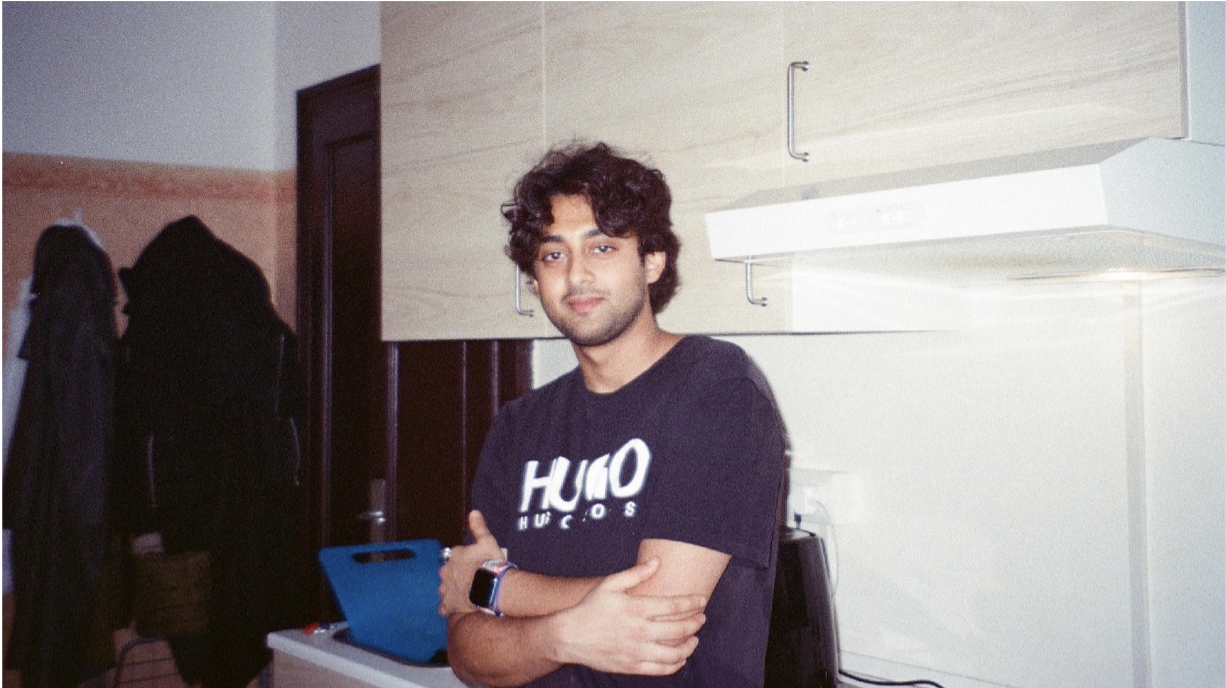
At Home in Milan
This series attempts a small disruption, exploring the ways in which the male gaze can subvert social conditioning, moving away from performing idealised versions of masculinity that is often attached to the dominant male narrative.
These subjects were required to choose a location they felt most comfortable, existing in their masculinity how they wish. A place they regularly inhabit, rather than a constructed setting, these spaces hold traces of routine, leisure, solitude, and most importantly, belonging. Bedrooms, gaming set ups, sports courts, home environments and natural landscapes are where masculinity is lived.
Comfort plays an important role here. When I focus my lens on the space the subject has chosen to occupy and recognise as their own, the pressure to adopt a particular posture of masculinity begins to reveal itself.
They claim their own agency and decide how they are available; open, neutral or sometimes even restrained.
Environment as Identity
It was intentional that the environment stayed visible, because it’s part of who they are. I wanted to capture how these spaces can act as an extension of the subject’s lived experiences.
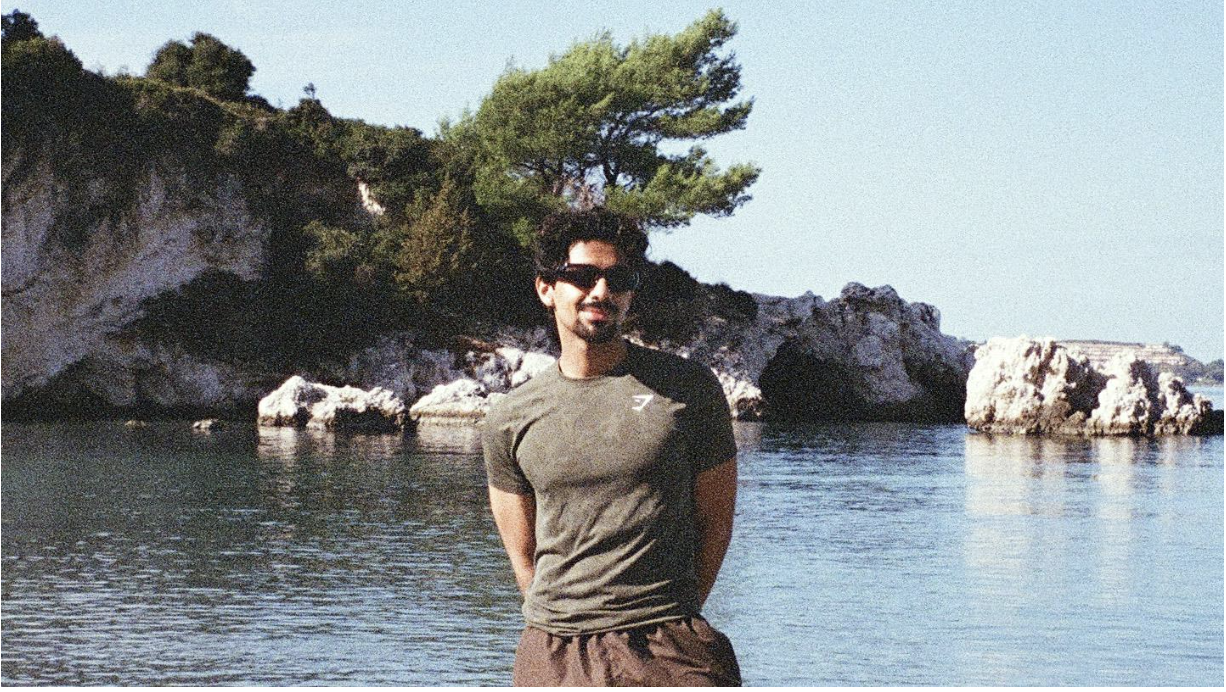
Kefalonia, Greece
Countering the Gaze Without Reversing It
This is not about replacing one dominant gaze with another but about attempting to remove the compulsion to perform.
In feminist discourse, countering the male gaze means countering self-objectification, body shame and reduced self-worth.
Here, the refusal operates differently.
Ethnic minority men are often hyper-visible as stereotypes and complexity is made invisible; to be seen without spectacle becomes radical.
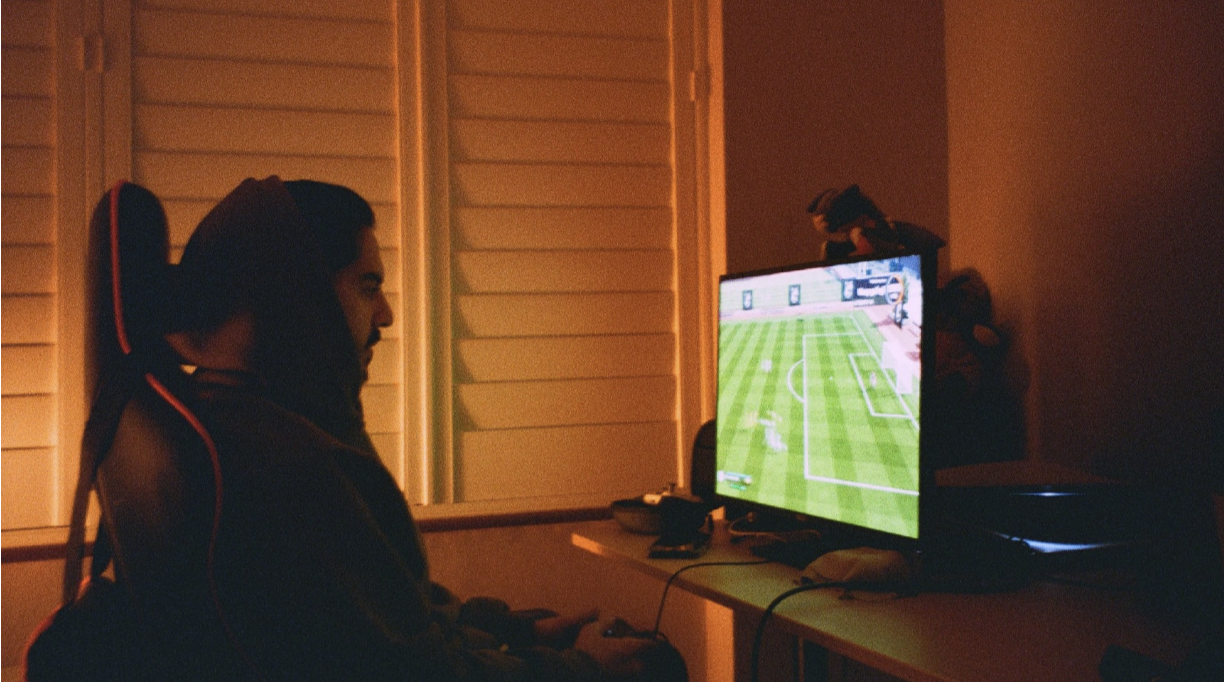
At home, gaming
The agency, in this project, is quiet.
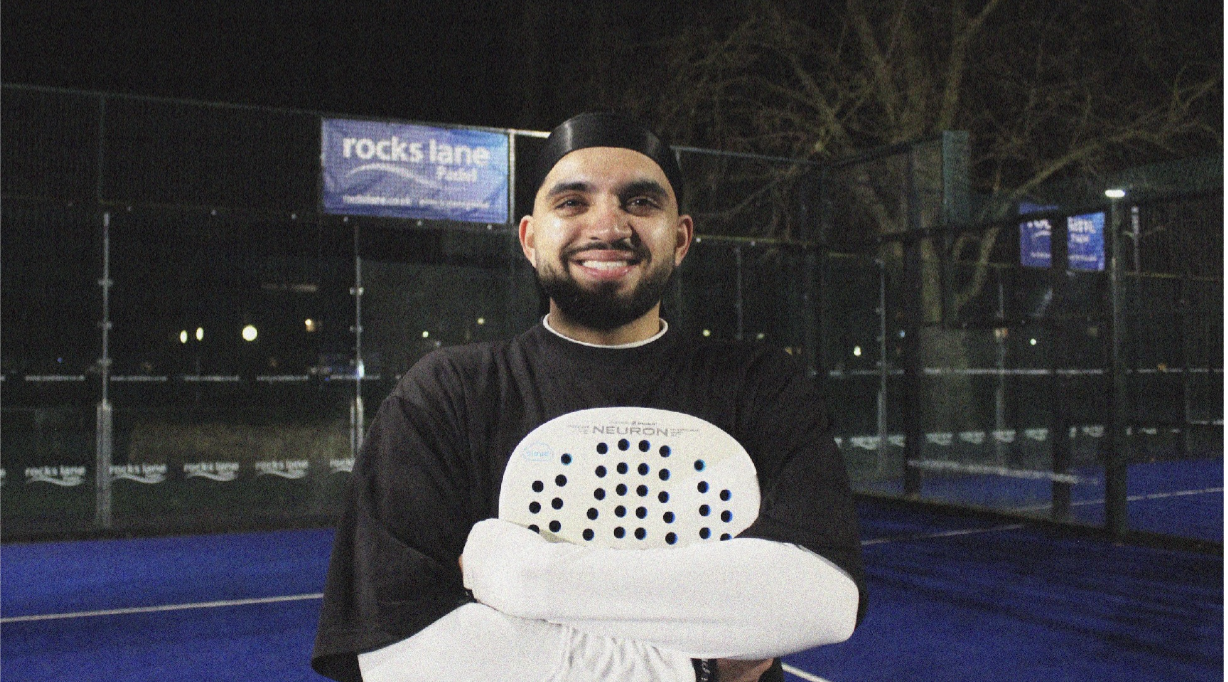
Rock Lane Padel Court
This series asks the viewer to question the inheritance of being perceived and to unlearn the borrowed lens. When the expectation to perform is reduced, the complexity of masculine narratives is observed more clearly.
Ethnic minority men in Britain are often positioned within limited frameworks of visibility. By photographing these men in spaces they have chosen themselves, the project offers a subtler form of representation. What emerges is not a fixed definition of masculinity but the possibility of self-presentation. The images do not intend to resolve the tension between how these men are perceived and how they perceive themselves. Instead, they remain within that space of negotiation.
In doing so, the work invites the viewer to reconsider assumptions embedded in the act of looking, and to recognise how perception itself is something inherited, learned but also capable of being unlearnt.
Shot on 35mm Kodak Ultra Max. Praktica ZOOM 900 AF.
Words and photography by Pheonix Hamilton Palmer.

Recipe